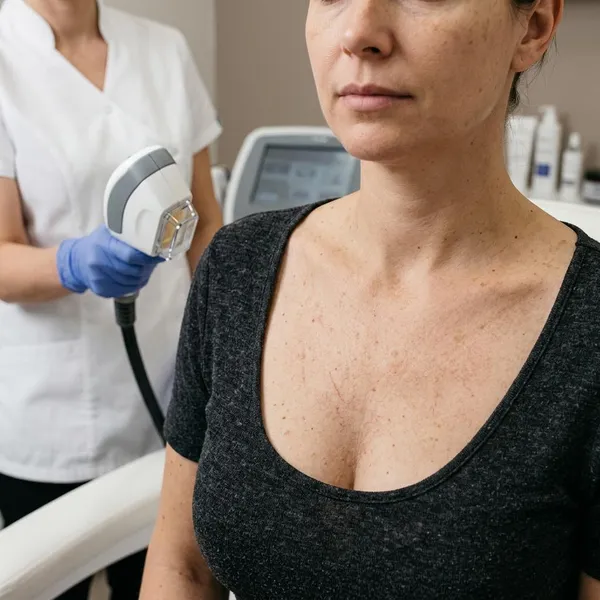
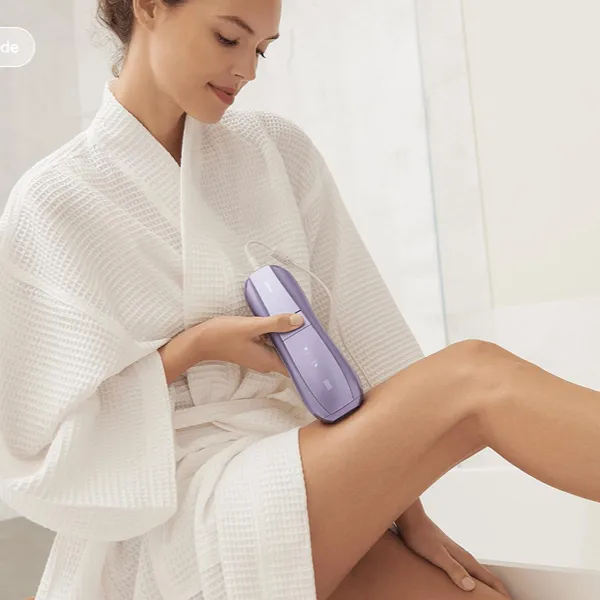
If your facial hair is soft, pale, and only visible in certain light, a peach fuzz ipl hair removal device is unlikely to do much. IPL needs pigment to target the hair, so it has a better chance on darker upper-lip, chin, or jawline hairs than on true peach fuzz. The first thing to check is not the device brand, but whether the hair itself is dark enough to absorb light.
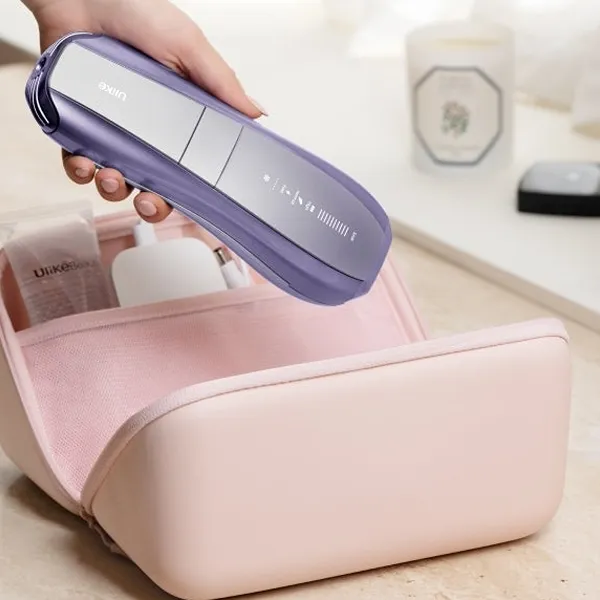
Does IPL work on peach fuzz?
IPL works best when there is a clear contrast between the hair pigment and the surrounding skin. True peach fuzz is usually very fine, soft vellus hair with little pigment, which makes it a weak target for light-based treatment.
Darker facial hair can respond to IPL
Darker facial hair has a better chance of responding because it absorbs more IPL energy. This is why a few visible hairs on the upper lip or chin may improve over time, while pale cheek fuzz barely changes.
For someone dealing with recurring dark hairs after shaving or tweezing, IPL may reduce regrowth gradually. Expect slower return or finer texture before expecting a completely hair-free result.
Fine peach fuzz often responds poorly
Fine peach fuzz is usually the wrong target for IPL. The device may flash correctly, and the skin may tolerate it, but the hair may still be too light and thin to absorb enough energy for visible reduction.
- Better short-term options: shaving, dermaplaning, threading, or waxing.
- Better IPL candidate: darker, more noticeable facial hair in approved areas.
- Common mistake: repeating IPL on pale fuzz for weeks and assuming the device is faulty.
Very light facial hair may not respond at all
Blonde, white, gray, and many red facial hairs often lack the pigment IPL needs. If the hair looks almost clear or blends into the skin, another removal method will usually be more practical than trying to force IPL to work.
What facial hair responds better to IPL?
The best facial candidates for IPL are hairs that are visibly darker, slightly coarser, and growing in a repeatable area. Location matters less than the actual strand color and texture.
| Facial hair type | IPL outlook | Practical choice |
|---|---|---|
| Pale cheek fuzz | Usually weak | Use shaving or dermaplaning if smoothness is the goal |
| Dark upper-lip hair | Often better | Consider IPL if the device approves the area |
| Coarse chin hairs | Often suitable | IPL may help reduce repeat maintenance |
| Light gray or white hairs | Usually poor | Choose a non-IPL method |
Darker upper-lip hair
Darker upper-lip hair is one of the more realistic facial IPL targets, especially when the hair is easy to see without magnifying mirrors or harsh lighting. It is also a common area where people want longer-lasting reduction rather than constant shaving.
The upper lip is sensitive, so this is a "careful use" zone rather than a place to rush. If the hair is pale and soft, the effort may not be worth it; if it is dark and keeps returning quickly, IPL is more reasonable to try.
Coarser chin hair
Coarser chin hair usually gives IPL a better target than peach fuzz. A small number of dark chin hairs can still be worth treating if they return in the same spots and your device allows facial use there.
Pigmented jawline hair
Pigmented jawline hair may respond when the strands are clearly brown or black. This is a different situation from soft side-of-face fuzz, even though both can sit close together.
For someone who shaves the jawline every few days because the same dark hairs keep coming back, IPL may be useful. For someone who only notices soft fuzz in bright sunlight, it is probably overkill.
Can Ulike IPL be used for facial hair?
Ulike IPL can be used on certain facial areas if your exact model approves them and your hair and skin tone fit the device guidance. The important distinction is that "safe to use on an approved area" does not automatically mean "effective on peach fuzz."
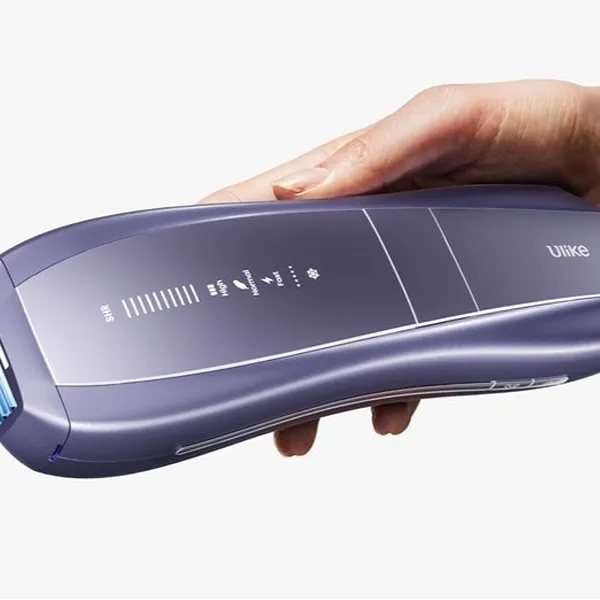
Ulike can target dark hair below the cheekbones
Dark hair below the cheekbones may be suitable if the manual for your specific Ulike model allows that area. This is usually more relevant for visible lower-face hair than for soft cheek fuzz.
- Worth considering: dark strands that show in normal lighting.
- Less promising: pale sideburn fuzz or barely visible cheek hair.
- Do not guess: stay within the facial zones listed for your model.
Ulike can be used on approved upper-lip areas
Ulike may be used on the upper lip only if that area is approved for your model. Keep the device positioned carefully, avoid the eye area, and do not overlap flashes just because the treatment window feels awkward near the nose.
Ulike can treat suitable chin and jawline hair
Suitable chin and jawline hair means dark, visible hair in an approved treatment area. Sparse dark hairs can still be reasonable targets, but gray, white, or very light hairs are unlikely to respond well.
Is IPL safe for peach fuzz on the face?
Facial IPL can be safe when used exactly as directed, but the face leaves less room for careless use than legs or arms. The main risks come from treating the wrong area, using a setting that is not suitable for your skin, flashing too close to the eyes, or continuing after irritation appears.
There is also a practical safety point: do not keep treating true peach fuzz just because the area is technically allowed. If the hair is too light to respond, repeated sessions only add irritation risk without much payoff.
Treat only device-approved facial areas
Use IPL only on the facial zones approved in your device manual. A nearby patch of skin may look similar, but manufacturer limits exist because eye proximity, skin sensitivity, and device positioning change across the face.
Keep IPL away from the eyes
Keep IPL away from the eyes and avoid the orbital area completely. When treating near the upper lip or lower cheeks, stop and reposition if the angle feels awkward instead of trying to "make it fit."
If your device includes eye-safety instructions or protective guidance, follow those instructions exactly. Convenience is not a good reason to take chances with facial IPL.
Patch test before full treatment
Patch test a small approved area before treating more skin. Wait for the amount of time recommended by your device instructions, then check for unusual redness, burning, swelling, or discomfort.
Stop if your skin reacts badly
Stop using IPL if you feel strong pain or notice lingering redness, swelling, blistering, or skin darkening. Mild temporary warmth can happen, but a reaction that feels wrong is not something to push through for faster results.
Conclusion
IPL is most sensible for facial hair that is dark enough to give the light a real target, not for soft pale fuzz that barely shows. If your concern is smoothness before makeup or removing light cheek fuzz, shaving or dermaplaning will usually be more predictable; if you are dealing with recurring dark upper-lip, chin, or jawline hairs, IPL may be worth trying carefully within the device rules.