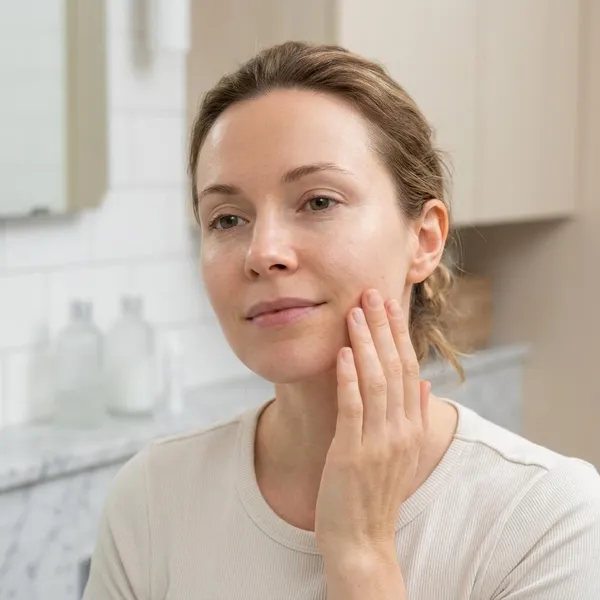
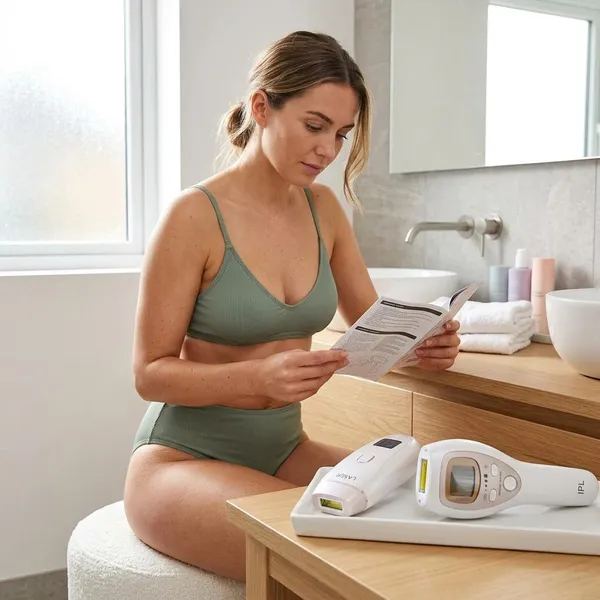
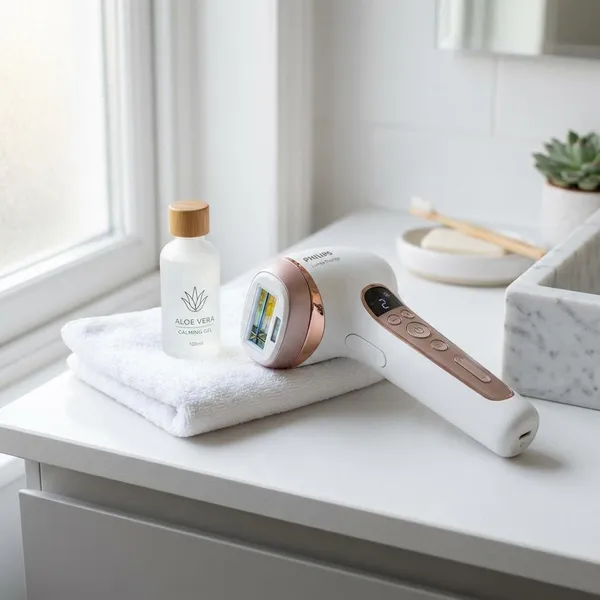
Most IPL hair removal side effects are mild and settle quickly, but a few are warning signs rather than "normal irritation." Redness, warmth, slight itching, and tiny bumps around follicles can be expected after treatment. Blisters, severe pain, spreading redness, pus, open skin, pigment changes, or any eye symptoms are reasons to stop using the device and get medical advice.
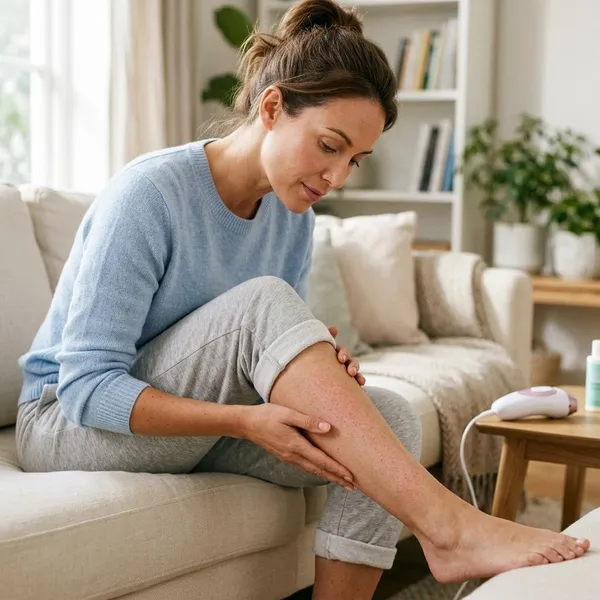
What mild reactions can happen after IPL?
Mild reactions usually appear soon after a session and should improve steadily. The skin may feel warm because IPL uses light energy that turns into heat around the hair follicle. That heat can briefly irritate nearby skin, especially in areas with coarse hair or more friction.
Brief redness and warmth
A little redness and warmth are among the most common reactions after IPL. It can look like a mild flush or feel similar to light sun sensitivity, especially on the underarms, bikini line, or upper lip.
Mild itching or tenderness
Itching or tenderness can happen when the skin barrier is slightly irritated, particularly if the area was shaved recently or tends to be dry. Keep skincare bland and avoid scratching, because scratching can turn a mild reaction into broken or inflamed skin.
For a low-risk situation, such as treating your lower legs with an approved device setting, mild tenderness that fades by the next day is usually not alarming. For a higher-friction area, such as the bikini line under tight underwear, give the skin more space to settle before judging the reaction.
Small bumps around hair follicles
Tiny raised bumps centered around hair follicles can be a normal short-term response. They often look like goosebumps or small dots around treated hairs and may be more noticeable where the hair is coarse.
- Leave them alone; do not pick or squeeze.
- Use gentle cleansing and a light, fragrance-free moisturizer.
- Stop treatment if the bumps become painful, crusted, warm, or start oozing.
Which IPL reactions need medical attention?
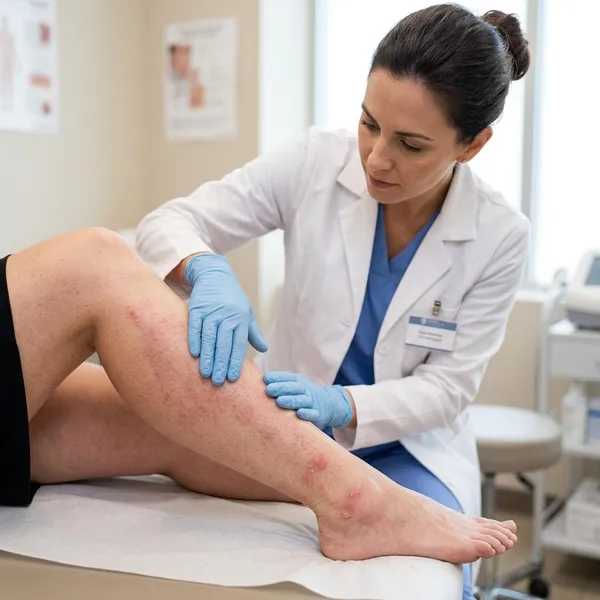
Some reactions are not worth managing with home aftercare alone. The clearest warning signs are blistering, burn-like pain, worsening redness, open sores, pus, spreading swelling, skin color changes, and anything involving the eyes.
Timing matters too. Normal irritation usually peaks early and then fades. A reaction that looks angrier after 24 to 48 hours, spreads beyond the treatment pattern, or makes normal clothing painful to wear deserves more caution.
Blisters, burns, or severe pain
Blisters, burns, or strong ongoing pain are not normal IPL reactions. They can mean the skin absorbed too much heat, often from a setting that was too high, repeated flashes on the same spot, recent tanning, or use on skin outside the device's supported range.
Stop treatment immediately. Cool the area gently, do not pop blisters, and avoid strong creams unless a clinician recommends them. If the skin is broken, charred-looking, very painful, or rapidly worsening, seek medical care promptly.
Worsening or persistent redness
Redness should move in the direction of calming down. If it becomes hotter, tighter, more swollen, or more painful over the next day or two, it may be more than routine irritation.
Darker or lighter skin patches
Color changes after IPL can show up as darker patches or lighter patches once the first redness fades. They are not always permanent, but they can last for weeks or months and may worsen with sun exposure.
Be more careful if the treated area is visible year-round, such as the face, neck, or arms. Pausing IPL, protecting the area from UV, and asking a qualified professional for advice is safer than trying to "fix" the color quickly with harsh exfoliants or active skincare.
Pus, spreading swelling, or open sores
Pus, yellow drainage, open sores, unpleasant odor, fever, or swelling that spreads beyond the treated area can point to infection or a more significant skin injury. This is not the stage for another IPL session or stronger home remedies.
Areas exposed to sweat and friction, such as underarms or the bikini line, can become irritated quickly once the skin barrier is broken. Keep the area clean, avoid rubbing, and get medical advice rather than waiting for it to "dry out."
Eye pain or vision changes
Eye pain, blurred vision, light sensitivity, unusual watering, or aching behind the eye after IPL needs urgent attention. Facial skin may look fine even when the eye has been exposed to unsafe light or reflected flashes.
Do not use IPL near the eyes unless the device specifically allows that use and proper protection is in place. Eyelids, eyebrows, and areas too close to the orbital region are common no-go zones for home devices.
What raises the risk of IPL side effects?
Most avoidable IPL problems happen when the device, setting, skin condition, or treatment area is not a good match. The first things to check are your current skin tone, recent sun exposure, medications or active skincare, and whether the area is approved in the manual.
Skin outside the device's supported range
IPL devices are tested for specific skin tones and hair colors. If your skin is darker than the supported range, more light may be absorbed by the skin instead of mainly by the hair follicle, which raises the risk of burns and pigment changes.
A skin-tone sensor is useful, but it is not a guarantee. Recheck your skin tone if you have been in the sun, used self-tanner, or naturally darken in warmer months. Very light blonde, red, gray, or white hair may also respond poorly, which can tempt people to overuse higher settings without getting better results.
Recent tanning or sunburn
Recent tanning is one of the easiest risk factors to underestimate. Tanned skin has more active pigment, and sunburned skin is already inflamed, so the same IPL setting can feel much harsher and heal less predictably.
Light-sensitive medications or skin conditions
Some medications and topical products can make skin more reactive to light. Certain antibiotics, prescription acne treatments, retinoids, and some herbal products may increase photosensitivity, so it is worth checking with a clinician or pharmacist if you are unsure.
Active eczema, psoriasis flares, irritated acne, broken skin, fresh rashes, or a history of unusual scarring can also change the risk. Someone who uses IPL comfortably most of the year may still need to pause during a flare or after starting a new active skincare routine.
High settings or repeated flashes on one spot
More power does not automatically mean better hair reduction. It can simply mean more heat in the skin. Repeating flashes over the same patch, overlapping too much, or trying to "catch a missed spot" immediately can create hot spots and burns.
Curved areas such as knees, ankles, the jawline, and the bikini edge are common places for technique mistakes because contact can be uneven. Work slowly, follow the recommended overlap, and stop if one spot feels sharply painful instead of just briefly warm.
Treating tattoos, dark moles, or damaged skin
Tattoos, very dark moles, and damaged skin should not be treated with IPL unless a qualified professional has specifically advised that it is safe. Dark pigment can absorb light strongly, causing rapid overheating and injury.
How can you prevent IPL side effects?
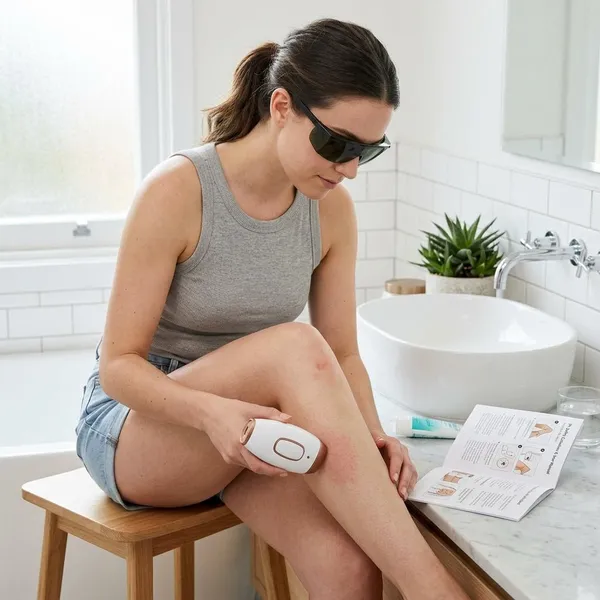
The safest approach is to prevent irritation before the first flash, not just soothe it afterward. Start with suitability, then patch test, then use the lowest appropriate setting and only treat approved areas.
Check skin suitability and device warnings
Before each session, check the device's supported skin-tone chart, hair-color guidance, approved body areas, and warnings for tattoos, moles, medications, pregnancy, skin conditions, and eye safety. Do this based on your skin today, not how it looked months ago.
This matters for seasonal users. A setting that seemed fine during winter may not be sensible after a beach trip, a tanning product, or several weekends outdoors. If something has changed, pause and reassess before treating a large area.
Test a small area as directed
Patch testing is not only for first-time users. Treat a small, less visible area at the recommended setting and wait the full time advised by the device instructions before doing the full area.
It is especially useful when moving from a low-risk area, such as the lower legs, to a more reactive area, such as the bikini line or upper lip. A small test gives you a chance to catch unusual redness, tenderness, or color change before it affects a larger patch of skin.
Follow the settings and treatment schedule
Use the recommended setting for your current skin tone and follow the spacing in the manual. Hair reduction takes time because hairs are not all in the same growth phase, so extra sessions close together usually add irritation faster than results.
- Shave the approved area as directed so surface hair does not overheat.
- Start with clean, dry skin free of perfume, self-tanner, heavy creams, or active skincare.
- Flash each spot only as instructed, working methodically to avoid repeated pulses.
- Stop if pain feels sharp, intense, or different from the usual brief snap of heat.
Use only on approved areas
Approved areas are not interchangeable. A device may allow use on the bikini line but not on genital skin, or allow some facial areas but not near the eyes or eyebrows.
Follow aftercare and sun-protection advice
After treatment, keep the area cool, clean, and calm. Use a gentle moisturizer if needed, avoid scrubs, acids, retinoids, scented products, hot baths, saunas, and heavy friction while the skin settles.
Sun protection is one of the most important aftercare steps for exposed areas. Even skin that looks nearly normal can be more reactive after IPL, and UV exposure may make pigment changes more noticeable or longer lasting.
Conclusion
IPL is usually manageable when your skin, device, setting, and treatment area are a safe match. Treat mild redness or bumps as a sign to be gentle for a day or two, but do not push through burns, spreading symptoms, pigment changes, broken skin, or eye complaints. If the reaction is getting worse instead of settling, stopping early is the safer decision.