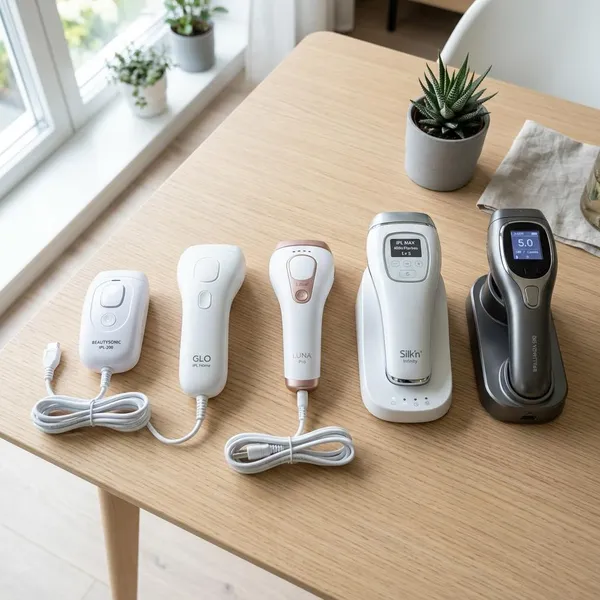
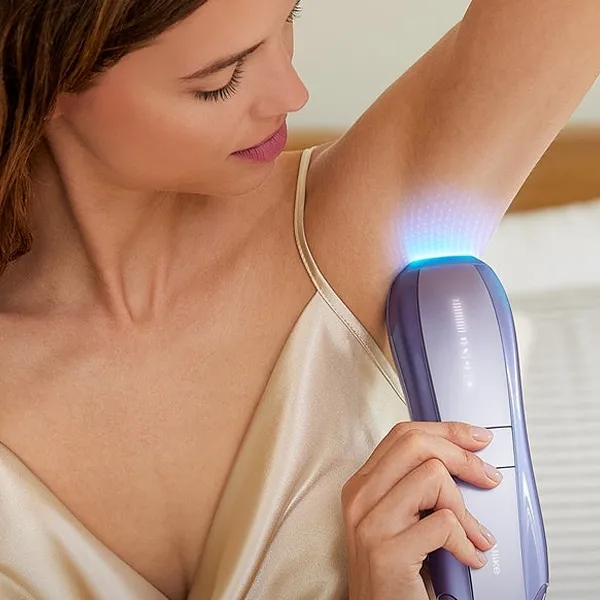
The best choice among at home hair removal methods depends less on what is "best" overall and more on what you need right now: quick smoothness, fewer bumps, less pain, or slower regrowth over time. For a same-day result, shaving, facial razors, and depilatory creams are the easiest options. If you want longer-term reduction and your hair and skin tone are suitable, at-home IPL is the method worth comparing more seriously.
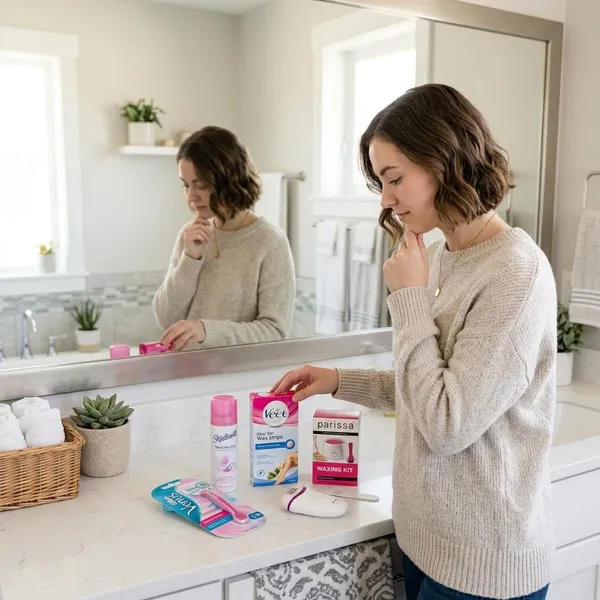
Best Short-Term Hair Removal Methods
Short-term methods make the most sense when you want visible hair gone today. They are also easier to test on one small area before committing to a bigger routine or a more expensive device.
If you only remove hair before holidays, swimming, or special outfits, quick methods may be enough. If you are removing hair every few days and getting irritation each time, it may be time to rethink the method rather than just buying another razor or cream.
Shaving for quick body hair removal
Shaving is the fastest body hair option for legs, underarms, and larger areas because it removes visible hair at the surface. The trade-off is upkeep: stubble often feels noticeable within a few days, especially on coarse hair.
- Best for: quick results, low cost, large areas, last-minute plans.
- Watch out for: dull blades, repeated passes, shaving dry skin, and tight clothing afterward.
- Try first: warm water, shave gel, light pressure, and a fresh blade.
Facial razors for easy facial touch-ups
Small facial razors are useful for peach fuzz, the upper lip, chin, and small touch-ups because they are easier to control than a body razor. Use light pressure on calm skin, and avoid active breakouts, sunburn, or skin that feels raw from strong exfoliants or retinoids.
Depilatory creams for blade-free removal
Depilatory creams dissolve hair so it can be wiped away, which can be helpful if razors often leave nicks or razor burn. They may feel smoother than shaving for a little longer, but they are not a long-lasting method like waxing, epilating, or IPL.
- Use the right formula: face, body, underarm, and bikini products are not always interchangeable.
- Patch test first: especially if your skin is sensitive or you have not used that product before.
- Respect the timer: leaving cream on longer can cause stinging, redness, or burns.
Depilatory creams are not ideal on broken skin, sunburn, eczema flare-ups, or freshly irritated areas. If the skin already feels compromised, waiting is usually the safer choice.
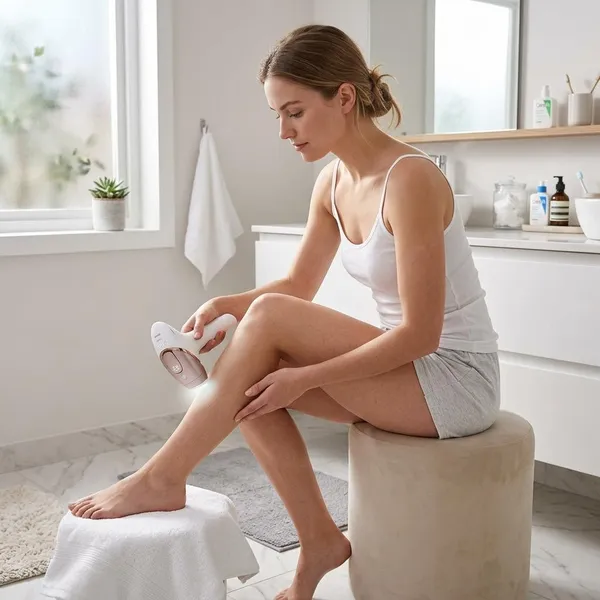
What to Expect from At-Home IPL
At-home IPL is not a same-day hair removal method. It uses light to target pigment in the hair and is meant to reduce regrowth gradually, so it suits people who are willing to follow a routine for weeks rather than people who need smooth skin tonight.
The first thing to check is compatibility. IPL generally works best when there is enough contrast between the hair and skin, such as darker hair on lighter to medium skin tones. If your hair is very light, gray, white, or red, results may be limited because there may not be enough pigment for the device to target.
Gradual hair reduction
IPL usually shows up as slower, finer, or patchier regrowth rather than instant smoothness. Underarms and lower legs are common starter areas because the hair is often easier to see and track, while fine arm or facial hair may be harder to judge.
If you want a useful test, choose one area and take note of how often you need to shave before and after several sessions. That gives you a clearer answer than checking the skin every day and expecting immediate change.
Repeat treatment sessions
Consistency matters more than intensity. Many devices recommend weekly or biweekly sessions at first, then less frequent maintenance, but the exact schedule should follow the device instructions.
- Start small: treat one or two areas before trying full-body sessions.
- Use a calendar reminder: skipped sessions make progress harder to judge.
- Do not rush results: hair grows in cycles, so one session cannot treat every hair equally.
Hair and skin tone limits
IPL is not the right fit for every person. Very light hair often responds poorly, and deeper skin tones need extra care because some devices may increase the risk of irritation or discoloration if they are not designed for that skin tone.
Before buying or using a device, check the brand's skin tone and hair color chart, then do any recommended test spot. If you fall near the edge of the chart, it is better to be cautious than to assume a higher setting will give better results.
Maintenance over time
Good IPL results usually still need occasional maintenance. That does not mean the method failed; it means the goal is long-term reduction, not a guaranteed permanent stop to all regrowth.
For someone who hates shaving every few days, maintenance sessions may feel like a worthwhile trade. For someone who only removes hair in summer or before a vacation, the upfront cost and routine may be more effort than needed.
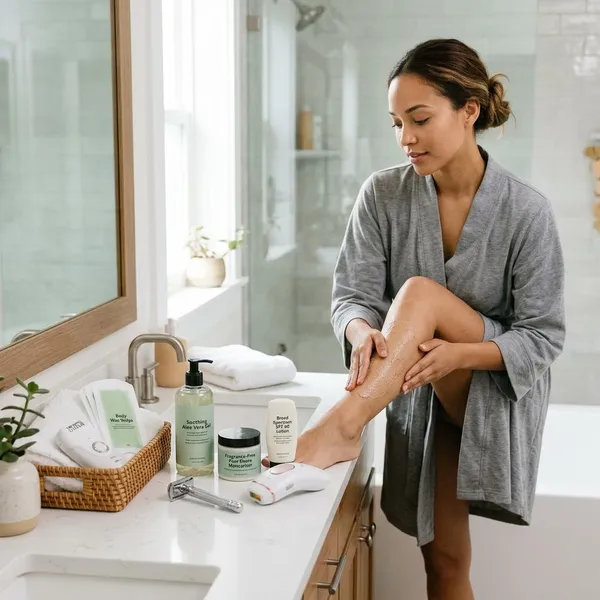
Prep and Aftercare for At-Home Hair Removal
Prep and aftercare often decide whether hair removal feels easy or irritating. The basics are simple: start with clean skin, use the method correctly, and give the area a short recovery window afterward.
Start with clean skin
Clean skin helps razors glide, creams apply evenly, wax grip properly, and IPL devices work without extra residue in the way. Remove deodorant, sunscreen, makeup, body oil, and sweat before treating the area.
Match the skin condition to the method: shaving usually works better with warm water and slip, while waxing, sugaring, and epilating need clean, dry skin so the hair can be gripped properly.
Patch test when needed
Patch testing is worth doing for depilatory creams, wax products, sugaring formulas, bleach, and IPL devices, especially if you have reactive skin. Test a small area first and wait the amount of time recommended by the product or device before treating a larger area.
Follow method-specific prep
Each method has its own "do this first" rule. Shave before IPL if your device says to, because surface hair can make treatment less comfortable. Let hair grow enough for wax, sugar, or an epilator to grip, but avoid waiting until it is so long that removal becomes unnecessarily painful.
- Shaving: soften hair first and avoid dry shaving.
- Waxing or sugaring: keep skin dry and avoid retinoid-treated or sunburned areas.
- Epilating: start on a less sensitive area if you are new to the device.
- IPL: follow the device schedule and compatibility guidance.
Soothe skin after treatment
Freshly treated skin usually needs less product, not more. A fragrance-free moisturizer, a gentle soothing gel, or a cool compress is often enough after shaving, waxing, epilating, or IPL.
If you are prone to ingrown hairs, wait until redness has calmed before using gentle exfoliation. Scrubbing immediately after hair removal can make bumps and irritation worse.
Avoid irritating freshly treated skin
Give the area a short break from heat, friction, sweat, direct sun, strong acids, and heavily scented products. A simple example: after bikini-line shaving or waxing, loose underwear and breathable clothing are usually a better choice than tight leggings for the rest of the day.
If you keep reacting after every session, change only one thing at a time: blade, cream, timing, clothing, or aftercare. That makes it much easier to find the real trigger instead of blaming every method at once.
Conclusion
Choose the method that matches your real routine, not the one that sounds best on paper. Shaving, facial razors, and creams are better for quick or occasional use, while IPL makes more sense when you want slower regrowth and are willing to stay consistent. If your skin reacts easily, start with the gentlest small-area test first; comfort and safety matter more than getting the longest possible result.