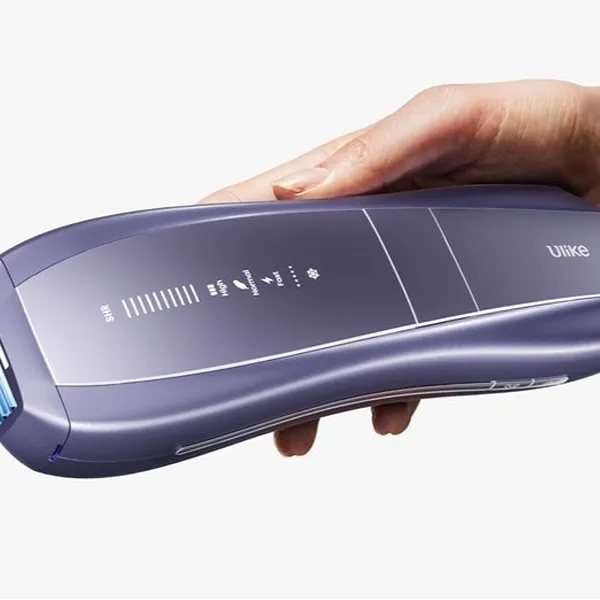
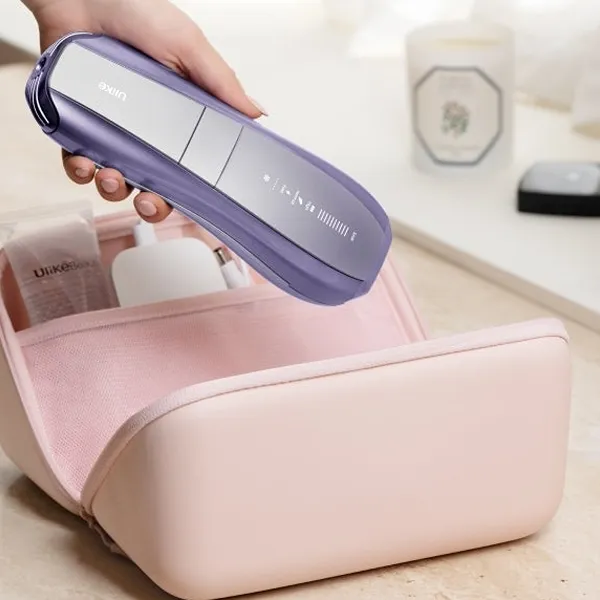
Ulike Air 10 can be safe for at-home IPL if your skin tone, hair color, and treatment area are suitable, but it is not a device to use casually anywhere on the body. The first things to check are your current skin tone, recent sun exposure, hair color, and whether the skin is calm and unbroken.
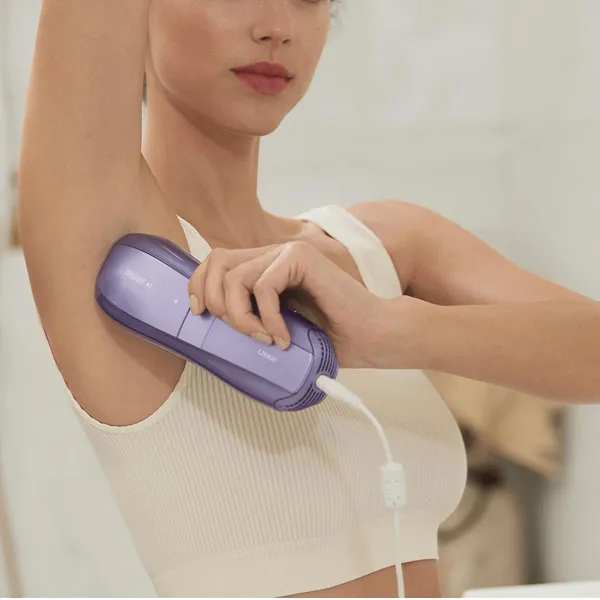
Is Ulike Air 10 safe to use at home?
For many people, yes. Ulike Air 10 is made for home IPL hair removal and includes features that help reduce common risks, but safe use still depends on matching the device to the right skin and hair type. If your skin is too dark, freshly tanned, sunburned, irritated, or covered with tattoos or dark marks in the treatment area, it is not a good time or place to use IPL.
It is designed for at-home IPL hair removal
Ulike Air 10 is intended for non-clinic hair reduction, so it is built around simpler controls and protective checks rather than professional operator settings. That makes it more approachable for regular use on areas such as legs, arms, and underarms.
IPL works by sending light toward pigment in the hair. Darker hair on lighter-to-medium skin is usually the easier match, while very light hair or very dark skin can make treatment less suitable, less effective, or riskier.
Correct use is essential for safety
The device features matter, but technique matters just as much. The safest routine is boring in a good way: check compatibility, shave first, start with clean dry skin, wear the goggles, and stop if your skin reacts unusually.
Skin tone affects IPL suitability
Skin tone is one of the biggest safety checks because IPL is attracted to pigment. If the skin surface absorbs too much light, the risk of heat, discomfort, or burns goes up.
Hair color affects IPL effectiveness
IPL usually works best on dark blonde, brown, or black hair because there is more pigment for the light to target. Red, white, gray, and very pale blonde hair often respond poorly.
This is where safety and expectations overlap. If the hair is not a good IPL target, using the device more often or at a higher level is unlikely to solve the problem and may only irritate the skin.
What safety features does Ulike Air 10 have?
Ulike Air 10 includes SkinSensor-based skin-tone detection and automatic power adjustment in Fast, Normal, and High modes, along with contact detection and Sapphire Ice Cooling. In these sensor-enabled modes, the device can stop flashing if the detected skin tone is too dark. SHR mode does not include skin-color detection, so users still need to follow the skin-tone and treatment-area restrictions manually. These are helpful guardrails for home use, but they work best when you already avoid risky skin, risky areas, and overuse.
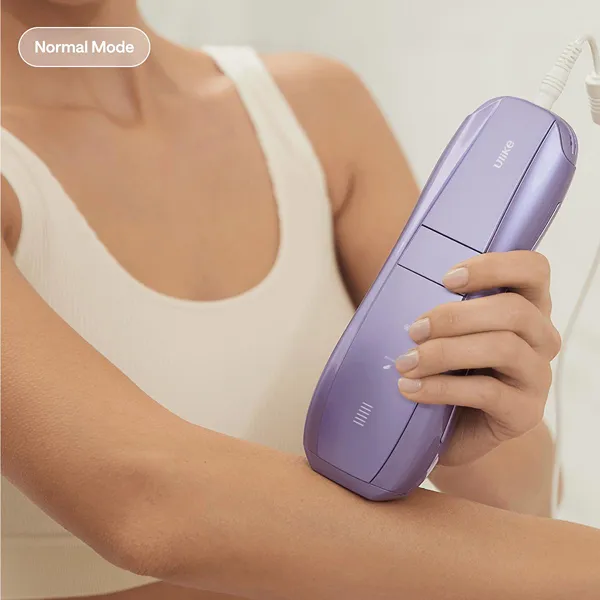
SkinSensor detects skin tone
In Fast, Normal, and High modes, SkinSensor detects skin tone and adjusts treatment power accordingly. If the detected skin tone is too dark, the device can prevent flashing. This skin-color detection function is not available in SHR mode.
The SkinSensor checks the treatment area so the device can assess whether the skin tone appears suitable for IPL. This is useful because body tone is not perfectly even; underarms, bikini edges, tan lines, and naturally darker patches may read differently from your arms or legs.
Automatic energy adjustment adapts each flash
Automatic energy adjustment allows SkinSensor to adapt treatment power according to the detected skin tone rather than using the same output regardless of pigmentation. This can be useful when moving across body areas where skin tone varies, but it does not detect how sensitive a body area feels.This automatic skin-tone adjustment is not available in SHR mode.
It should not be treated as permission to ignore the manual. If an area is tanned, sore, tattooed, or outside the recommended skin range, automatic adjustment is not a workaround.
SkinSensor stops flashing on areas that are too dark
If the sensor detects skin that is too dark for the device's safe operating range, it is designed to prevent flashing. This is especially important on unevenly pigmented areas where a user might not notice the difference at first glance.
Sapphire Ice Cooling keeps the contact area cool
Sapphire Ice Cooling helps reduce the hot, snappy feeling that IPL can create on the skin surface. For sensitive but suitable areas, such as the underarms or bikini line, that can make a careful session more tolerable.
Contact sensor requires full skin contact before flashing
The contact sensor helps prevent flashes unless the treatment window is properly placed against the skin. That lowers the chance of accidental flashes into open air and also encourages steadier positioning.
How to use Ulike Air 10 safely
The safest approach is to treat IPL like a repeatable routine, not a beauty shortcut. Check first, prepare the skin, test a small area, protect your eyes, and give your skin time to respond before doing more.
Check your skin tone and hair color
Start here before every new treatment cycle. Compare your current skin tone and hair color with the brand's compatibility guidance, especially if you have tanned, used self-tanner, changed medication, or are treating a new body area.
Shave hair longer than 2 mm before treatment
Hair longer than about 2 mm should be shaved before treatment so the flash is not wasted heating hair above the skin. Shaving keeps the follicle in place while removing surface hair, which is why it is preferred over waxing, tweezing, or epilating right before IPL.
Start with clean dry skin
Use the device on skin that is clean, dry, and free from deodorant, lotion, sunscreen, body oil, makeup, or fragrance. Product residue can make treatment less predictable, especially on underarms, legs after moisturizing, or facial areas with skincare left behind.
If shaving leaves the area red or bumpy, wait. Calm skin is a better treatment surface than freshly irritated skin.
Patch test before full treatment
A patch test is worth doing when you are new to the device, treating a sensitive area, or returning after a break. Treat a small area first, then wait and check for stronger-than-normal redness, swelling, pain, or lingering sensitivity.
Wear the included IPL goggles
Wear the included IPL goggles during treatment, even when treating areas far from the face. The flash is bright, and repeated unprotected exposure is not worth the risk.
This becomes even more important for upper lip, chin, or jawline use because the light is closer to your eyes. Treat in a quiet space where no one else is looking at the flashes.
Stop if unusual irritation develops
Mild warmth or short-lived pinkness can happen, but pain, blistering, strong swelling, or irritation that worsens is a stop sign. Do not finish the area just because you started it.
Where can you use Ulike Air 10?
Ulike Air 10 can be used on several common hair-removal areas when the skin and hair are suitable, but the "where" matters as much as the "how." Larger, visible areas are usually easier for beginners; delicate, pigmented, or hard-to-see areas require more caution.
Legs, arms, and underarms
Legs and arms are often the easiest places to start because the skin is visible and easier to cover in a steady pattern. Underarms are also common, but they can feel more sensitive and may need a gentler start.
If you are new to IPL, legs are usually a more forgiving first area than the bikini line or face. You can see what you are doing, avoid marks more easily, and learn how your skin responds.
Bikini and Brazilian areas around the genitals
The outer bikini area can be treated carefully if it matches the device instructions, but internal genital areas and mucosal tissue should be avoided. This is not a place to experiment with high intensity or heavy overlap.
Facial areas below the cheekbones
Facial use is generally limited to areas below the cheekbones, such as the upper lip, chin, or jawline, depending on the product instructions. Do not use IPL around the eyes, eyelids, or brows.
Facial hair can be influenced by hormones, so results may be slower or less predictable than on legs or underarms. That is not automatically unsafe, but it is a reason to be patient rather than increase use too aggressively.
Chest and back
The chest and back may be suitable for some users, especially when there is darker hair and compatible skin. The main challenge is coverage: large areas make it easier to miss spots or overlap the same patch too many times.
For the back, help from another person may be safer than twisting and guessing. The person helping should also avoid looking at flashes directly and should follow the same contact, skin-check, and goggle rules.
Avoid tattoos, moles, birthmarks, and broken skin
Skip tattoos, dark moles, birthmarks, cuts, scabs, rashes, peeling skin, sunburn, and active irritation. Pigmented marks can absorb IPL energy unpredictably, and damaged skin is already under stress.
- Before treating: scan the area in good light.
- During treatment: work around marks instead of flashing over them.
- If unsure: leave the spot untreated rather than testing it.
Who should be more cautious with Ulike Air 10?
Some people should slow down, check the instructions more carefully, or avoid at-home IPL unless a healthcare professional says it is appropriate. The device may be safe for one person and unsuitable for another, even if they want to treat the same body area.
People with very dark skin
Very dark skin needs extra caution because IPL light can be absorbed by pigment in the skin surface, not just the hair. If your skin tone is outside the official compatibility range, the safer choice is not to use the device on that area.
People with recently sunburned skin
Sunburned skin should not be treated. It is already inflamed, and adding heat and light can make pain, redness, peeling, or sensitivity worse.
Recent tanning deserves the same caution, even without a visible burn. If your skin is darker than usual from sun, tanning beds, or self-tanner, wait until it returns to its normal tone and check compatibility again.
People with irritated or damaged skin
Razor burn, eczema flares, cuts, rashes, acne inflammation, peeling, or broken skin are good reasons to postpone treatment. IPL belongs on calm, intact skin.
This is especially important for daily shavers or anyone treating underarms and the bikini line. If the area is often irritated, improve the shaving routine first rather than layering IPL on top of damaged skin.
People with photosensitivity or certain skin conditions
People with photosensitivity, light-reactive skin conditions, or medications that increase light sensitivity should be cautious and ask a healthcare professional before using IPL. Some acne medications, antibiotics, autoimmune conditions, pigment disorders, or past unusual light reactions may change what is safe for you.
Conclusion
Ulike Air 10 is a reasonable at-home IPL option for compatible users, but the safest decision starts before the first flash: check your skin tone today, make sure your hair color is likely to respond, avoid damaged or recently tanned skin, and treat only approved areas. If any of those checks feel uncertain, waiting or choosing a different hair-removal method is the better call.