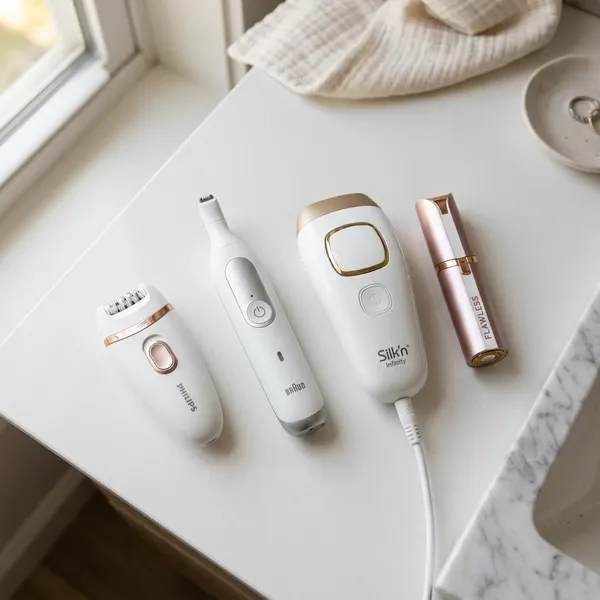
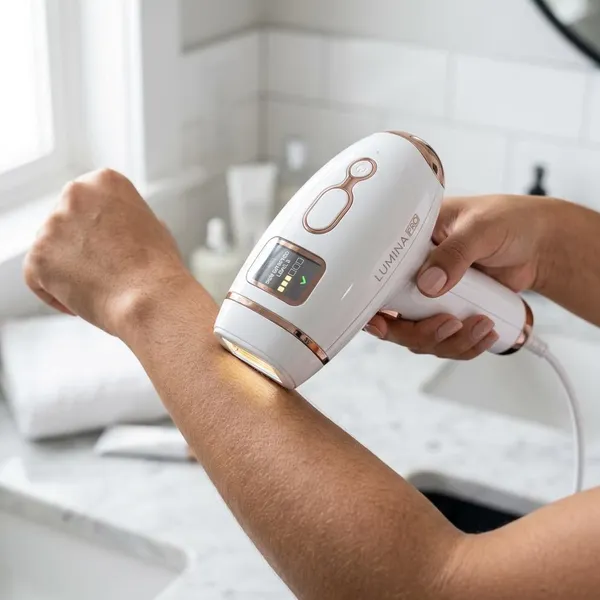
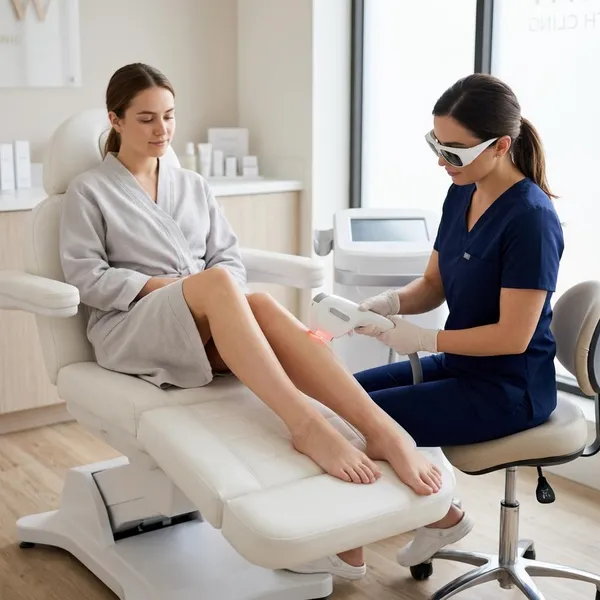
If you are asking how long to see results from IPL hair removal device use, expect small changes before dramatic ones: many people notice slower regrowth after 3 to 4 consistent sessions, while clearer reduction often takes around 8 to 12 weeks. The first thing to check is not whether every hair has disappeared, but whether shaving lasts longer, stubble feels softer, and regrowth looks less even. If none of those signs appear after a full initial course, it is time to reassess your hair color, skin compatibility, settings, and technique.
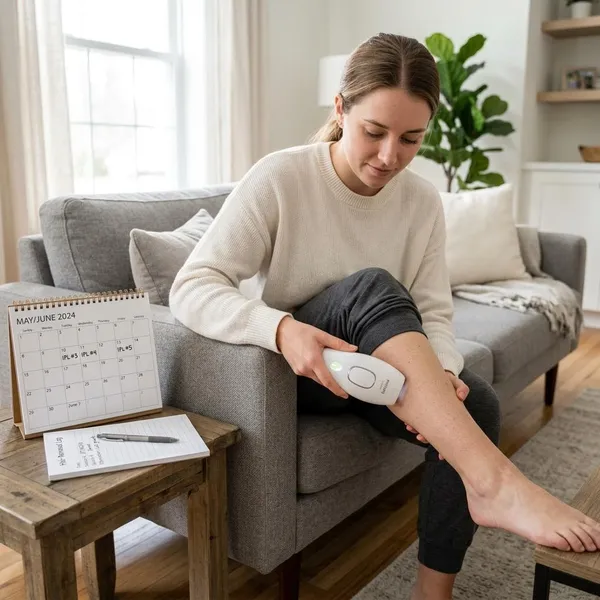
What does IPL progress look like?
IPL progress is usually gradual and a little uneven at first. That can feel disappointing if you expected smooth skin after one or two uses, but it is normal because only hairs in the right growth phase respond well during each session.
Hair grows back more slowly
Slower regrowth is often the first sign worth trusting. You may still see hair, but it takes longer to return after shaving. For example, if your underarms normally feel rough the next morning and now stay smooth for several days, that is a stronger signal than staring at the area every day looking for bare patches.
Regrowth becomes finer and patchier
Patchy regrowth can actually be a good sign. It usually means some follicles are responding while others still need more treatment cycles.
- Finer hair: regrowth feels softer and less sharp after shaving.
- Patchier areas: some spots thin faster than others instead of clearing evenly.
- Less dense growth: the area may still have hair, but it looks easier to manage.
Shaving becomes less frequent
Needing to shave less often is one of the clearest real-life signs of progress. A person who shaved their legs every two days and can now wait most of a week has already gained a meaningful result, even if the area is not completely hair-free.
This is a better measure than counting individual hairs. IPL is usually about long-term reduction and easier maintenance, not an instant switch from full growth to perfect smoothness.
What affects how fast IPL works?
The biggest factors are hair color, skin tone compatibility, treatment area, hormones, and consistency. If you want the shortest realistic timeline, check those in that order: hair and skin compatibility first, then whether your routine is accurate enough to give the device a fair chance.
Hair color and thickness
Dark, coarse hair usually responds fastest because IPL targets pigment in the hair. Blonde, red, gray, white, or very fine hair may respond poorly or not at all, depending on the device and the person.
This is the first reality check if IPL seems slow. If your hair does not contain enough pigment for the light to target, using the device more often will not necessarily fix the problem and may only irritate your skin.
Skin tone and IPL compatibility
Skin tone affects both safety and results. At-home IPL usually works best when there is enough contrast between the hair and the surrounding skin, but every device has its own compatibility range.
- Check the chart in the manual: do this before increasing intensity.
- Use the skin sensor if your device has one: do not bypass it to chase faster results.
- Patch test sensitive areas: especially bikini line, underarms, or face.
If your skin tone falls outside the device's recommended range, IPL may not be the safest or most effective option. In that case, it is better to consider a professional opinion than to keep raising the setting at home.
Treatment area
The body area changes the timeline. Coarse, dark underarm or bikini hair often shows early improvement, while finer arm hair can look almost unchanged for longer. Legs may respond well, but because they are large, missed strips can make the result look patchy.
Hormones and natural hair growth
Hormone-influenced areas, especially the chin, upper lip, jawline, lower abdomen, and parts of the bikini area, can take longer and may need more upkeep. IPL may weaken existing hairs while new hairs continue to appear, which makes progress harder to see.
If facial hair suddenly becomes heavier, spreads quickly, or feels unusual for you, it is worth speaking with a healthcare professional. IPL can help with reduction for some people, but it does not solve the underlying reason for hormone-driven growth.
Treatment consistency
Consistency is where many home routines fall apart. IPL needs repeated sessions because different hairs become targetable at different times.
- Follow the device schedule instead of guessing.
- Do not stop after the first small improvement if the initial course is not finished.
- Avoid random long gaps because they stretch the timeline.
- Track one or two signs, such as shaving frequency or photos in the same lighting.
How do IPL results vary by body area?
IPL does not move at the same pace everywhere. Hair thickness, density, skin sensitivity, and hormone influence all change from one area to another, so it is more useful to set expectations by body part than to expect one uniform timeline.
Legs and arms
Legs often show practical improvement because the hair is commonly dark enough to target and the result is easy to notice in your shaving routine. The main issue is coverage: rushing over a large area can leave untreated lines that look like poor results.
Arms can be slower if the hair is finer, lighter, or less dense. If your arm hair is already soft and light, look for modest thinning rather than expecting the same dramatic change you might see on darker leg hair.
Underarms and bikini line
Underarms and the bikini line often respond well because the hair is usually coarse and dark. Many people notice slower regrowth here within the early part of the routine, especially if they use a suitable intensity and cover the area carefully.
The trade-off is sensitivity. If discomfort makes you drop to a very low setting every time, results may take longer. For the bikini line, curved skin and thicker clusters of hair also make missed spots more likely, so slow, methodical placement matters more than speed.
Face and hormonal areas
Facial and hormone-sensitive areas are usually the ones to judge most cautiously. The upper lip, chin, and jawline may still produce new hairs while treated hairs become finer, so the improvement can be less obvious.
For someone dealing with a few dark upper-lip hairs, IPL may feel like a manageable maintenance tool. For someone with frequent chin regrowth linked to hormones, it is better to think in terms of control and reduction rather than a one-time fix.
How can you get better IPL results?
Better IPL results usually come from doing the basics accurately, not from overusing the device. The priority is simple: shave first, use a safe effective setting, stay on schedule, cover the skin evenly, and continue maintenance once the initial course is done.
If progress is patchy or slower than expected, review your method before deciding the device does not work. Small mistakes, such as treating over long hair or missing the same curved area every week, can make a decent routine look ineffective.
Shave before each session
Shaving before IPL leaves the follicle target in place while removing the hair above the skin. That helps the light focus where it is needed and reduces the chance of surface heat from longer hair.
Avoid waxing or plucking between sessions unless your device instructions say otherwise. Those methods remove the hair from the follicle, leaving less for IPL to target.
Use the recommended intensity
Use the highest setting that is safe and tolerable for your skin according to your device instructions. Too low can slow results; too high can irritate your skin and make you skip future sessions.
Follow the treatment schedule
The schedule matters because IPL depends on catching hairs during responsive growth phases. Most at-home devices start with regular sessions during an initial phase, then move to less frequent maintenance, but the exact timing should come from your model's instructions.
If you miss a week, do not panic or double up aggressively. Get back to the recommended routine and judge progress after a complete, consistent run.
Cover each area consistently
Uneven coverage is one of the easiest mistakes to make. On legs, work in rows rather than random flashes. On underarms, change arm position so folded skin is exposed. Around the bikini line, slow down where curves make the device harder to place flat.
Keep up with maintenance sessions
Maintenance is what keeps results stable after the initial reduction. Some follicles were not active during earlier sessions, and hormone-sensitive areas can continue producing new growth.
For occasional summer leg maintenance, touch-ups may feel simple and infrequent. For facial or bikini areas, you may need a more regular long-term plan. The right expectation is reduced effort over time, not necessarily permanent zero hair with no upkeep.

Conclusion
Give IPL enough time to show the right kind of progress: slower regrowth first, finer and patchier hair next, and less shaving as the routine builds. If your hair and skin are a good match and you use the device consistently, 8 to 12 weeks is a reasonable point to judge meaningful change; if nothing has improved by then, do not just keep repeating the same routine blindly—check compatibility, coverage, settings, and whether another hair removal option would suit your situation better.