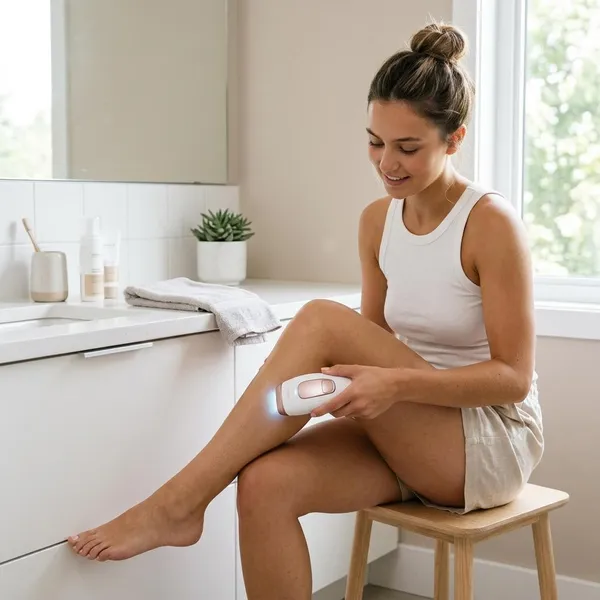
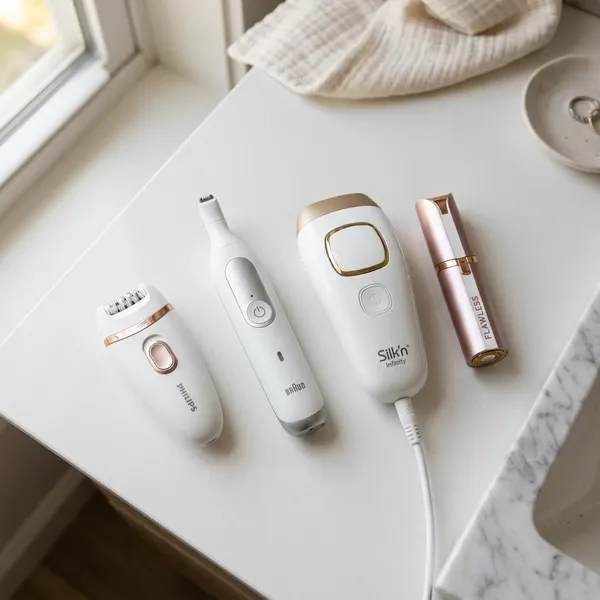
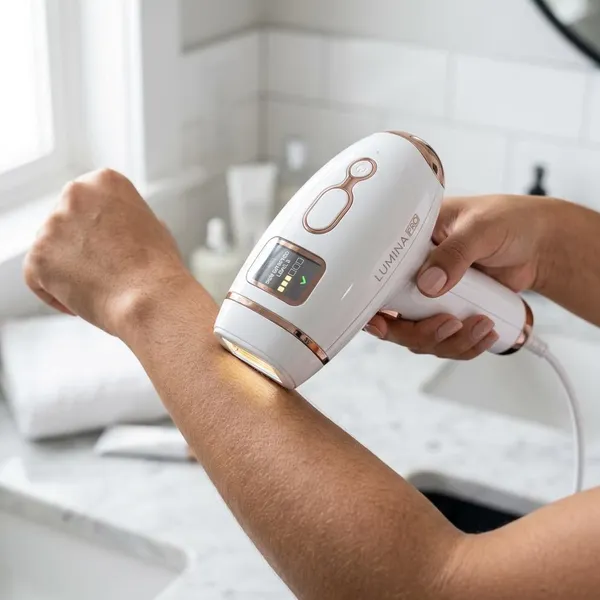
At-home IPL can work if your hair, skin tone, and routine are a good match, but it is better to think of it as hair reduction rather than permanent removal. The quickest way to judge whether it is worth trying is to check three things first: dark enough hair, an approved skin tone range, and whether you can stick with regular sessions for several weeks.
Who gets the best results from at-home IPL?
The best results usually come from people whose hair has enough pigment for IPL to target and whose skin tone is within the device's approved range. Technique matters too, but the starting match between hair, skin, and treatment area is the first thing to check before buying or using a device.
People with darker hair
Dark brown and black hair usually respond best because IPL targets pigment in the hair. If the hair is coarse and clearly visible against the skin, areas like the legs, underarms, and bikini line often have a better chance of showing slower regrowth over time.
Very light blond, white, gray, and many red hairs are harder to treat because there may not be enough pigment for the light to absorb. In that situation, even a good device may feel disappointing, so it is worth being realistic before committing to a long routine.
People with compatible skin tones
Skin tone compatibility is both a safety and performance issue. IPL needs enough contrast between the hair and surrounding skin, which is why many at-home devices work best on lighter to medium skin tones with darker hair.
- Check the brand's skin tone chart first: do this before buying, not after opening the box.
- Avoid recently tanned skin: tanning can change how the light interacts with the skin.
- Do not guess on deep skin tones: if the device does not approve your tone, choose another method or seek professional advice.
People who follow a consistent routine
Consistency is where many at-home IPL routines succeed or fail. Hair grows in cycles, so one or two sessions cannot reach every follicle at the right moment.
People treating IPL-approved body areas
At-home IPL should only be used on areas approved by the device instructions, commonly places such as legs, arms, underarms, bikini line, and sometimes facial areas below the cheekbones. The eye area is not a place to experiment.
This matters most for high-sensitivity areas. Treating lower legs is a different risk level from treating upper lip hair or the bikini line, so follow the device's area guidance rather than assuming all skin can be handled the same way.
What results can you expect at home?
The realistic goal is less regrowth, not perfectly hairless skin forever. If at-home IPL suits you, progress usually shows up as slower stubble, finer hair, patchier growth, and fewer shaving sessions.
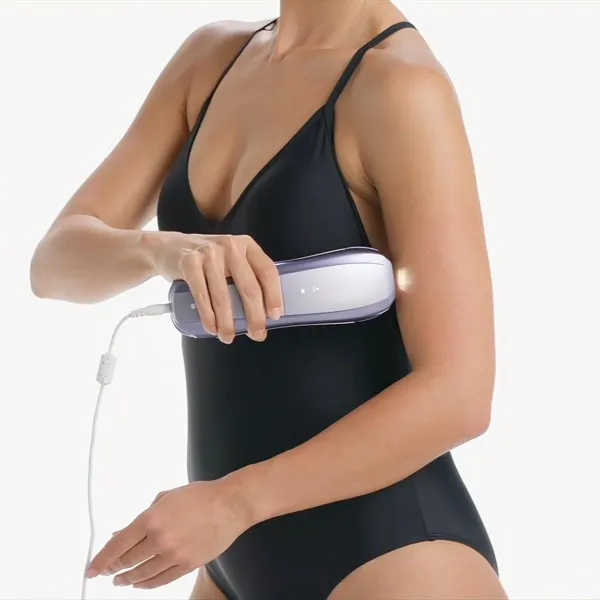
Slower hair regrowth
One of the first useful signs is that stubble takes longer to return after shaving. The change can be subtle at first, so compare week to week rather than checking the mirror every morning.
Finer and less noticeable hair
Hair may come back softer before it becomes visibly sparse. That still counts as progress, especially in areas where prickly regrowth bothers you more than the actual number of hairs.
For someone who shaves their underarms often, finer regrowth can make the area feel easier to manage even before there is a dramatic reduction. For someone treating legs mainly for summer, the biggest win may simply be smoother skin for longer between shaves.
Patchier growth between sessions
Patchy growth is common because not all follicles respond at the same time. It can look uneven for a while, but it may also be a sign that some follicles are already slowing down.
If the patchiness follows the exact places you may have skipped, coverage is probably the issue. Move in rows or small sections instead of flashing randomly across the skin.
Less frequent shaving over time
Many people judge success by how much less often they need to shave. Going from shaving every couple of days to touching up once in a while can be a worthwhile result, even if some hair still grows back.
| What you notice | What it usually means | What to do next |
|---|---|---|
| Stubble returns more slowly | The routine may be starting to work | Stay on schedule |
| Hair feels softer | Follicles may be weakening | Track texture, not just hair count |
| Some spots stay hairy | You may be missing areas | Use a more even pattern |
| No change after consistent use | Hair or skin may not be a good match | Recheck suitability and settings |
How does Ulike fit into at-home hair removal?
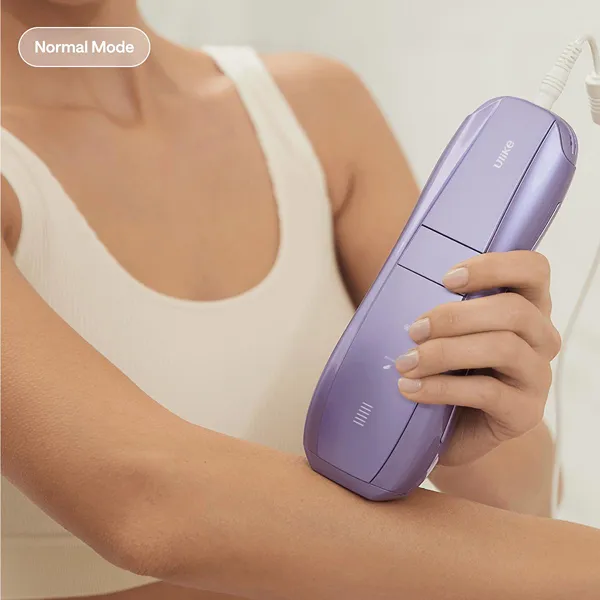
Ulike fits into this category as an at-home IPL option for people who want regular hair-reduction sessions without clinic appointments. Its value depends less on one dramatic treatment and more on whether it is comfortable and simple enough for you to keep using.
Ulike uses IPL rather than medical laser
Ulike uses IPL, not a medical laser. That means it is designed for consumer home use and gradual reduction, not the same power or treatment model you would expect from a professional clinic.
This difference is important if you are comparing cost and convenience. A clinic may be a better fit if you want professional assessment or faster treatment on difficult areas, while a home IPL device may suit someone who prefers privacy, lower ongoing cost, and flexible timing.
Ulike adds Sapphire Ice Cooling for comfort
Sapphire Ice Cooling is meant to make the treatment window feel cooler on the skin during use. Cooling does not magically make IPL work better, but comfort can affect whether you complete enough sessions to see a difference.
Ulike is designed for regular home treatments
The main point of a device like Ulike is repeatability. If a session feels manageable after a shower or during a quiet evening at home, you are more likely to stay with the routine long enough to judge the results fairly.
That makes it a better fit for someone who wants long-term grooming control than for someone hoping to remove all hair before an event next weekend. At-home IPL is a routine, not a quick fix.
How to get better results from at-home IPL
Good technique can make a noticeable difference. The most useful order is simple: prepare the skin, choose a safe setting, cover the area evenly, follow the schedule, and maintain the results once regrowth slows.
Shave before treatment
Shave before using IPL so the light can focus below the skin surface instead of heating visible hair above it. Do not wax, tweeze, or pluck right before treatment because those methods remove the hair from the follicle, leaving less pigment for IPL to target.
Use the right intensity
The best intensity is not automatically the highest setting. Start with a patch test on a small area and wait 24 hours to check for any adverse reaction before proceeding with a full treatment. Then use an intensity appropriate for your skin and treatment area.
If the flashes feel uncomfortable, reduce the intensity as directed by the device instructions. If you develop noticeable irritation, burning, or persistent discomfort, stop treatment and allow the skin to recover before using the device again. A comfortable setting you can repeat consistently is usually more useful than an aggressive setting that makes you avoid the next session.
Cover the area evenly
Uneven coverage is one of the easiest mistakes to make, especially on larger areas like legs. Work in small rows or sections so you know where you have already flashed.
- For legs: divide the area into front, side, and back sections.
- For underarms: stretch the skin gently so folds are easier to cover.
- For bikini line: go slowly and stay within the approved treatment zone.
Follow the recommended schedule
Follow the device schedule instead of improvising. Treating too rarely can slow progress, while treating more often than recommended may only increase irritation without giving better results.
If you are using IPL for a summer goal, start early enough to give the routine several weeks to show visible changes. If you want year-round smoother skin, build it into a regular grooming habit rather than treating only when regrowth annoys you.
Keep up with maintenance
Once the area looks smoother, maintenance helps keep the reduction from fading too quickly. Some follicles can become active again, especially in hormone-sensitive areas, so occasional touch-ups are usually part of the deal.
Conclusion
At-home IPL is worth considering if you have dark hair, a compatible skin tone, and the patience to use it regularly. It is not the best choice for every hair color, skin tone, or last-minute situation, but for the right person it can turn constant shaving into much lighter maintenance.