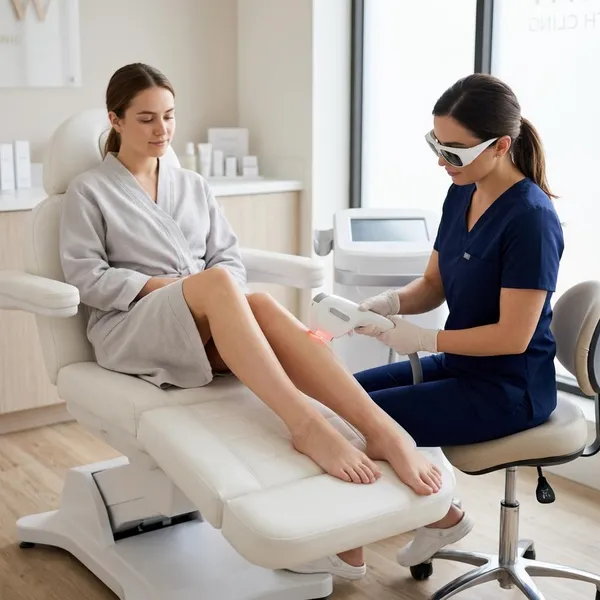
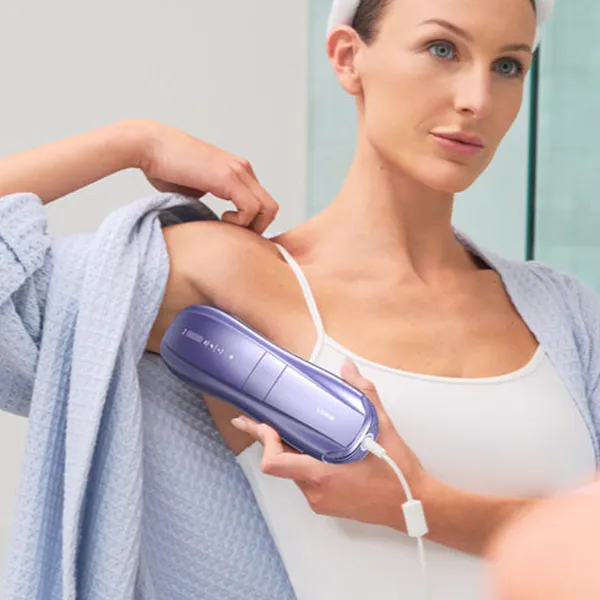
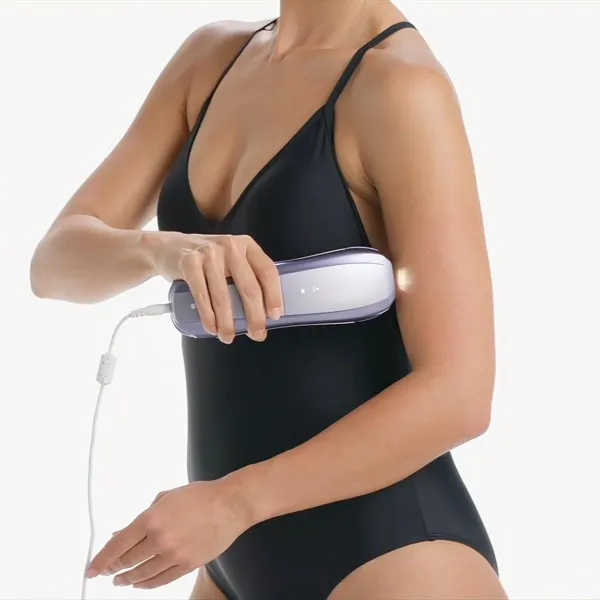
If you are choosing between IPL devices, the sensor is worth paying attention to before the flash count, app features, or sleek design. The most useful ipl hair removal devices with automatic skin tone sensors do two things: they check whether your skin is within the safe range and either adjust the intensity or stop the flash when it is not. That helps, but it does not make home IPL suitable for every skin tone, hair color, or recently tanned area.
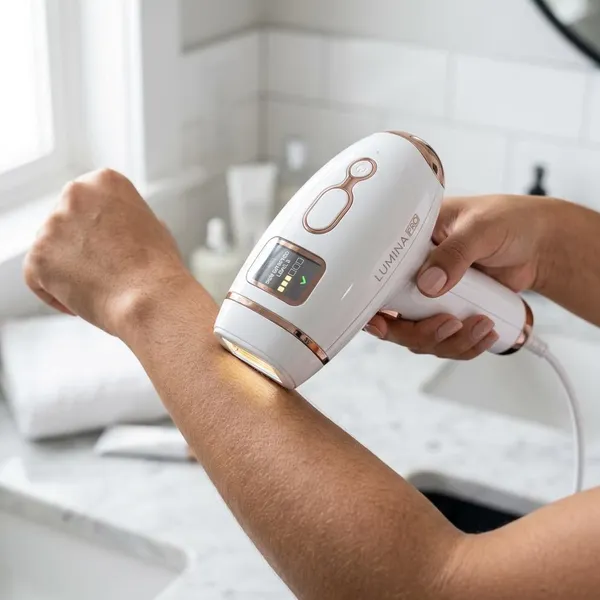
How Do Automatic Skin Tone Sensors Work?
An automatic skin tone sensor reads the skin near the treatment window before the device flashes. Depending on the model, that reading may be used for a simple safety lock, an automatic power setting, or ongoing adjustment as you move across different body areas.
Skin tone detection
Skin tone detection works by checking how the skin reflects light at the treatment area. The device then compares that reading with its approved tone range before allowing treatment.
This matters because IPL targets pigment. If the surrounding skin has too much pigment for that device, it may absorb more heat than intended. A sensor is especially useful on uneven areas such as knees, underarms, bikini-line edges, or skin that changes color after sun exposure.
Automatic intensity adjustment
Some IPL devices use the skin reading to choose the intensity automatically. This is helpful if you do not want to keep guessing between levels, especially when moving from lighter areas of the legs to slightly darker or more sensitive zones.
- Best for beginners: automatic levels reduce setting mistakes.
- Best for mixed body areas: the device can lower output where skin is darker.
- Not always fastest: safer automatic settings may feel conservative.
Unsafe skin tone detection
When the sensor reads a skin tone outside the device's safe range, many models will refuse to flash. That lockout can be frustrating, but it is a useful warning that the device may not be suitable for that area.
Treat this as a stop sign, not a technical glitch. If the device rejects your underarms in summer but not your legs in winter, the difference may be tanning, pigmentation, or naturally darker skin in that area.
Skin contact protection
Skin contact protection is a separate safety feature. It prevents the device from flashing unless the treatment window is pressed flat against the skin.
This is most useful on curved areas such as ankles, underarms, or the upper lip, where it is easy to hold the device at a poor angle. Good contact also helps the pulse land more evenly instead of scattering light into open air.
Are IPL Skin Tone Sensors Actually Safer?
Yes, they can make home IPL safer by reducing two common mistakes: using too high an intensity and treating skin that the device was not designed for. They are most useful for regular home users who want a simpler routine without constantly judging settings by eye.
They are not a full safety guarantee. A sensor cannot judge your medical history, recent sun exposure, irritated skin, tattoos, or whether your skin is unusually reactive that day.
Reduced intensity errors
The biggest safety benefit is fewer setting mistakes. With a fully manual device, it is easy to choose a level that feels fine on the lower leg but is too strong for the bikini line or underarms.
For someone treating only the lower legs, manual settings may be manageable. For someone treating several areas in one session, automatic adjustment removes a lot of small decisions that can lead to over-treatment.
Protection against unsuitable skin tones
A good sensor can block flashes on skin tones outside the device's programmed range. This is especially important if your skin is close to the darker end of the brand's compatibility chart or if you tan easily.
Use the sensor as a backup, not as permission to ignore the chart. If your skin tone is deeper year-round, or if you have melasma, post-inflammatory hyperpigmentation, or very uneven pigmentation, home IPL may need extra caution or professional advice.
Limits of sensor accuracy
Sensors read reflected light; they do not examine skin the way a clinician would. Freckles, patchy tanning, birthmarks, darker underarms, or pigmentation marks can all affect how consistently the device responds.
- If flashes stop randomly: check whether the area is darker or uneven.
- If the level feels too hot: stop instead of relying on the sensor.
- If the skin changed recently: wait until tanning or irritation has settled.
Need for patch testing
Patch testing is still necessary. Test a small clean, shaved area using the device as instructed, then wait for the time recommended by the manufacturer before treating a larger area.
This is where personal sensitivity matters. Someone with light skin and dark hair may still react strongly on the upper lip or bikini line, while another person may tolerate legs easily. Redness that lasts longer than expected, unusual discomfort, or pigment changes are reasons to stop and reassess.
What to Look for in an IPL Device With Skin Tone Sensors
Start with compatibility, then compare the sensor. A device with excellent automatic sensing is still the wrong choice if your hair is too light for IPL or your skin tone sits outside the supported range.
After that, look at how the device will fit into real life. A slower but comfortable device may be fine for small areas; for legs, arms, or larger treatment zones, speed and ease of handling matter much more.
Sensor technology
Look for clear wording about what the sensor actually does. Useful descriptions include automatic skin tone reading, automatic intensity selection, continuous sensing, or flash blocking for unsuitable tones.
Be more cautious with vague claims such as "smart sensor" if the product page only describes skin contact detection. Contact sensing and tone sensing are not the same feature.
Automatic intensity settings
Automatic intensity is most helpful when the device changes or recommends the power level based on the skin reading. This keeps you from manually adjusting settings every time you move to a different area.
Skin and hair compatibility
Check this before price, brand, or reviews. IPL usually works best when there is a clear contrast between the skin and the hair, such as lighter skin with brown or black hair. It usually performs poorly on white, gray, very light blonde, and many red hairs because there is not enough pigment for the light to target.
For skin tone, compare your actual treatment area with the manufacturer's chart in normal lighting. Do this again if your skin changes between seasons; a device that works for your legs in winter may not be suitable after a summer tan.
Treatment speed
Treatment speed decides whether you will keep using the device. A small window and slow flash cycle may be acceptable for the upper lip, but it can make full-leg sessions feel too tedious to maintain.
| Treatment plan | What matters most |
|---|---|
| Small areas only | Good contact control and comfort |
| Legs or arms | Faster flash rate and larger window |
| Several areas in one routine | Automatic settings plus easy handling |
Cooling and comfort
Cooling is not just a luxury feature if you are nervous about heat or treating sensitive areas. Active cooling, gentle modes, or lower comfort settings can make it easier to stay consistent.
Do not use cooling as an excuse to push treatment on irritated, freshly tanned, or unsuitable skin. Comfort features make normal use easier; they do not override the safety range.
Price and long-term value
Value comes from a device you can use correctly and consistently. A cheaper model is not good value if it lacks the sensor function you wanted, rejects your skin too often, or takes so long that you stop using it.
- Check first: skin tone and hair color compatibility.
- Then compare: automatic adjustment versus basic lockout only.
- For larger areas: prioritize speed and comfortable handling.
- For sensitive users: cooling or gentle modes may matter more than extra power levels.
Conclusion
An IPL device with automatic skin tone sensing is usually the better choice if you want fewer setting decisions and an extra safety check at home. Choose one only after confirming your skin and hair compatibility, and be especially cautious with tanning, darker patches, or sensitive areas. The best pick is not the device with the boldest "smart" claim, but the one that reads skin clearly, adjusts predictably, feels comfortable enough to use, and refuses to flash when it should.