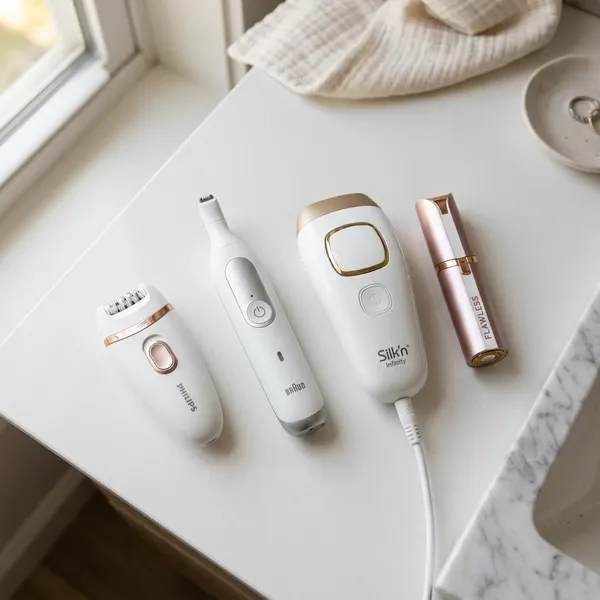
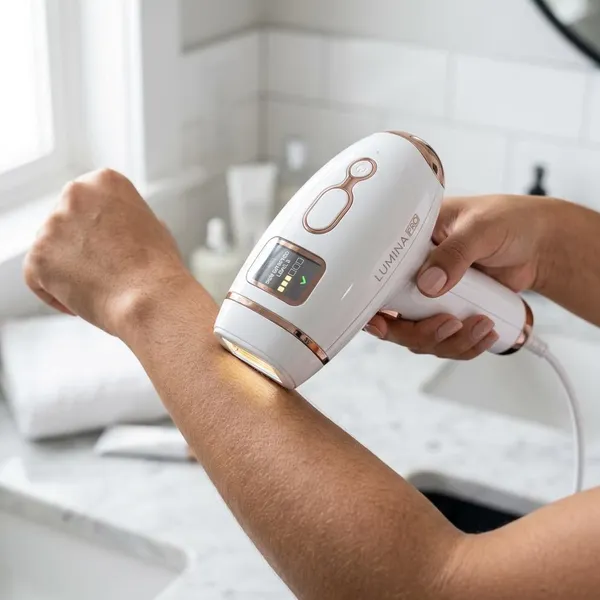
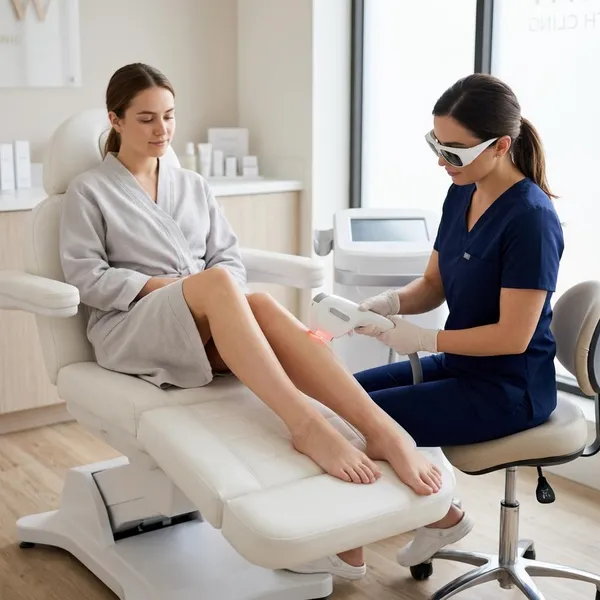
At-home laser hair removal can be worth trying if you want slower, finer regrowth and you are willing to follow a routine for several weeks. The biggest thing to check first is whether your skin tone and hair color are a good match for the device, because these treatments rely on contrast between hair pigment and surrounding skin.
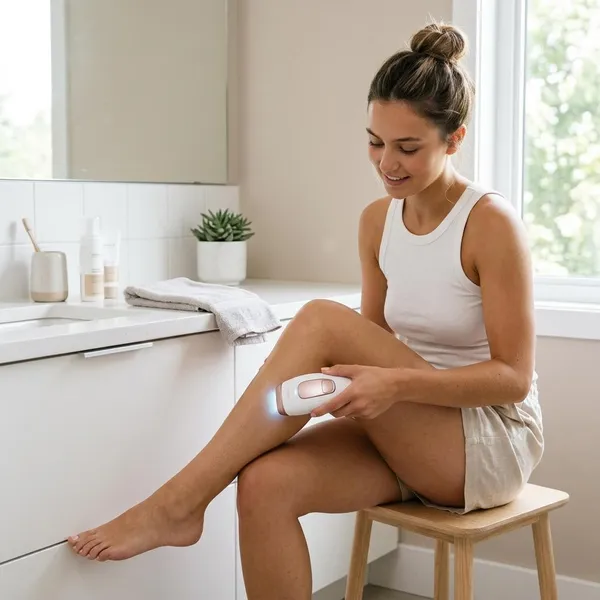
How At-Home Hair Removal Works
Home hair removal devices use light energy to affect hair growth below the skin's surface. They are usually gentler than professional machines, which makes them more suitable for consumer use but also means progress is slower and depends heavily on correct, repeated use.
Light targets pigment in the hair
The light is drawn to melanin, the pigment that gives hair its color. Darker hair usually responds better because there is more pigment for the device to target, while blond, gray, red, or very pale hair may not absorb enough light to make much difference.
Skin tone matters too. If the skin has a lot of melanin, some devices may struggle to tell the difference between skin pigment and hair pigment. That does not automatically mean home treatment is impossible, but it does mean you should be much more careful about the device's skin tone chart, built-in sensors, and safety warnings.
Absorbed light creates heat
Once the light is absorbed by the hair, it turns into heat. That heat is meant to travel down toward the follicle, not sit on top of the skin. This is why shaving first is usually important: visible hair above the skin can heat up, smell burnt, and make the session feel sharper without improving the result.
Heat affects the hair follicle
The follicle is where the hair grows from. When enough heat reaches it, future growth may become weaker, slower, and less dense. Think of the result as hair reduction, not a promise that every hair will disappear forever.
This distinction is useful if you are treating an easy-maintenance area, such as lower legs before summer, compared with a more stubborn area, such as facial hair influenced by hormones. The first may become noticeably easier to manage; the second may still need ongoing touch-ups or professional advice.
Repeat sessions target more growing hairs
One session cannot catch every hair because hairs move through different growth stages. Repeating treatment gives the device more chances to reach hairs when they are in a stage that responds better to light.
- Expect gradual change: slower stubble often appears before obvious bare patches.
- Keep the timing steady: skipping weeks can make progress look uneven.
- Do not over-treat to catch up: extra flashes too soon can irritate skin without improving the cycle.
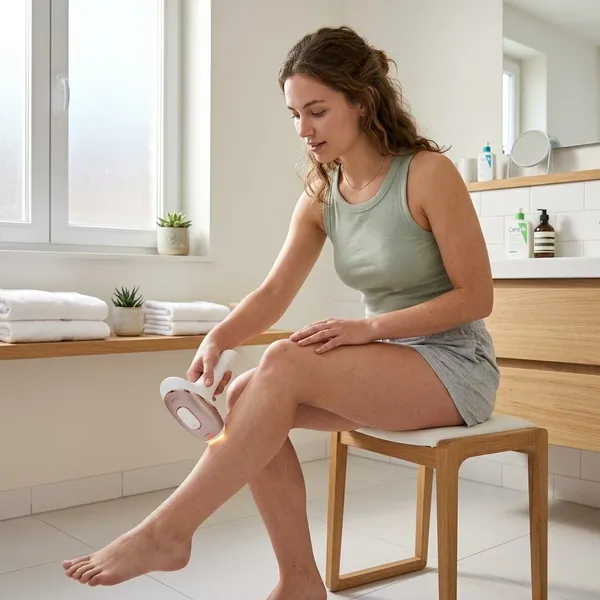
Does At-Home Laser Hair Removal Work?
It can work for the right user, but the realistic goal is reduced growth rather than instant smooth skin. The best candidates usually have hair with enough pigment, skin that the device is approved for, and the patience to treat the same areas on schedule.
Hair reduction happens gradually
Most people should not judge the device after one or two uses. Early progress can be subtle: hair may take longer to come back, feel softer when it does, or grow back in smaller patches.
Regrowth may become slower and finer
Finer regrowth is often the first useful benefit. You may still see hair, but it may look less dark, feel less coarse, or be easier to shave without irritation.
For someone who shaves daily because of visible shadow or fast stubble, that reduction can matter more than chasing completely hair-free skin. For occasional users who only want smooth legs before a trip, a home device may feel too slow because it is designed for routine use, not last-minute results.
Consistency affects visible progress
The routine matters more than using the highest setting once in a while. Treating carefully at the recommended interval usually gives a better chance of visible reduction than rushing, missing spots, or stopping as soon as the first small improvement appears.
- Mark treatment days: use a calendar so sessions do not drift too far apart.
- Work in sections: divide larger areas like legs into zones to avoid missed patches.
- Track changes simply: note shaving frequency rather than inspecting every hair daily.
Results vary by device and user
Not every home device is a true laser. Many popular devices use IPL, or intense pulsed light, which uses a broader range of light rather than one focused laser wavelength. Both can reduce hair growth, but they can differ in treatment window size, comfort, price, and how suitable they are for certain skin and hair combinations.
Before buying, check three things in this order: the approved skin tone range, the hair colors the device is designed to treat, and whether it has a sensor that blocks unsafe flashes. If you have very dark skin, very light hair, recent tanning, or a history of strong skin reactions, it is safer to be cautious than to assume a popular device will suit you.
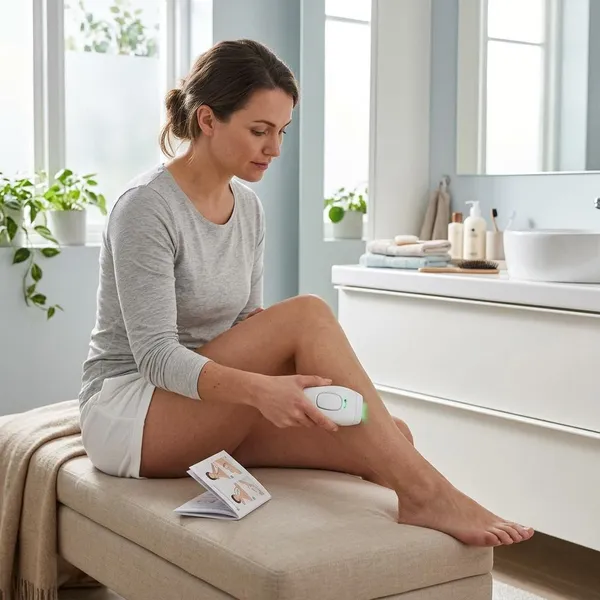
How to Use At-Home Hair Removal Safely
Safe use starts before the device touches your skin. The main priorities are simple: prepare the area properly, choose a setting your skin can tolerate, and do not treat skin that is irritated, sunburned, broken, tattooed, or outside the device's approved range.
Shave the treatment area first
Shaving is usually the right prep because it removes surface hair while leaving the hair structure under the skin for the light to target. Waxing, tweezing, or epilating between sessions can make treatment less effective because they remove the hair from the root.
If you are treating a larger area, shave carefully but avoid scraping the skin. Fresh razor burn plus light treatment is a bad combination, so it is better to wait until irritation calms down than to push through discomfort.
Start with clean, dry skin
Use the device on bare, dry skin. Remove lotion, body oil, deodorant, sunscreen, perfume, and self-tanner from the area first, since residue can make the skin more reactive or interfere with even contact.
- Underarms: wash away deodorant and let the skin dry fully.
- Legs: avoid treating over fresh self-tanner or heavy moisturizer.
- Bikini line: follow the device's limits closely and avoid mucous membranes or irritated skin.
Patch test before full treatment
A patch test is a small safety check, not an optional formality. Treat a small area at a low or recommended setting, then wait as directed by the manufacturer before doing the full area.
Mild temporary redness can happen, but strong pain, swelling, blistering, or irritation that does not settle is a sign to stop. If your skin reacts badly even at a cautious setting, do not keep testing higher areas of the body just to see if they behave differently.
Use the recommended intensity
Higher intensity is not automatically better. A setting that causes you to flinch, overlap carelessly, or avoid the next session is too aggressive for practical use.
Start where the manual or sensor suggests, then only adjust if your skin tolerates it well. Built-in safety sensors should be treated as a hard stop, not an inconvenience to work around.
Follow the device treatment schedule
Use the schedule that comes with your device rather than guessing. Many devices separate treatment into a starting phase and a maintenance phase, and that timing is meant to match the way hair growth cycles work.
- Do not double up after a missed session: return to the schedule instead.
- Do not treat freshly tanned skin: extra pigment can raise the risk of irritation.
- Do not flash over tattoos or dark moles: darker pigment can absorb more heat.
- Do not use near the eyes: follow the device's face-use rules exactly.
Conclusion
Home treatment makes the most sense when your hair and skin are a good match, you want easier long-term maintenance, and you are comfortable following a steady routine. If your main need is an immediate smooth result, or if your skin tone, hair color, tanning habits, or sensitivity put you near the edge of the device's safety guidance, it is better to slow down, check the product limits carefully, or ask a dermatologist before starting.