If you want the best upper lip hair removal device, start with your hair type and skin sensitivity rather than the most expensive option. A compact facial shaver is the safest all-round choice for most people, while an epilator or IPL device makes more sense if longer-lasting results matter more than comfort.
Best Upper Lip Hair Removal Devices for Different Needs
Upper lip hair removal is not one-size-fits-all. Fine peach fuzz, coarse dark hair, reactive skin, and frequent regrowth each need a slightly different tool. The quickest way to choose is to decide what you care about most: comfort, smoothness, precision, price, or longer gaps between treatments.
Best overall facial hair remover
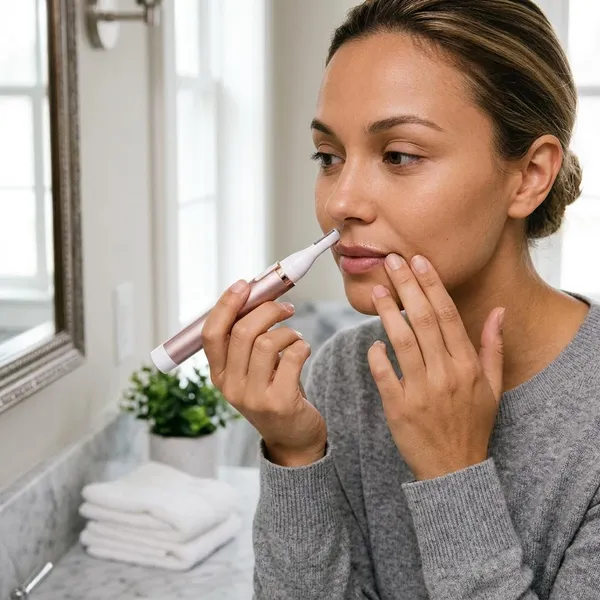
For most people, a small electric facial shaver is the best overall pick. It removes visible hair quickly, does not pull from the root, and is easy to control around the lip line. This is the option I would choose first if you want a low-drama device for regular touch-ups before work, makeup, or a last-minute plan.
The trade-off is regrowth. Because the hair is cut at the surface, you may need to use it every few days if your hair is dark or grows quickly.
Best for sensitive skin
Sensitive skin usually does better with a guarded electric shaver or a facial razor with a protective edge. Look for a small head, rounded contact points, and a design made specifically for the face. Avoid jumping straight to waxing, strong creams, or aggressive epilation if your upper lip often turns red after skincare.
- Choose surface removal first: it is usually less irritating than pulling hair from the root.
- Use fewer passes: repeated rubbing causes more redness than the device itself in many cases.
- Skip active skincare nearby: retinoids, acids, and scrubs can make the area more reactive.
Best for coarse hair
Coarse upper lip hair often needs either a precise trimmer with a strong cutting head or a small facial epilator. A basic peach-fuzz tool may leave thicker hairs behind, which tempts you to keep going over the same spot.
If you need smoothness that lasts for more than a day or two, epilation can be worth considering because it removes hair from the root. It can sting, though, so it is better for someone who values longer wear time over a completely painless routine.
Best for peach fuzz
A dermaplaning tool is usually the best fit for soft peach fuzz. It removes fine vellus hair and can make foundation sit more smoothly, especially if your goal is a cleaner makeup finish rather than long-lasting hair removal.
Use this option more carefully if your skin is dry, acne-prone, or already irritated. For a low-risk everyday alternative, a gentle electric facial shaver is easier to use without accidentally over-exfoliating.
Best for lasting results
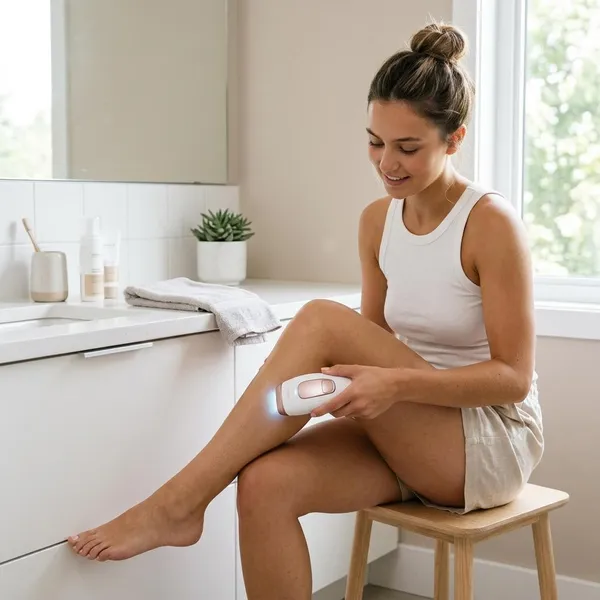
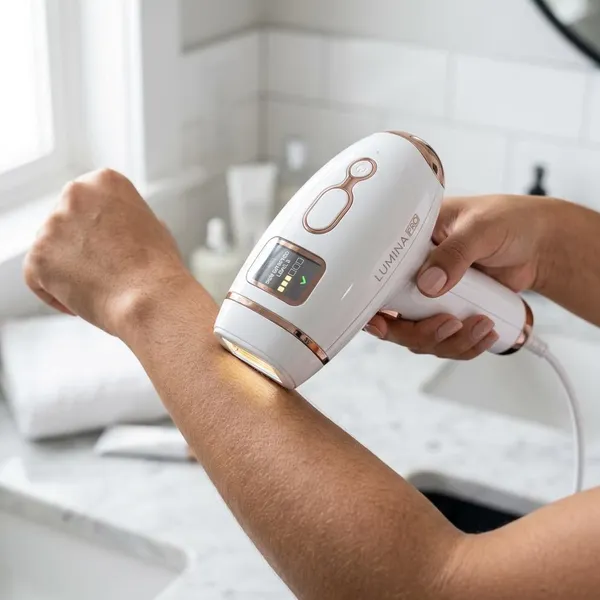
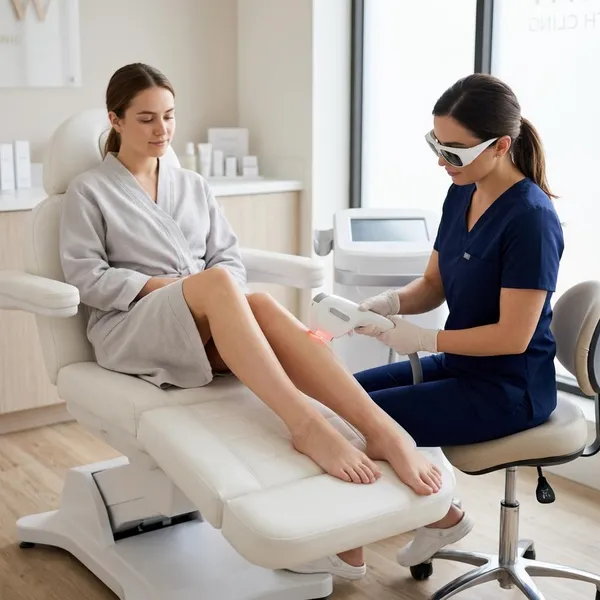
IPL is the strongest at-home option for gradual reduction, but it is not an instant upper lip fix. It works best when the device is approved for facial use and the hair has enough pigment for the light to target. Very light blonde, gray, white, or red hair often responds less predictably.
Best budget option
A basic facial shaver or disposable dermaplaning razor is enough if you only remove upper lip hair occasionally. It keeps the cost low while you figure out whether surface-level removal works for your skin.
Do not use a bulky body razor just because it is already in the bathroom. The upper lip is small and curved, so a facial-safe tool gives better control and usually causes less friction.
Which Upper Lip Hair Removal Device Works Best?
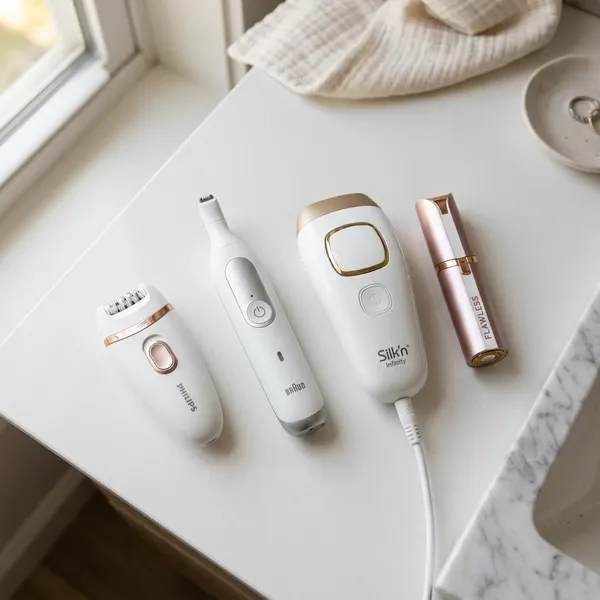
The device that works best depends on what "best" means for you. For a quick, painless result, choose a facial shaver. For smoother skin that lasts longer, consider an epilator. For gradual reduction, IPL may be worth the higher cost if your skin tone, hair color, and device instructions make it suitable.
Hair removal results
Surface-level tools give the fastest visible result, but they do not slow growth. Root-removal tools last longer because they pull the hair out from below the surface. IPL is different again: it aims to reduce regrowth over repeated sessions rather than clear every visible hair immediately.
| Device type | Best result for | Main limitation |
|---|---|---|
| Facial shaver | Fast, painless touch-ups | Regrowth appears sooner |
| Dermaplaning tool | Peach fuzz and smoother makeup | Can irritate if overused |
| Facial epilator | Longer smoothness for thicker hair | More painful on the upper lip |
| IPL device | Gradual long-term reduction | Higher cost and not suitable for all hair or skin tones |
Pain and comfort
Facial shavers are usually the most comfortable because they do not pull the hair. Dermaplaning should also feel painless when done lightly, although the skin may feel tender if you press too hard.
Skin irritation
Irritation risk rises when you combine hair removal with stressed skin. If the area is sunburned, flaky, broken out, freshly exfoliated, or sensitive from retinoids, wait until it calms down before using any device.
- Lowest-risk routine: gentle facial shaver, clean skin, light pressure.
- Moderate-risk routine: dermaplaning or epilation when skin is calm.
- Higher-risk situation: hair removal right after exfoliating, waxing, or using strong actives.
Ease of use
A good upper lip device should feel easy to aim near the nose, cupid's bow, and corners of the mouth. If the head is too wide, you will probably miss hairs or make extra passes.
For daily or weekly use, convenience matters more than fancy settings. A device you can clean quickly, hold comfortably, and use in good lighting is more likely to stay in your routine.
Cost and upkeep
The cheapest tool is not always the cheapest over time. Manual dermaplaning razors need replacement blades, while some electric shavers last longer with basic cleaning and charging. IPL costs more upfront, so it only makes sense if you expect to use it consistently and your hair type is a realistic match.
What to Look for in an Upper Lip Hair Removal Device
Before buying, check the three things that affect your result most: hair thickness, skin sensitivity, and control. Price and brand matter less if the device is too harsh, too bulky, or too weak for the hair you are trying to remove.
Hair thickness
Fine hair usually needs a gentle shaver or dermaplaning tool. Coarse or dark hair may need a stronger trimmer, root-removal device, or facial-safe IPL option. If a tool leaves the same hairs behind after one or two careful passes, it is probably not strong enough for your hair type.
Skin sensitivity
If your skin reacts easily, put comfort ahead of speed. A protected cutting head, foil cover, or rounded guard can make a noticeable difference on the upper lip. Be extra cautious if you use acne treatments, retinol, exfoliating acids, or prescription skincare near the mouth.
Precision and control
The upper lip is too small for clumsy tools. Choose a slim handle, compact head, and shape that lets you work close to the lip line without scraping the same area repeatedly. A built-in light can help if your hair is pale or hard to see in bathroom lighting.
Safety features
Look for clear facial-use approval, protective guards, and instructions that mention use around the mouth. For IPL, also check skin tone and hair color compatibility before buying. If the instructions warn against using the device on your skin tone or in that facial area, do not improvise.
Ease of cleaning
Hair, sunscreen, makeup, and oil collect quickly on small facial devices. Removable heads, washable parts, or a small cleaning brush make the device easier to keep hygienic. A dirty head can drag on the skin and make irritation more likely.
Long-term value
Think about how often you will actually use the device. Occasional touch-ups do not require a premium tool, but weekly or year-round upper lip hair removal is a good reason to spend more on comfort, battery life, and replacement parts that are easy to find.
How to Remove Upper Lip Hair Safely
Safe upper lip hair removal comes down to calm skin, the right tool, and stopping before the area gets irritated. The most common mistake is treating the upper lip like a tougher body area, when it usually needs lighter pressure and fewer passes.
Clean and prepare your skin
Start with clean, dry skin unless your device says otherwise. Remove makeup, sunscreen, and oil so the device can glide smoothly and catch hair properly. If the area feels tight, flaky, sunburned, or freshly exfoliated, wait instead of pushing through.
Choose the right device
Match the device to the job before you start: shaver for quick touch-ups, dermaplaning tool for peach fuzz, epilator for longer smoothness, and IPL for gradual reduction. This one check prevents most overworking, because the wrong tool makes you repeat the same motion too many times.
Use gentle pressure
Let the device do the work. Pressing harder does not usually remove more hair; it mostly adds friction. With manual dermaplaning tools, use a light angle. With electric shavers, keep the head in contact with the skin without forcing it down.
Avoid repeated passes
One or two controlled passes are usually enough. If the same hair will not come away, pause and check the head for buildup, dullness, or poor contact. Repeating the stroke over and over is when a quick upper lip tidy-up often turns into redness.
Apply soothing aftercare
Use a simple, fragrance-free moisturizer or a soothing gel your skin already tolerates. Avoid acids, retinoids, scrubs, and heavy rubbing right after hair removal. If you are heading outside, sunscreen is a sensible extra step because freshly treated skin can feel more reactive.
Conclusion
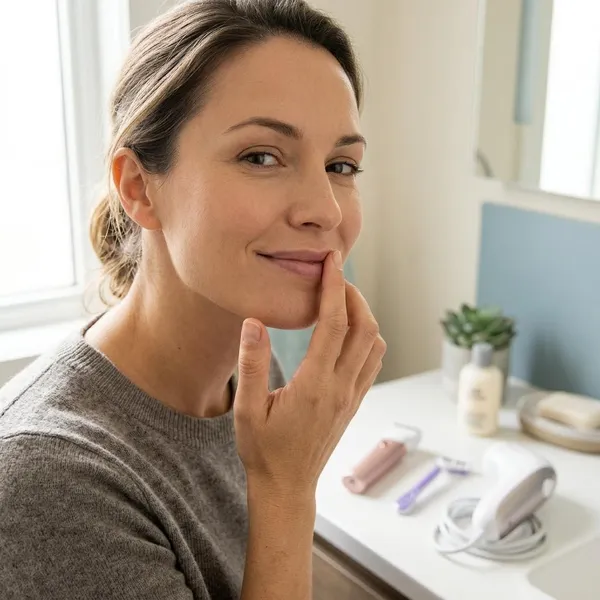
A compact facial shaver is the best starting point for most upper lip hair because it is quick, gentle, and easy to control. Move to dermaplaning if peach fuzz and makeup smoothness are the goal, epilation if you can tolerate some sting for longer smoothness, or IPL if you want gradual reduction and your hair and skin are a suitable match. The right choice is the one that removes enough hair without making your upper lip red, sore, or harder to manage afterward.