If you are comparing an ipl hair removal and skin rejuvenation device, the first thing to check is whether the product is truly built for both goals or mainly for hair reduction. IPL can help reduce suitable hair over time, and some devices or separate modes may support certain visible skin concerns, but the best choice depends on your skin tone, hair color, treatment area, and how consistently you will use it.
What is an IPL hair removal and skin rejuvenation device?
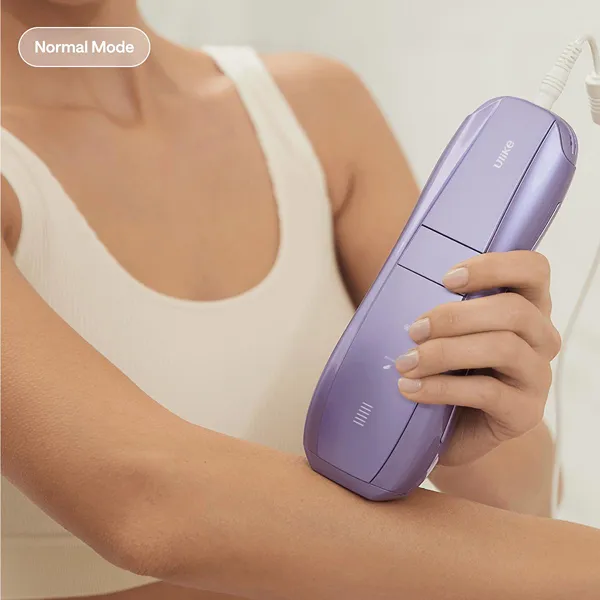
An IPL hair removal and skin rejuvenation device is a light-based cosmetic tool used on targeted areas of the skin. Some models are designed mainly to reduce unwanted hair, while others include separate settings or attachments for skin-focused concerns such as uneven tone or mild visible redness.
IPL devices use pulses of light on targeted areas
IPL stands for intense pulsed light. Instead of using one narrow laser wavelength, IPL releases controlled pulses of broad-spectrum light onto the treatment area. The device is placed against the skin, flashes briefly, and the light is absorbed by specific targets depending on the mode and design.
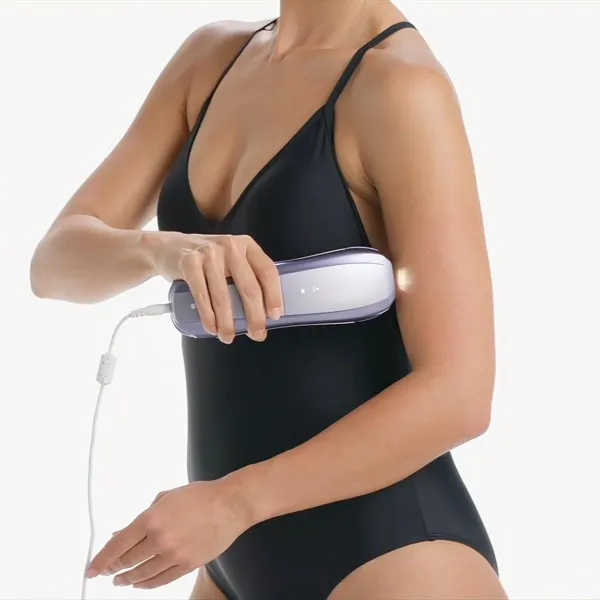
For a home user, this usually means treating small sections in a pattern rather than waving the device randomly over the skin. Missed spots can lead to patchy results, while overlapping too much may increase irritation, so steady placement matters more than speed.
Hair removal targets pigment in the hair
For hair reduction, IPL relies on pigment in the hair. Darker hair gives the light a clearer target, which is why many IPL devices work best on dark blonde, brown, or black hair paired with a compatible skin tone.
- Likely better fit: dark hair with lighter to medium compatible skin tones.
- Often weaker fit: very light blonde, red, gray, or white hair.
- Needs extra caution: darker skin tones, because some devices may not be approved.
Skin rejuvenation targets specific skin concerns
Skin rejuvenation is not the same promise as hair removal. A skin-focused IPL function may be intended for visible concerns such as mild uneven tone, sun-related marks, or redness, but the exact use depends on the device.
This matters if your goal is not just smoother legs before summer, but year-round help with visible facial discoloration or redness. In that second situation, you should look for a product that clearly names the skin concern it supports, rather than relying on a general beauty claim.
How does IPL work for hair removal and skin rejuvenation?
IPL works by delivering light energy into the skin, where it is absorbed by a target such as hair pigment or a visible skin concern. The device setting matters because hair reduction and skin rejuvenation are not aiming at the same outcome.
Hair mode targets melanin in the hair
In hair mode, IPL targets melanin in the hair shaft and follicle area. The absorbed light turns into heat, which can weaken the follicle's ability to produce hair as strongly as before.
Because hair grows in cycles, one session cannot catch every follicle at the best moment. That is why early results often look like slower regrowth or patchier stubble rather than completely bare skin.
Skin mode targets visible skin concerns
A skin mode is usually adjusted for a different cosmetic goal, such as helping the appearance of uneven tone or mild redness. It should not be treated as a bonus feature unless the device instructions clearly say it is approved for that use.
If your concern is a dark spot, persistent redness, melasma-like pigmentation, or a changing mark, be cautious. Home IPL is not a substitute for medical advice, and anything unusual, painful, or changing should be checked by a qualified professional before using light-based treatment.
Repeated treatments build results over time
Repeated treatments matter more than using the highest setting. A safer home routine usually looks like this:
- Check compatibility first. Match your skin tone, hair color, and treatment area with the product guide.
- Prepare the area correctly. For hair removal, this commonly means shaving and using IPL on clean, dry skin.
- Patch test before a full session. Wait as directed and watch for irritation.
- Follow the schedule. Do not treat more often than recommended to speed things up.
How does Ulike fit into hair removal and skin rejuvenation?
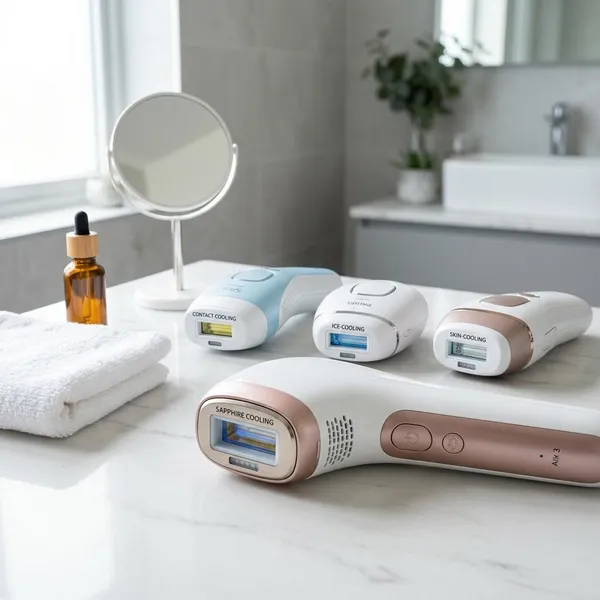
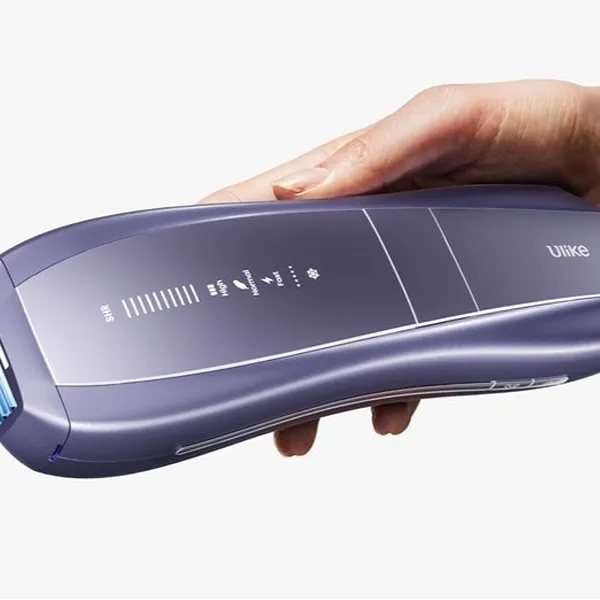
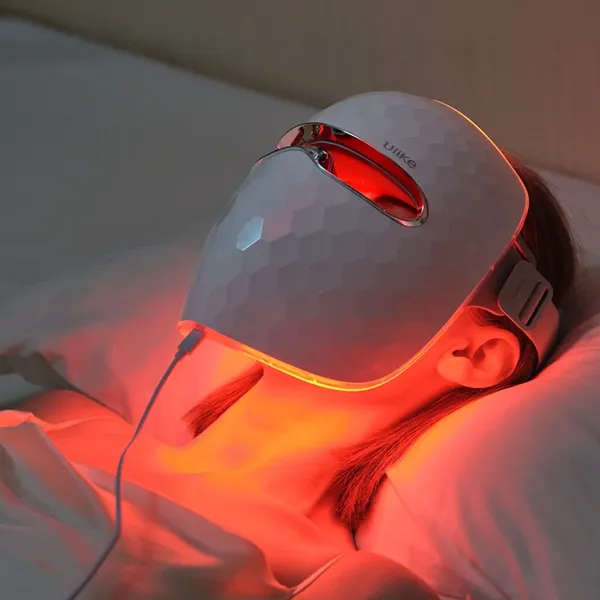
Ulike separates these two goals across different product categories. Its Air-series handsets are IPL hair removal devices, while skin-focused treatment is offered through separate LED light therapy products such as the Ulike ReGlow mask. A Ulike IPL hair removal handset should not be assumed to include an IPL skin rejuvenation mode.
Ulike IPL devices focus on hair reduction
Ulike IPL devices are primarily positioned around reducing unwanted hair with repeated home use. That makes them a practical option for someone who wants less shaving on areas such as legs, arms, underarms, or the bikini line, provided the model approves those areas and the user's skin and hair combination.
Ulike uses separate LED devices for skin-focused treatment
For skin-focused treatment, Ulike offers separate LED light therapy devices such as the Ulike ReGlow mask. ReGlow is not a skin rejuvenation mode built into a Ulike IPL hair removal handset. The IPL device and the LED device should therefore be evaluated separately according to their intended uses, treatment areas, schedules, and safety instructions.
| Your main goal | Better Ulike product direction | What to verify before buying |
|---|---|---|
| Less frequent shaving | Ulike IPL hair removal device | Skin tone, hair color, body area, and treatment schedule |
| Skin-focused treatment | Separate Ulike LED light therapy device | Supported skin concern, LED modes, treatment area, and sensitivity guidance |
| Both goals | Two separate products: a Ulike IPL device and a Ulike LED light therapy device | Each product's approved use, treatment area, schedule, and safety instructions |
Who is a good fit for at-home IPL?
A good fit for at-home IPL is someone whose skin tone, hair color, treatment area, and routine all match the device instructions. If one of those four points does not match, the device may be ineffective, unsafe, or simply not worth the money.
People with IPL-compatible skin and hair tones
The first check should always be the compatibility chart, not the product photos or customer before-and-after images. IPL depends on how light interacts with pigment, so your own skin and hair combination matters more than someone else's result.
If your hair is very light or your skin tone falls outside the approved range, it is better to pause than experiment. With light-based devices, a mismatch can mean poor results, irritation, or a higher risk of burns depending on the model.
People who can follow a regular treatment routine
IPL suits people who can follow a schedule for several weeks and then keep up with maintenance if needed. If you only want to treat once before a holiday, shaving, waxing, or another temporary option may fit that short-term goal better.
For someone who wants smoother skin through the whole year, a repeatable routine is more realistic. Calendar reminders and progress photos in the same lighting can help because changes are often gradual enough that you may not notice them day to day.
People whose treatment area is approved for the device
Approved areas vary by device. Legs, arms, underarms, and bikini line are common for many home IPL products, while facial use, intimate areas, tattooed skin, moles, broken skin, and areas near the eyes often have stricter limits.
- Check the exact area name. "Body" does not always mean every body part.
- Avoid restricted skin. Do not flash over tattoos, irritated skin, or suspicious marks.
- Be careful with the face. Follow facial-use rules exactly, especially around the eyes.
What results can you expect from IPL?
Expect gradual improvement, not instant removal or overnight skin changes. The most realistic hair result is long-term reduction with slower, finer regrowth, while skin results depend heavily on whether the device has a genuine rejuvenation function and whether your concern is suitable for it.
Hair grows back more slowly with consistent use
One of the first useful signs is needing to shave less often. Stubble may take longer to return, and treated areas may look patchier as some follicles respond better than others.
Hair can become finer and less noticeable
With repeated use, some regrowth may feel softer, thinner, and easier to manage. That can be a very practical win, especially for areas where daily shaving causes irritation or ingrown hairs.
Results may differ by area. Lower legs may be more straightforward for some users, while hormonal areas such as the face can be more stubborn and may need a more cautious expectation.
Skin results depend on the rejuvenation function used
Skin-focused results are the least safe place to rely on vague marketing. A hair-removal-only device should not be expected to improve tone, redness, or texture in a meaningful way unless the product instructions clearly support that function.
If skin rejuvenation is a serious priority, compare devices by the concern they address, the approved areas, the safety guidance, and whether the routine feels realistic. Mild cosmetic concerns may be more suitable for home use than deeper, changing, painful, or medically unclear skin issues.
Conclusion
The smartest way to choose is to start with your main goal: hair reduction, skin-focused improvement, or both. If you want less shaving and your skin tone, hair color, and treatment area are compatible, at-home IPL can make sense; if skin rejuvenation is just as important, choose a device or separate option that clearly supports that use rather than assuming every IPL handset does it all.