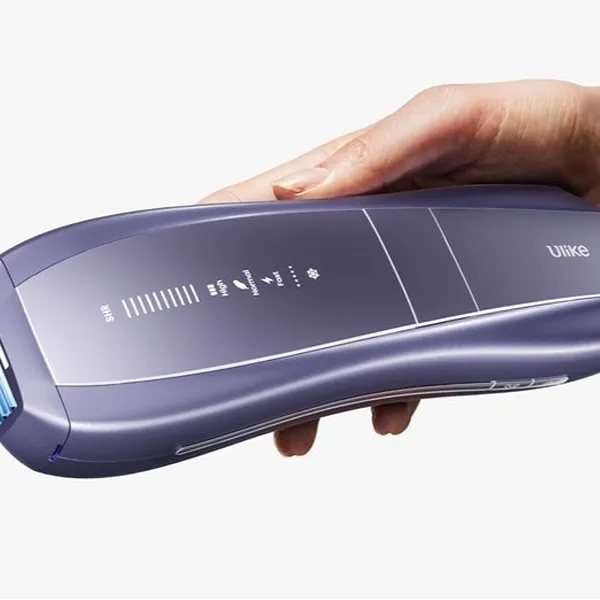
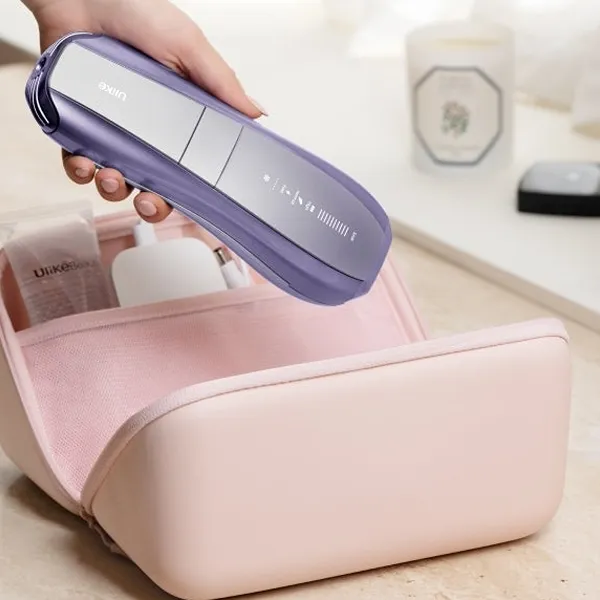
IPL is not permanent in the "no hair will ever grow again" sense. It is better understood as long-term hair reduction: with the right hair and skin match, regular sessions can make regrowth slower, finer, and easier to manage, but touch-ups are usually part of keeping the result.
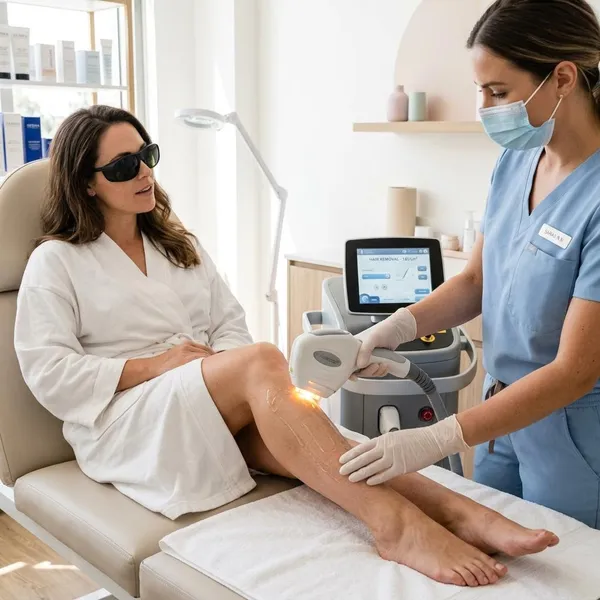
Is IPL hair removal permanent?
IPL hair removal can give a long-lasting reduction in visible hair, but it should not be treated as a promise of lifelong smooth skin. The most realistic goal is less frequent shaving, softer regrowth, and fewer obvious patches over time.
IPL provides long-term hair reduction
When IPL works well, hair does not usually disappear all at once. It tends to thin out gradually. A person treating legs for summer may notice that shaving becomes less urgent after several sessions, even though a few patches still need attention.
The useful result is often practical rather than perfect: less stubble, slower regrowth, and a smoother feel between shaves.
IPL does not guarantee permanent hair removal
Some follicles are weakened rather than fully disabled, so a "permanent removal" claim should be read carefully. IPL can reduce growth for a long time, but it cannot guarantee that every follicle will stop producing hair forever.
This matters most if you expect zero maintenance. If your goal is to stop shaving completely after one short treatment phase, IPL may feel disappointing. If your goal is to make regular grooming much easier, the expectations are more realistic.
Maintenance helps extend results
Maintenance is usually what keeps IPL results looking steady. Once the main treatment phase is finished, small touch-ups can deal with early regrowth before the area becomes dense again.
- Treat early regrowth: do not wait until the area looks like it did before IPL.
- Adjust by body area: legs may hold results longer than the chin or upper lip.
- Watch hormonal areas: facial hair can need more frequent upkeep.
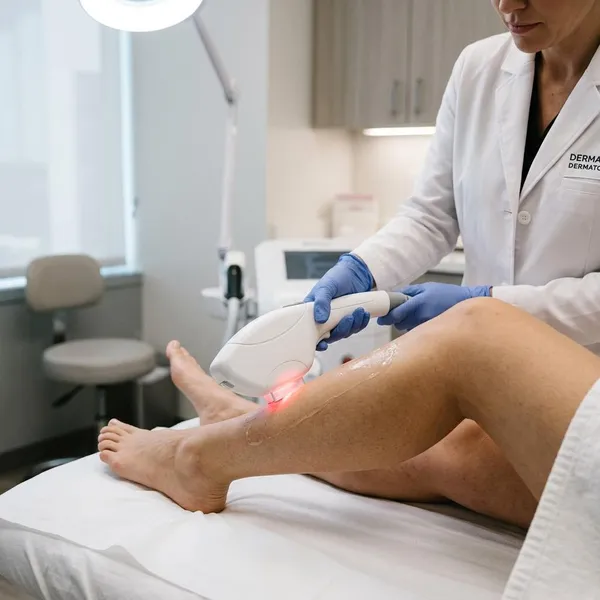
How IPL creates long-term hair reduction
IPL uses pulses of light to reach the pigment in the hair. The absorbed light turns into heat, which affects the follicle beneath the skin and can reduce its ability to produce strong visible hair.
That is why IPL feels very different from shaving or waxing. Shaving cuts hair at the surface, waxing removes it temporarily from the root, and IPL tries to make future growth weaker.
Light targets pigment in the hair
IPL works best when there is a clear contrast between darker hair and lighter surrounding skin. Dark hair absorbs the light more easily, giving the treatment a clearer target.
Very light blonde, gray, white, and some red hair often respond poorly because there is not enough pigment for the light to target. Darker skin tones also need extra care because the skin may absorb more light, so the device's tone chart and safety instructions are not optional.
Heat affects future hair growth
The heat from IPL can weaken the follicle enough that the next hair grows back finer, softer, or more slowly. It may not destroy the follicle completely, but the change can still make a big difference in daily grooming.
Hair cycles require repeated treatments
IPL only works well on hairs at the right stage of growth. Since not all hairs are active at the same time, one or two sessions are rarely enough for stable results.
- One session misses many follicles: some hairs are resting when you treat.
- Skipping weeks can reduce coverage: missed timing means missed active hairs.
- Rushing does not help: using the device more often than advised can increase irritation without improving results.

Why hair grows back after IPL
Hair can grow back after IPL for a few reasons, and it does not always mean the treatment failed. Regrowth may be lighter than before, or it may appear in areas that were harder to treat evenly.
The most common causes are partially affected follicles, missed growth cycles, and new growth influenced by hormones or natural changes in the body.
Some follicles are not fully affected
A follicle can be affected enough to slow down for a while but not enough to stop producing hair completely. This is more likely if the setting is too low, the area is treated unevenly, or the hair is too fine to absorb much energy.
Curved areas such as knees, underarms, and the bikini line are easy places to miss small patches. A careful grid-like pattern is often more useful than moving the device quickly and hoping for even coverage.
New growth can appear over time
New visible hair can appear months later because some follicles were inactive during earlier sessions. Age, body changes, and normal growth patterns can also make hair show up in places that seemed settled.
Hormones can influence regrowth
Hormonal changes can make IPL results less predictable, especially on the chin, jawline, upper lip, and other sensitive areas. Pregnancy, menopause, thyroid issues, PCOS, medication changes, or stress-related shifts may all affect hair growth.
If hair suddenly becomes thicker or appears in a new pattern, it is worth treating that as more than a device issue. In that situation, professional advice may be more useful than simply increasing IPL sessions.
How to get longer-lasting IPL results
Longer-lasting IPL results usually come from matching the device to your skin and hair, finishing the starting phase, and maintaining the areas that regrow first. Technique matters as much as patience.
Complete the initial treatment phase
Do the full starting course recommended for your device, even if the area looks better early. Early improvement does not mean all active follicles have been treated enough.
- Shave first: IPL needs the hair root present, not long surface hair.
- Follow the device timing: different brands use different schedules.
- Overlap slightly: this helps avoid striped or patchy results.
- Do not wax or pluck: removing the root gives IPL less to target.
- Pause if skin reacts badly: irritation is a sign to reassess settings and suitability.
Follow the maintenance schedule
After the initial phase, maintenance should be based on what you actually see. If underarms stay smooth but bikini-line regrowth appears sooner, those areas do not need the same timing.
Is IPL worth it for long-term hair reduction?
IPL is worth considering if you want a more convenient way to reduce hair over time and you are a good match for the technology. It is less appealing if your hair is very light, your skin tone is outside the device's safe range, or you want guaranteed permanent removal.
Think of IPL as a convenience choice, not a magic finish line. For regular body hair maintenance, it can save time over the year. For stubborn hormonal facial hair, it may still help, but expectations should be more cautious.
Worth it for convenient home treatment
Home IPL can be a good fit if appointments, travel time, or privacy concerns would stop you from sticking with clinic treatments. The easier the routine is to repeat, the better your chance of seeing gradual reduction.
It is especially practical for people treating larger, lower-risk areas such as legs or underarms. You can work in short sessions and maintain results without planning your schedule around a salon or clinic.
Worth it for gradual hair reduction
IPL makes the most sense when you are happy with gradual improvement. If shaving every few days turns into occasional touch-ups, that can be a worthwhile result even if some hair remains.
| Best fit | Be more cautious |
|---|---|
| Dark hair with a device-approved skin tone | Very light, gray, white, or red hair |
| Legs, underarms, or bikini line maintenance | Hormonal facial hair that changes quickly |
| Comfortable with repeat sessions | Expecting complete lifelong removal |
Conclusion
IPL is best judged by how much it reduces your routine, not by whether it removes every hair forever. If your hair and skin are suitable and you can keep up with the schedule, it can be a very useful long-term reduction method; if you want a one-time permanent fix, it is likely to fall short.