IPL on the neck can be a good option when the problem is mainly color: sun spots, redness, small visible vessels, or that blotchy red-brown look from years of UV exposure. It is not the right first choice for loose skin or deep neck lines, and the neck needs a more cautious approach than the face because the skin is thinner and often more reactive.
What can IPL treat on the neck?
IPL works best on visible discoloration rather than structure. If your neck looks older because of brown marks, flushing, tiny vessels, or a mixed sun-damaged pattern, professional IPL may be worth discussing. If the main issue is sagging, crepey skin, or deep horizontal lines, another treatment is usually a better match.
Sun spots and uneven pigmentation
Flat brown spots, freckles, and uneven pigmentation from sun exposure are common reasons people consider IPL for the neck. Treated spots often look darker for several days before they fade, so the area can temporarily look more speckled rather than clearer.
This is where professional settings matter. The neck is less forgiving than the cheeks, and too much heat can raise the risk of irritation or post-inflammatory pigmentation, especially if the skin is recently tanned or already sensitive.
Redness and visible blood vessels
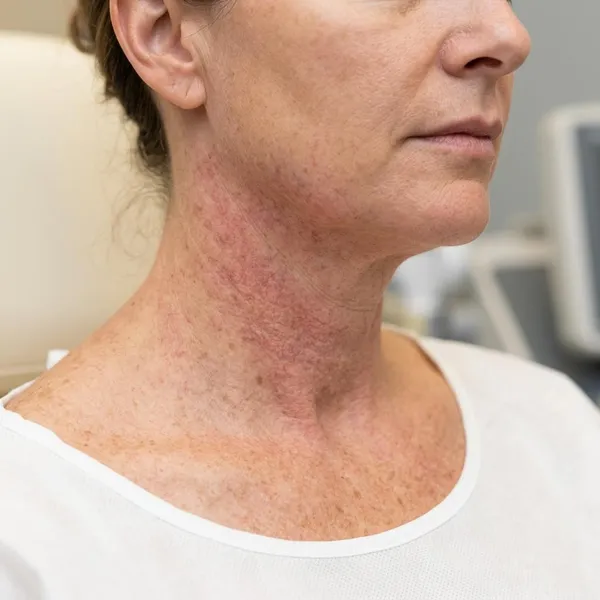
IPL can also target background redness and small superficial vessels. It is most useful when redness is spread across the neck rather than when there is one large, sharply defined vessel that may need a more specific vascular laser.
- Better fit: diffuse flushing, mild broken capillaries, sun-related redness.
- Needs closer assessment: strong flushing, very reactive skin, larger visible vessels.
- Common expectation: gradual softening of redness, not instant blank-looking skin.
Mottled red and brown sun damage
A mixed red-brown pattern is often where IPL makes the most sense. Someone whose face looks fairly even but whose neck and upper chest look patchy from years of missed sunscreen may see the biggest cosmetic difference from improving color balance, even if the actual skin firmness barely changes.
Who is a good candidate for neck IPL?
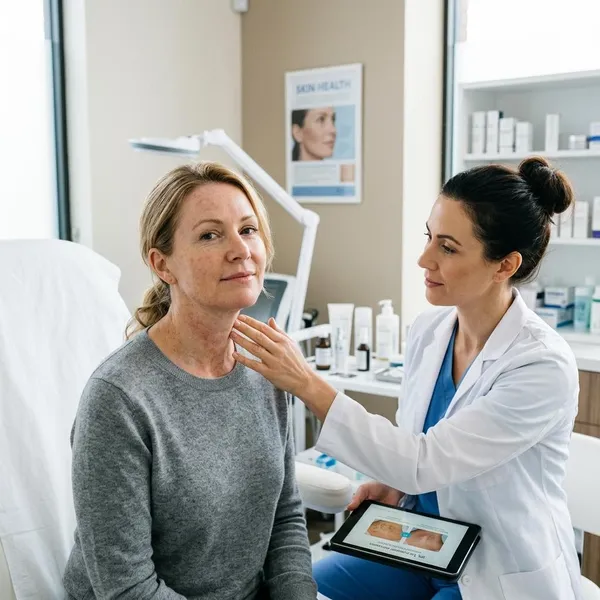
The best candidates usually have visible sun damage or redness, no active tan, and a skin tone that can be treated safely with IPL. The first thing to check is not how many spots you have, but whether your skin can handle light-based treatment without an increased risk of burns or pigment changes.
People with visible sun damage
People with flat sun spots, freckles, and uneven neck pigmentation often respond better than those whose main concern is loose or crepey skin. IPL is especially useful when the neck no longer matches the face because the face has been protected or treated more consistently.
People with redness or small visible vessels
Redness-prone necks need a more thoughtful approach than simple brown spots. If your neck flushes easily after heat, alcohol, exercise, or active skincare, mention that before treatment because conservative settings may be safer.
For mild vessels and broad redness, IPL can be practical because it covers an area rather than chasing one tiny line at a time. If the redness is painful, inflamed, or linked to a skin condition, it should be assessed medically instead of treated as ordinary sun damage.
People with a suitable skin tone for IPL
Skin tone is one of the main safety filters for IPL. Lighter skin tones often have more contrast between the unwanted pigment and surrounding skin, which can make treatment more predictable. Deeper skin tones have more natural pigment that can also absorb light, so the margin for error is narrower.
- Do not treat over a fresh tan or self-tanner.
- Ask whether your provider uses a patch test when there is uncertainty.
- Share any history of burns, blistering, melasma, or dark marks after procedures.
What happens during professional neck IPL?
A professional neck IPL appointment should feel structured, not casual. The provider checks your skin, asks about recent sun exposure and products, protects your eyes, treats the area in controlled passes, then cools and reviews the skin before you leave.
The treatment itself is usually quick, but the assessment is what lowers risk. A good provider is not just asking what you want faded; they are deciding whether your neck is calm enough to treat that day and whether IPL is the right tool.
Skin is assessed and prepared
The provider should look at your skin tone, the type of discoloration, recent tanning, active irritation, medication history, and current skincare. Retinoids, exfoliating acids, strong vitamin C, recent peels, or a sunburned neck may be reasons to delay treatment until the skin barrier is calmer.
Protective eyewear is provided
Protective eyewear is a basic safety step for IPL, even though the neck is being treated rather than the eye area. If a clinic treats eye protection as optional or casual, that is a warning sign.
Light pulses are applied across the neck
The handpiece is moved across the neck in planned sections so heat is not stacked randomly in one spot. Most people describe the feeling as quick snaps of heat, sometimes sharper on the sides of the neck where the skin can be more sensitive.
- For pigment: spots may react by darkening over the next few days.
- For redness: the skin may look flushed right away.
- For mixed damage: the provider may adjust settings or passes rather than treating every area exactly the same.
Skin is cooled and checked afterward
After the pulses are finished, the neck is usually cooled and examined for the expected response: mild redness, warmth, or slight swelling around treated pigment. You should also be told what is not normal, such as blistering, severe pain, or a reaction that keeps getting worse.
This final check helps shape the next session. If your neck reacts strongly, a cautious provider may reduce intensity, increase spacing between appointments, or reconsider whether IPL is the best choice.
What does neck IPL recovery look like?
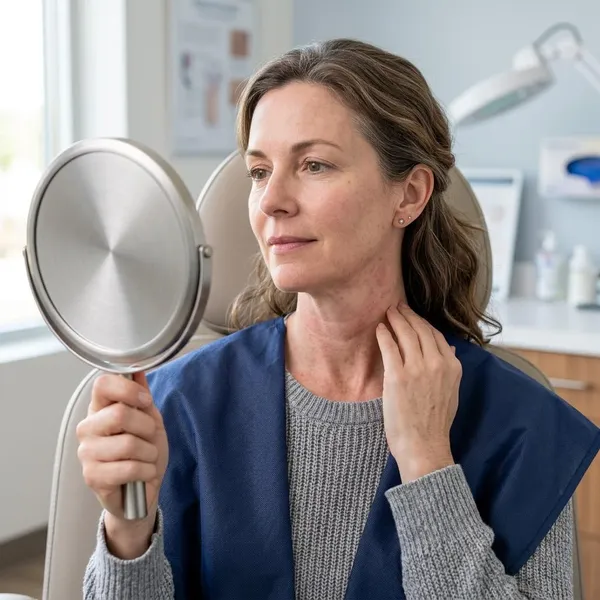
Neck IPL recovery is usually mild, but it is not always invisible. The area may feel warm, pink, slightly swollen, or dry for a short time. Brown pigment can look darker before it clears, which surprises people who expected their neck to look better the next morning.
Redness settles after treatment
Mild redness often settles within hours to a couple of days, depending on your skin and the settings used. A neck treated mainly for vascular redness may look flushed sooner than one treated mostly for brown spots. Severe heat, blistering, or increasing pain is not a typical recovery pattern and should be reported to the clinic.
Brown spots may darken before fading
Darkening after IPL can be normal for treated pigment. Freckles or sun spots may look like tiny coffee-ground specks before they gradually fade or shed.
Treated pigment gradually clears
Improvement usually appears gradually as the skin processes treated pigment. Some people notice a clearer tone after one session, while older sun damage often needs a series of treatments spaced by the provider. Think of the first session as both treatment and information: it shows how your neck responds.
How to care for your neck after IPL
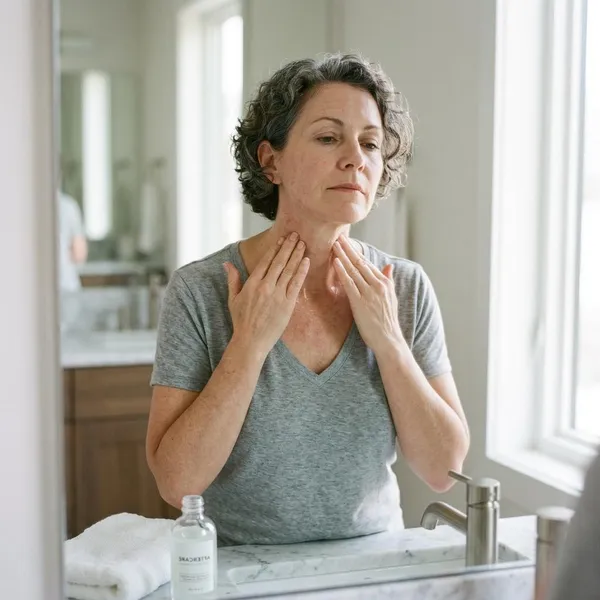
Aftercare has a real effect on the final result because the neck is exposed, mobile, and easily rubbed by collars, necklaces, towels, and hands. The priority order is simple: calm the skin first, avoid friction, then protect the area from UV every day.
Keep skincare gentle
Use a mild cleanser, lukewarm water, and a plain moisturizer that does not sting. Pause strong actives such as retinoids, exfoliating acids, abrasive scrubs, and aggressive brightening products until the skin feels normal again or your provider says they are safe to restart.
Avoid picking or scrubbing treated spots
Picking at darkened pigment is one of the easiest ways to spoil an otherwise normal recovery. Let spots flake or fade on their own, pat the area dry, and avoid rough washcloths or exfoliating gloves while the skin is settling.
Limit strong sun exposure
Direct sun can trigger new discoloration while treated skin is recovering. Shade, high collars, wide-brim hats, and planning outdoor time outside peak sun hours are practical ways to reduce exposure without staying indoors all day.
Use broad-spectrum sunscreen daily
Broad-spectrum sunscreen should cover the whole treated area, including the sides of the neck and the skin just under the jaw. Reapply when you are outdoors for longer periods, sweating, or wearing clothing that rubs the area. This habit often makes the difference between a result that lasts and sun damage that quickly creeps back.

Conclusion
IPL is most sensible for the neck when you want to improve uneven color, sun spots, redness, or a mottled red-brown pattern—not when your main goal is lifting loose skin. The safest path is to check skin tone, recent sun exposure, sensitivity, and treatment goals before booking, then treat aftercare and sunscreen as part of the result rather than an optional extra.