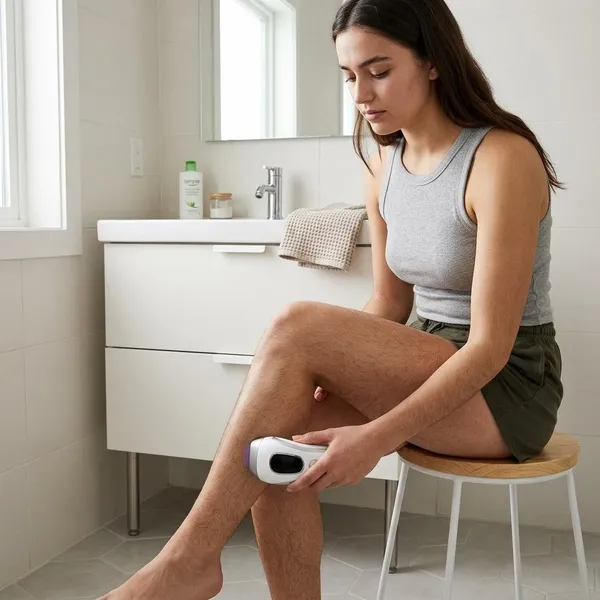
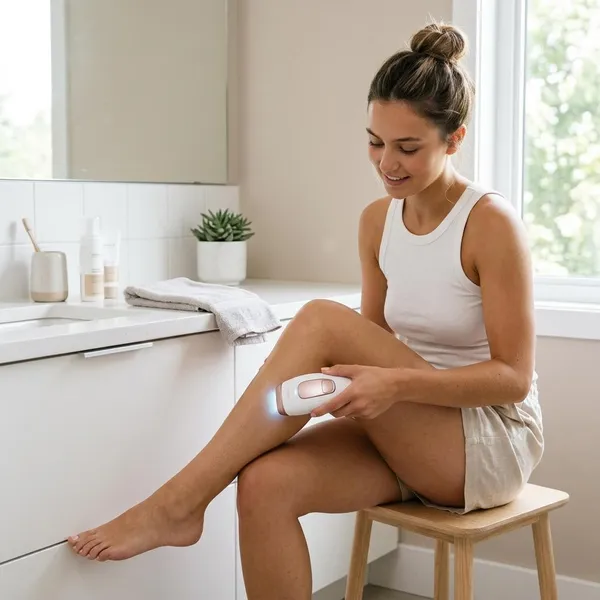
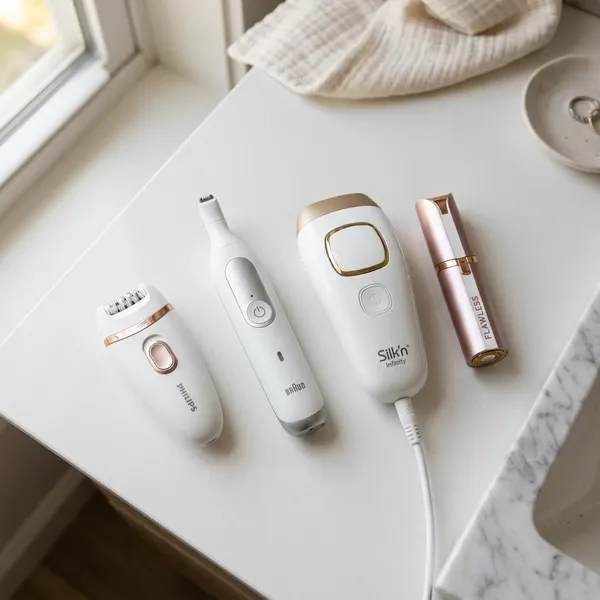
If you are comparing an ipl laser hair removal device for women, start with one question: will it actually suit your skin tone, hair color, and the areas you want to treat? Comfort, speed, and brand features matter, but compatibility comes first. A good at-home device should feel safe enough to use consistently, not just powerful on paper.
What should women look for in an IPL hair removal device?
The best IPL device is the one that fits your body and your routine. If you only treat your underarms before summer, speed may matter less. If you want legs, arms, bikini line, and facial touch-ups year-round, comfort and treatment time become much more important.
Skin and hair compatibility
Check this before looking at price or extra features. IPL usually works best when there is clear contrast between the skin and the hair, because the light targets pigment in the hair. Dark blond, brown, and black hair are usually better candidates than gray, white, red, or very light blond hair.
Do not guess from product photos. Look for the brand's skin tone and hair color chart, then compare it with the area you actually want to treat. If your skin tone or hair color sits near the edge of the approved range, choose a device with a skin tone sensor and be more cautious with intensity.
Adjustable intensity levels
Different areas need different settings. Lower legs may feel fine at a stronger level, while underarms, bikini line, and facial areas often need a gentler start. Adjustable intensity lets you treat more areas without forcing one setting onto your whole body.
Cooling for added comfort
Cooling is worth prioritizing if you have coarse hair, sensitive skin, or plan to treat more than one area in a session. It can soften the quick warm snap that some users feel during flashes.
Fast full-body coverage
Speed matters most when you treat broad areas such as legs and arms. A larger treatment window, quick flash rhythm, or glide mode can make the difference between a routine you keep and one you postpone.
For occasional touch-ups, a slower device may still be fine. For full-body use before a holiday, during summer, or as part of a long-term routine, faster coverage helps prevent rushed, uneven treatment.
Built-in safety features
Look for practical safety features, not vague "safe for home use" claims. Skin contact sensors, skin tone detection, UV filtering, and automatic flash control can all make at-home treatment easier to manage.
- Good sign: the device will not flash unless it is placed correctly on the skin.
- Useful for beginners: automatic skin tone checks or clear intensity guidance.
- Still required: reading the manual before treating sensitive or facial areas.
Which Ulike IPL device fits different needs?
Choosing between Ulike options is easier if you start with your main frustration. Are you trying to shorten long sessions on large areas, or do you mainly want a comfortable device for regular upkeep?
| Need | Better fit | Why it may make sense |
|---|---|---|
| Large areas or stubborn hair | Ulike Air 10 | Better suited to faster, more demanding routines. |
| Comfort-focused maintenance | Ulike Air 4 | A more approachable choice for steady home use. |
| First-time IPL user | Depends on sensitivity and budget | Choose the model you are most likely to use consistently. |
Where can women use an IPL hair removal device?
Most women use at-home IPL on legs, arms, underarms, the bikini line, and approved facial areas. The important word is "approved." Do not treat an area just because another device or another brand allows it.
Start with a simple area if you are new to IPL. Lower legs are usually easier than the bikini line or face because the surface is flatter and less sensitive.
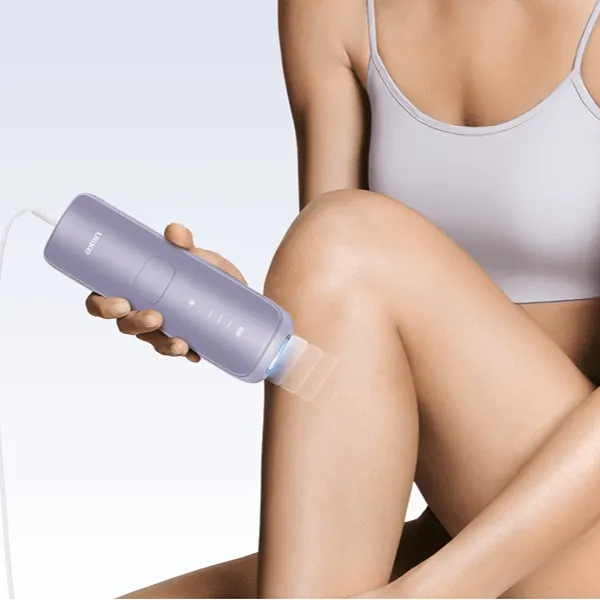
Legs and arms
Legs and arms are usually the easiest areas to learn on because they are broad and relatively flat. Keep the device fully against the skin and move in a steady pattern so you do not miss strips.
For legs, speed is not just convenience. A slow device can make you rush near the end, which leads to patchy coverage. If legs are your main area, prioritize flash speed and a comfortable grip.
Underarms
Underarms are quick to treat, but they can feel stronger because hair is often coarser there. Shave first, make sure the skin is clean and dry, and start at a lower setting until you know how the area reacts.
Bikini line
The bikini line needs more caution than legs or arms. Many at-home IPL devices are intended for the external bikini area only, so check the brand instructions before treating close to intimate areas.
A good approach is to treat less area at first, use a conservative intensity, and avoid flashing over irritated skin. If you are preparing for a holiday or swimsuit season, start weeks ahead rather than trying to rush results at the last minute.
Approved facial areas
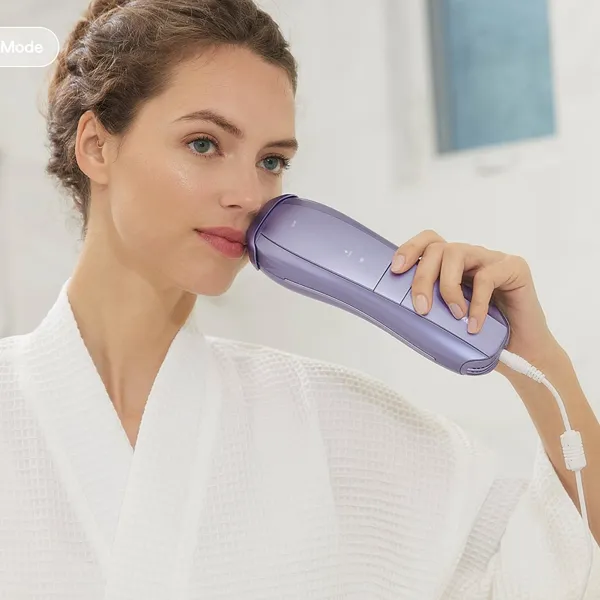
Facial use depends heavily on the device. Some Ulike IPL devices can be used on approved facial areas such as the upper lip, chin, and jawline, but facial treatment should remain below the cheekbones. Avoid the eye and eyebrow area completely, and follow the instructions for your specific device.
If you have active irritation, recent strong exfoliation, or a skin condition that makes your face reactive, pause and get professional advice before using IPL there.
What results can you expect from at-home IPL?
At-home IPL is a gradual hair-reduction routine, not instant hair removal. You should still expect to shave during the early stage, but regrowth may become slower, finer, and easier to manage with consistent use.
The clearest results usually come when three things line up: suitable skin and hair contrast, regular sessions, and realistic expectations. If you skip sessions often or treat hair that is not compatible with IPL, progress will be less predictable.
Slower hair regrowth
One early sign is that hair takes longer to come back after shaving. For someone who normally notices stubble the next day, even a small delay can make the routine feel easier.
Finer and less noticeable hair
With continued use, some regrowth may look softer or less dark. This can be just as useful as a visible reduction in hair count, especially on underarms or lower legs where dark stubble stands out quickly.
Do not judge the device after one or two sessions. Hair grows in cycles, so improvement usually needs repeated treatment according to the brand schedule.
Smoother skin between sessions
Smoother-feeling skin often comes from reducing the constant shave-stubble-shave cycle. IPL does not replace skincare, but less heavy regrowth can make skin feel calmer between hair removal days.
- Before each session: shave, then treat clean, dry skin.
- Between sessions: shave if needed, but avoid waxing or plucking.
- If skin reacts badly: stop treatment on that area and let it recover.
Ongoing maintenance over time
Maintenance is normal. Even after good early results, occasional touch-ups are usually needed because hormones, genetics, and treatment area can affect regrowth.
Conclusion
The right choice comes down to fit, not hype: check skin and hair compatibility first, then choose the Ulike device that matches how much area you plan to treat and how much comfort you need to stay consistent. If a device suits your body and your routine, at-home IPL can make hair maintenance feel much less demanding over time.