If heat is the part of home IPL that makes you hesitate, an ipl hair removal device with ice cooling tech is mainly worth considering for comfort, not because cooling replaces the light treatment. The first thing to check is still whether your skin tone and hair color are suitable for IPL; after that, cooling, intensity control, and safety features decide how easy the device will be to use consistently.
What are the benefits of ice cooling during IPL?
Ice cooling helps with the part of IPL many people notice most: the hot snap or prickly warmth during repeated flashes. It does not make every device suitable for every person, and it does not change the basic IPL process, but it can make the routine feel easier to finish.
Less heat discomfort during flashes
IPL creates warmth because light energy is absorbed by pigment in the hair. A cooled contact surface helps take the edge off the heat at skin level, so the flash may feel more like a quick warm pulse than a sharp sting. You may still feel warmth, especially on coarse hair or higher settings, so cooling should be seen as comfort support rather than a promise of zero sensation.
More comfort on sensitive areas
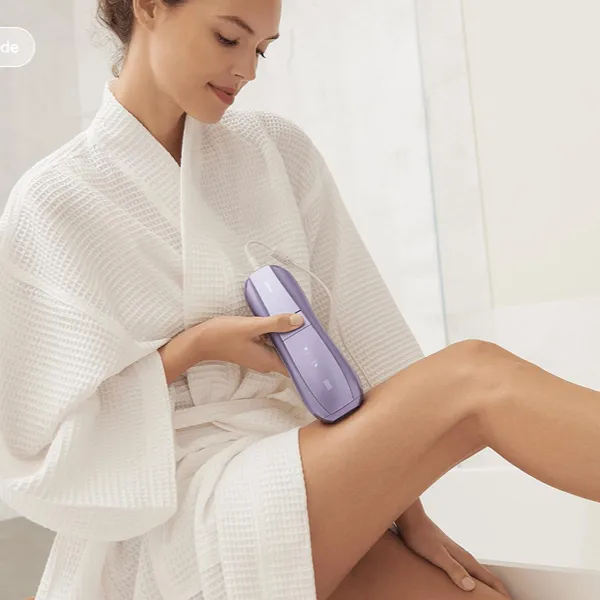
Areas such as underarms, bikini line, upper lip, knees, and ankles can feel stronger because the skin is more delicate, curved, or harder to keep flat against the treatment window. Cooling can make those spots less intimidating, which matters if you would otherwise avoid them.
For sensitive skin, start conservatively even with cooling. A lower setting and a small test area are better than assuming the cooling feature makes the device automatically gentle enough for every zone.
Easier longer treatment sessions
Cooling becomes more useful as flashes add up. A five-minute upper lip session may be manageable on many devices, but full legs, arms, chest, or several areas in one evening can feel tiring if the skin keeps getting warmer.
- Occasional small-area use: cooling is nice, but precision and suitability may matter more.
- Regular full-body use: steady cooling can make the routine easier to repeat without rushing or stopping early.
- Beginner use: a cooler feel can make it easier to keep the device flat instead of pulling away during each flash.
How do IPL and ice cooling work together?
IPL and cooling do different jobs at the same time. IPL is the hair-reduction technology; cooling is there to manage the feeling on the skin surface. That distinction is important because a device can feel comfortable and still needs the right IPL settings, compatibility, and safe use to be worthwhile.
IPL delivers light into the treatment area
IPL sends pulses of broad-spectrum light into the treatment area. Hair with more pigment absorbs that light more easily, which is why many at-home IPL devices work best on darker hair with enough contrast against the surrounding skin.
This is also why compatibility should be checked before you compare comfort features. Very light blonde, red, gray, or white hair may respond poorly, and some skin tones may not be suitable depending on the device. Shaving and waxing do not rely on pigment contrast in the same way, so IPL needs a more careful match.
Cooling lowers heat at the skin surface
The cooling plate or cooled treatment window touches the skin while the IPL flash is delivered. It helps soften the surface heat sensation, but it does not remove the need for proper contact, clean skin, and the correct intensity level.
Continuous cooling supports comfort between flashes
Some devices feel cool at first but less impressive after many flashes. Continuous or steady contact cooling is more useful because it helps keep the skin from feeling progressively hotter during a longer session.
How does Ulike fit into ice-cooling IPL?
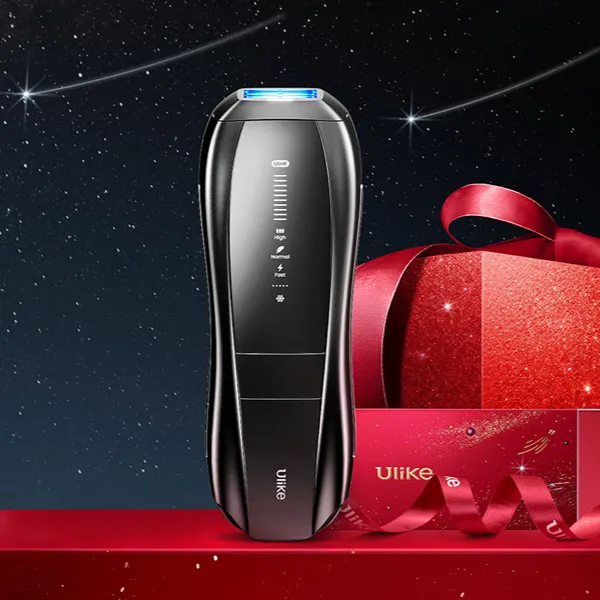
Ulike is often mentioned in this category because the brand connects at-home IPL with contact cooling as a core comfort feature. That makes it a useful example when comparing cooling-focused devices, though the right choice still depends on your own skin tone, hair color, treatment areas, and budget.
Ulike pairs IPL with contact cooling
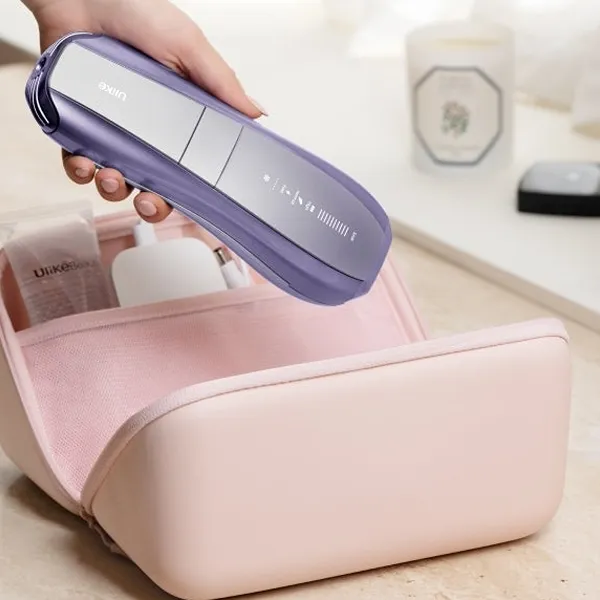
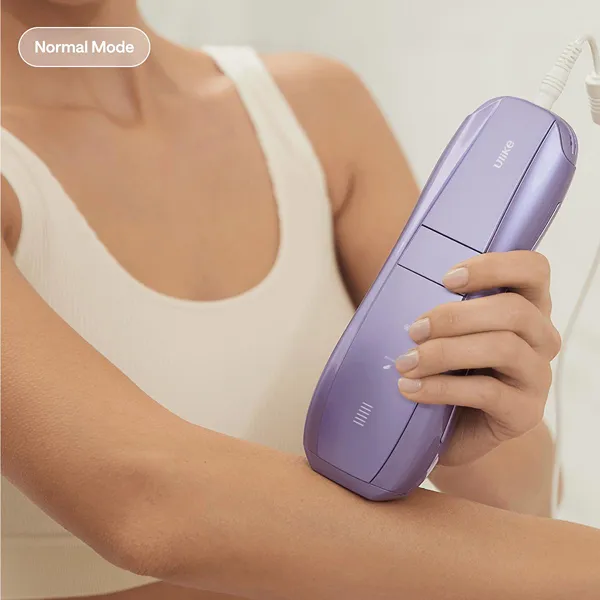
Ulike devices combine IPL flashes with a cooled contact surface, so the device is designed to target hair while making the skin feel cooler during treatment. For someone new to IPL, that pairing can make the first few sessions feel less daunting.
Ulike focuses cooling on treatment comfort
The main point of Ulike's cooling approach is usability. A device that feels less harsh on underarms, bikini line, or legs is more likely to be used on schedule, and consistency is a big part of home IPL.
Still, comfort should not be the only buying reason. If a device is not suitable for your skin and hair combination, or if it lacks the safety controls you need, a cooler touch will not make it the right match.
Ulike IPL devices come with Sapphire Ice Cooling
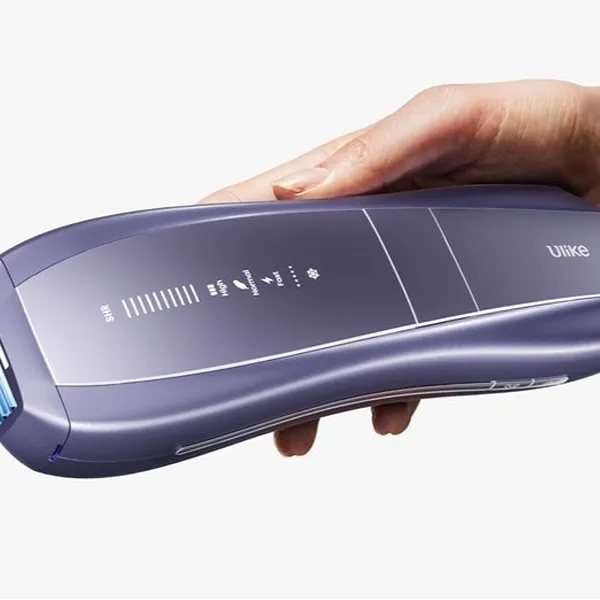
Many Ulike models are promoted with Sapphire Ice Cooling, referring to a sapphire contact surface intended to keep the treatment window cool against the skin. Treat that as a comfort feature to compare alongside intensity levels, flash speed, skin tone guidance, and how well the device shape fits the areas you actually plan to treat.
What to look for in an ice-cooling IPL device
Start with suitability, then compare comfort and convenience. The best device is not simply the coldest one; it is the one that matches your skin and hair, gives you enough control, and feels practical for the areas you will actually treat.
Consistent contact cooling
Look for cooling that stays steady throughout the session, not just a cold feeling at the first flash. This matters most on larger areas, where weak or inconsistent cooling can make the second half of the treatment feel much less comfortable than the first.
Adjustable IPL intensity
Multiple intensity levels let you adapt the treatment to different body areas. Legs may tolerate a stronger setting than the upper lip or bikini line, but the correct level should always stay within the device guidance.
- Begin low: useful when learning how your skin reacts.
- Adjust by area: do not assume one setting suits your whole body.
- Avoid chasing power: the highest level is not automatically the best choice.
Skin safety features
Skin tone sensors, contact sensors, clear compatibility charts, and eye-safety guidance are more than extras. They help prevent common mistakes, such as flashing when the device is not flat against the skin or using IPL on a skin and hair combination the device does not support.
If you have a skin condition, recent irritation, heavy tanning, or uncertainty about whether IPL is appropriate for you, be more cautious and seek professional advice before treating the area.
Fast treatment modes
Fast modes are useful when they save time without making you sloppy. Glide-style treatment or shorter flash intervals can make legs and arms more realistic to maintain, but only if you can still keep full contact and avoid going over the same patch repeatedly.
Comfortable treatment window
The treatment window should fit the areas you care about. A wider window can speed up broad areas like legs, while a smaller or better-contoured window can be easier around the upper lip, knees, ankles, or bikini line.
| Your main use | Features to prioritize |
|---|---|
| Small sensitive areas | Lower intensity options, precise window, steady cooling, good contact sensor |
| Large body areas | Consistent cooling, faster flash mode, comfortable grip, wider treatment window |
| First-time IPL use | Clear compatibility chart, patch-test guidance, beginner-friendly intensity range |
How to use ice-cooling IPL safely
Cooling can make IPL feel gentler, but safe use still comes down to the basics: check compatibility first, prepare the skin properly, test a small area, and choose a sensible intensity. Do not use a cooler-feeling device as an excuse to skip the manual or treat areas the manufacturer excludes.
Check skin and hair compatibility
Before anything else, compare your skin tone and hair color with the device chart. IPL usually needs enough pigment in the hair to absorb light, and not every skin tone is suitable for every device. If the chart says your combination is not supported, ice cooling does not change that.
Shave and clean the treatment area
Shave first, then make sure the skin is clean and dry. Remove products such as lotion, deodorant, makeup, perfume, or self-tanner unless the manual clearly says they are allowed. Clean skin helps the treatment window sit evenly and reduces avoidable irritation.
Patch test before full treatment
Test a small patch before treating a full area, especially if you are using the device for the first time or treating a sensitive zone. Wait for the response period recommended by the manufacturer and watch for unusual redness, lingering irritation, or stronger discomfort than expected.
Choose the right intensity
Pick the lowest effective starting point recommended for your skin and treatment area, then increase only if the manual allows and your skin responds well. A comfortable, controlled session is better than pushing the highest setting and ending up with irritation.
- Confirm your skin and hair match the device guidance.
- Shave, wash, and dry the area before treatment.
- Patch test before covering a full area.
- Keep the window flat against the skin during each flash.
- Follow the device schedule instead of treating more often to speed things up.
Conclusion
An ice-cooling IPL device makes the most sense if comfort is the thing that will decide whether you actually keep using it. Check compatibility first, then look for steady cooling, adjustable intensity, and sensible safety features; if those basics are in place, the right device can make at-home sessions feel much easier to stick with.