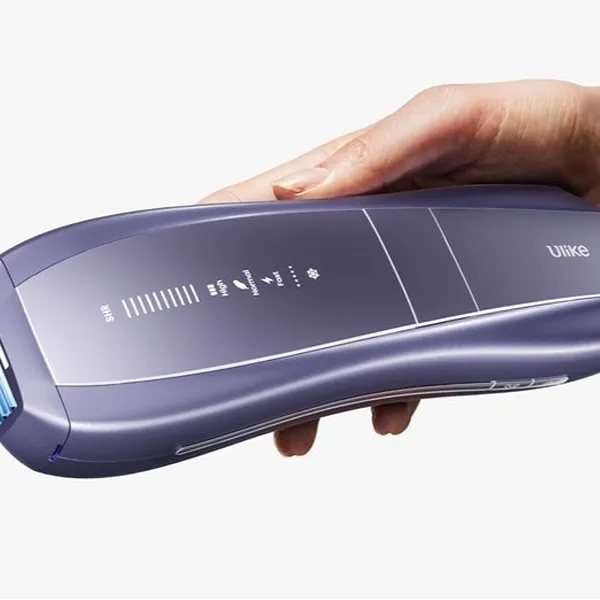
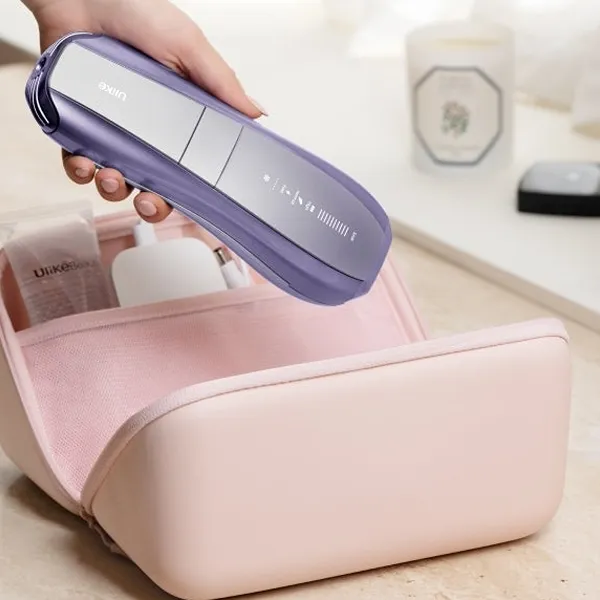
If you are comparing a handheld IPL hair removal device, start with compatibility before you look at speed, cooling, or price. IPL can be very useful for gradual at-home hair reduction, but it works best when your hair color, skin tone, treatment areas, and routine all match the device you choose.
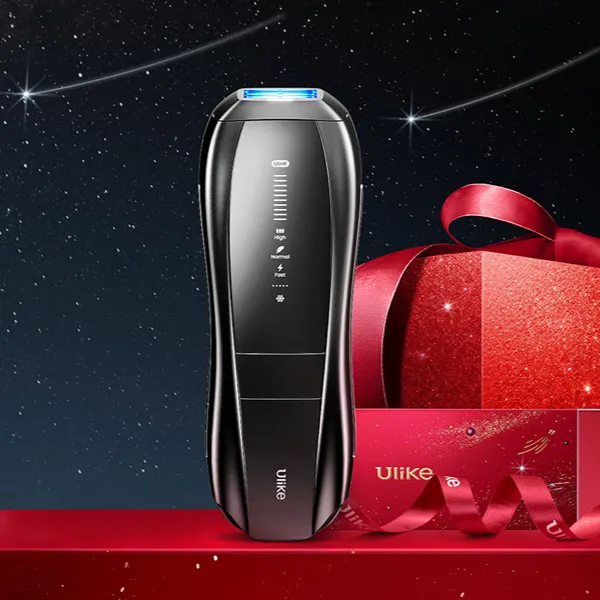
What is a handheld IPL hair removal device
A handheld IPL device is a compact light-based tool made for reducing hair growth at home. It does not pull hair out like waxing or cut it like shaving. Instead, it targets the hair follicle over repeated sessions so regrowth may become slower, finer, and less dense.
IPL uses light to reduce hair growth
IPL stands for intense pulsed light. The flashes are absorbed by pigment in the hair, creating heat that helps affect the follicle during its active growth phase. That is why dark hair usually responds better than very light blonde, gray, red, or white hair.
Skin contrast matters too. IPL generally works best when the hair is noticeably darker than the surrounding skin. If your skin is deeper in tone, or if you tan easily, compatibility checks and cautious settings become much more important because the light can also interact with pigment in the skin.
Handheld IPL is designed for home use
Home IPL devices are usually gentler and simpler than professional clinic equipment. That makes them easier to use on your own schedule, but it also means consistency matters more. Skipping sessions for weeks at a time is one of the quickest ways to get disappointing results.
What makes a good handheld IPL device
A good device is not just the most powerful-looking one. The better choice is the one that fits your skin and hair, feels comfortable enough to use regularly, and is practical for the areas you actually plan to treat.
Skin tone safety features
Start by checking the brand's skin tone and hair color chart. If your combination is outside the recommended range, do not try to "make it work" by lowering the setting. IPL is not suitable for every skin tone and hair color combination.
- Useful safety sensor: helps detect whether the device is placed on skin within its supported range.
- Adjustable intensity: lets you reduce strength for more sensitive zones or first sessions.
- Clear compatibility chart: should tell you who should not use the device, not just who can.
Cooling and comfort features
Cooling can make the difference between a routine you keep and a device that stays in a drawer. It is especially useful for underarms, bikini edges, upper lip, or anyone who finds the "warm snap" feeling distracting.
If you only plan to treat lower legs once a week, comfort may be nice but not essential. If you want year-round maintenance on several areas, cooling and a smooth contact surface become much more valuable because small discomforts feel bigger when repeated often.
Treatment speed and coverage
Treatment speed depends on the flash interval and the size of the treatment window. Larger windows help on legs, arms, chest, or back. Smaller windows are slower but can give better control near curves and edges.
Precision attachments
Precision attachments are useful when a standard window feels too large for the area. Upper lip, chin, fingers, toes, and bikini edges are common examples where control matters more than covering skin quickly.
They also reduce the temptation to overlap too heavily. On sensitive or curved areas, careful placement is usually smarter than rushing through with a broad window.
Ease of use and device quality
A device should feel easy to hold flat against the skin, with controls you can understand without stopping every few flashes. Reliable contact detection, clear indicator lights, and a comfortable grip sound like small details, but they affect whether your treatment is even and repeatable.
- Choose simple controls if you are new to IPL and do not want to manage too many settings.
- Choose better ergonomics if you will treat larger areas or hard-to-reach spots.
- Avoid vague product pages that do not clearly explain skin tone limits, approved areas, or use schedule.
Which Ulike IPL Device Fits Your Needs?
Ulike has several IPL devices aimed at different users, so the better choice depends on what you are trying to solve. A beginner shaving underarms twice a week does not need the same device as someone treating thicker body hair across larger areas.
Ulike Air 10 for faster full-body hair reduction
Ulike Air 10 is the model to consider if speed is a major concern. It makes the most sense for people who expect to treat larger areas such as legs, arms, or multiple body zones in one routine.
This is a stronger fit for long-term users than for someone who only wants occasional touch-ups before summer. If the goal is full-body consistency, saving time each session can matter more than having the cheapest device.
Ulike X for thicker male body hair
Ulike X is commonly positioned for thicker, denser body hair, including many male grooming routines. Chest, back, shoulders, and legs can take more time and may need a device that feels suitable for broader, coarser regrowth.
Ulike Air 4 for everyday home IPL
Ulike Air 4 is a practical middle option for regular home use. It may suit someone who wants a steady balance of comfort, handling, and performance without focusing only on the fastest or most specialized model.
Ulike Air 3 for beginners and simple routines
Ulike Air 3 is often the easier starting point for first-time IPL users. If you mainly want a simple routine and are still learning how your skin responds, a less intimidating device can be the better buy.
Ulike devices for sensitive skin and smaller areas
If sensitive areas are your main concern, prioritize cooling, controllable settings, and approved-use guidance over maximum speed. Upper lip, underarms, and bikini line usually benefit from slower, more careful placement.
How to use a handheld IPL device at home
Home IPL works best when you treat it like a routine, not a quick fix. The safest order is: prepare the skin, patch test, choose a comfortable setting, cover the area methodically, then follow the schedule instead of stopping as soon as hair looks lighter.
Shave and prepare the skin
Shave before IPL so the light can target the follicle below the skin instead of heating long surface hair. Do not wax, tweeze, or pluck right before treatment because those methods remove the root IPL needs to target.
Skin should be clean and dry. Skip lotion, oils, deodorant, perfume, and self-tanner on the treatment area unless the device instructions specifically allow them. If your skin feels irritated from shaving, wait until it settles rather than flashing over angry skin.
Complete a patch test
A patch test is worth doing even if you have used IPL elsewhere on your body. Test a small area with the setting you plan to use, then wait according to the brand's instructions, often around 24 hours.
Choose the right intensity
Use the highest setting that feels comfortable and is allowed for your skin tone, not the highest setting on the device. There is no prize for making IPL painful.
Legs may tolerate more than the upper lip or bikini line, so adjust by area. A lower setting used consistently is usually better than an aggressive setting that makes you dread the next session.
Treat areas evenly
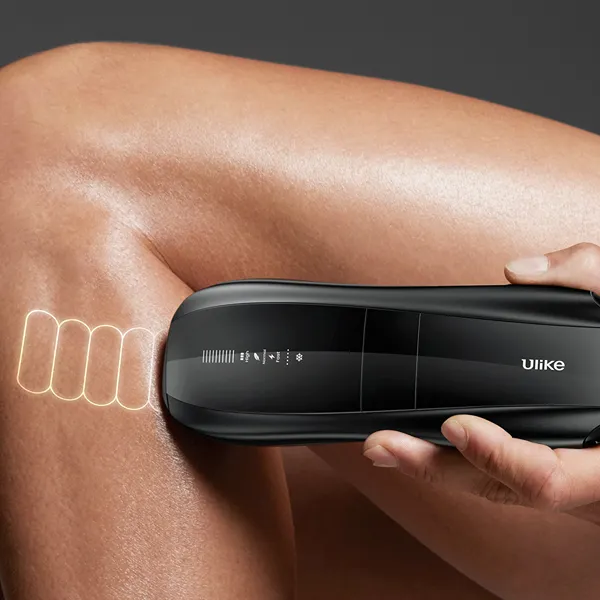
Work in small sections so you do not miss strips or flash the same spot repeatedly. Rows are easiest on legs and arms; stamp-style placement is better for small or curved areas.
- Mark the area mentally: divide it into sections you can track.
- Hold the window flat: wait for proper skin contact before flashing.
- Move with a pattern: row by row is usually easier than random placement.
- Slow down on curves: bikini edges, knees, and ankles need more control.
- Note your setting: this helps you repeat what worked next time.
Follow the maintenance schedule
Follow the device schedule closely during the early phase, then move into maintenance as directed. Hair grows in cycles, so irregular treatment may leave more follicles untreated during the stage when IPL is most effective.
Conclusion
The right handheld IPL choice comes down to fit, not hype: your skin tone and hair color decide whether IPL is sensible, while comfort, speed, and attachments decide whether you will keep using it. If a device is compatible, easy to handle, and realistic for your routine, it has a much better chance of becoming useful long term than a model chosen only for bold claims.