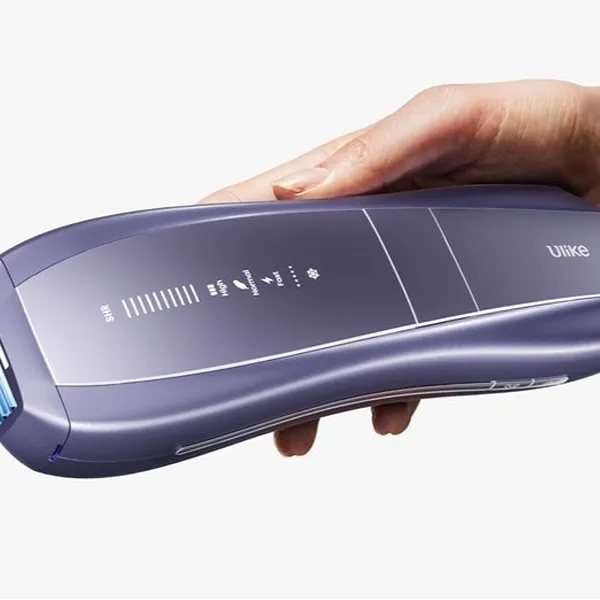
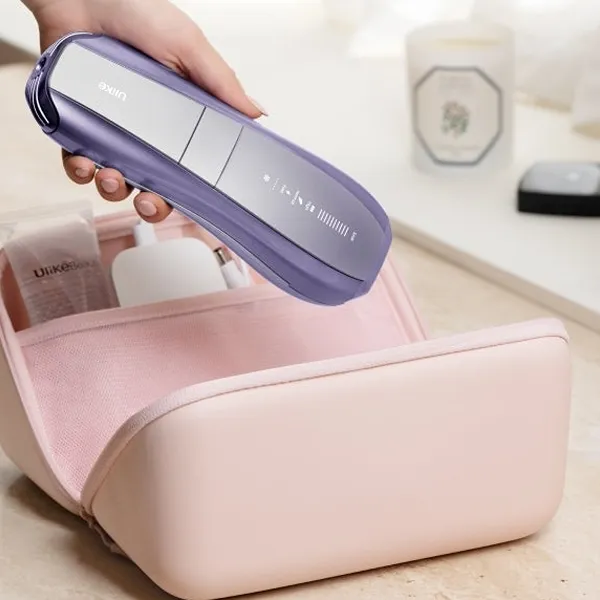
Facial laser hair removal at home can be worth trying if your facial hair is dark, your skin tone is compatible with the device, and you are comfortable treating small areas patiently. Most home tools are IPL rather than true clinic lasers, so expect gradual reduction and easier maintenance, not instant or guaranteed permanent removal.

Does at-home facial laser hair removal work
At-home facial IPL can reduce growth over time, especially on darker upper lip, chin, or jawline hair. The first thing to check is not the brand name, but whether your hair and skin create enough contrast for the light to target the follicle safely.
Think of home IPL as a maintenance tool. It may make hair grow back slower, finer, or patchier, but it usually will not leave the face permanently hair-free after a few sessions.
Helps reduce facial hair growth over time
IPL works best when repeated flashes catch hairs during active growth phases. Since facial hairs are not all in the same phase at once, one session cannot treat every follicle effectively.
Works best on dark hair with suitable skin tones
Dark brown or black hair on a compatible light-to-medium skin tone usually responds best because the device can target pigment in the hair more clearly. Blonde, gray, white, and red facial hairs often respond poorly.
- Good match: dark facial hair with clear contrast against the skin.
- Weak match: pale fuzz, gray hairs, or red hairs.
- Higher caution: deeper skin tones unless the specific device clearly approves them.
Requires regular sessions and maintenance
Consistency matters more than using the highest setting. Most devices ask for weekly or every-two-week sessions at the start, then occasional maintenance once regrowth slows.
If you want a quick fix before a weekend event, shaving or threading is more predictable. If you want fewer touch-ups over the next few months, IPL makes more sense.
Does not guarantee permanent hair removal
Home IPL is better described as long-term hair reduction. Some follicles may stay quiet for a while and then recover, especially around the chin and jawline where hormones can influence growth.
If your goal is permanent removal of stubborn facial hairs, electrolysis is usually the more definitive option. Home IPL may still be a practical first step if your hair and skin are suitable and you are mainly trying to reduce how often you remove hair.
Who is a good candidate for facial IPL
A good candidate has dark facial hair, a skin tone approved by the device, calm skin in the treatment area, and enough patience to follow the schedule. If one of those points is missing, results may be weaker or the risk of irritation may be higher.
Users with dark facial hair
Coarse dark hairs on the upper lip, chin, or jawline are more likely to respond than soft, light cheek fuzz. If the hair is barely visible unless you stand close to the mirror, IPL may not have enough pigment to work with.
Users with compatible skin tones
Device compatibility is not something to guess. Many home IPL tools are not suitable for the deepest skin tones because skin pigment can absorb more light, raising the chance of burns or pigmentation changes.
If your skin tans easily, you use self-tanner, or your tone sits near the edge of the device's chart, treat that as a reason to be more cautious, not a reason to raise the setting.
Users who can follow a treatment schedule
IPL suits people who can repeat small sessions regularly. A five-minute upper lip routine once a week is manageable for many users; a larger jawline and chin routine may require more patience and tracking.
Users without restricted skin conditions
Do not treat broken, sunburned, infected, inflamed, or freshly exfoliated skin. Be especially careful if you have active acne lesions, eczema flares, irritated rosacea, recent peels, or a history of pigmentation problems.
If you use medication or skincare that increases light sensitivity, ask a clinician or follow the product guidance before using IPL on your face.
Which facial areas can you treat at home
Most home IPL devices approved for the face are intended for small areas below the cheekbones, such as the upper lip, chin, jawline, and sometimes sideburns. The exact safe area depends on the device, so the manual matters more than general advice.
Upper lip hair
The upper lip is a common at-home IPL area because it is small and often has dark enough hair to respond. Start with a low suitable setting, keep the device stable, and avoid flashing too close to the nostrils or lip edge if the manual warns against it.
Chin and jawline hair
Chin and jawline hair can respond well when the hairs are coarse and dark, but these areas may need more maintenance if the growth is hormone-related. A useful expectation is "less daily plucking," not necessarily "gone forever."
Sideburn and cheek areas
Sideburns may be treatable if your device allows that area, but cheeks need more judgment. Defined dark sideburn hair is different from fine cheek fuzz, which often responds poorly and can be easy to overtreat.
- Treat only approved zones: do not extend toward the temples unless the manual allows it.
- Skip dark spots and moles: they can absorb extra light.
- Use good lighting: small facial contours make mistakes easier.
Areas to avoid near the eyes
Home IPL should not be used on eyelids, under the eyes, eyebrows, or close to the orbital area. Eye safety is not worth testing at home.
How to prepare your face before treatment
Good preparation makes facial IPL safer and more predictable. The aim is simple: clean skin, visible treatment zones, hair shaved at the surface, and no irritating skincare sitting on the face.
Clean and dry your skin
Wash off makeup, sunscreen, oils, and heavy skincare, then let the skin dry fully. A gentle cleanse is enough; scrubbing right before IPL can make the face more reactive.
Shave instead of removing the root
Shave the area rather than waxing, threading, or plucking before treatment. IPL needs pigment in the hair root to target, so pulling the hair out works against the treatment.
On the face, use a light hand with a small facial razor. If shaving leaves the skin red or stinging, wait until it settles before using the device.
Avoid irritating skincare products
Retinol, tretinoin, exfoliating acids, benzoyl peroxide, strong scrubs, and recent peels can make IPL feel harsher. Many users pause strong actives around treatment days, but the safest timing depends on the product, your skin, and the device instructions.
Check device instructions first
Read the facial-use section before the first session, not after something feels wrong. Look for approved facial zones, skin tone limits, patch-test timing, power levels, and whether a facial attachment is required.
If two instructions conflict, follow the more cautious one. Your face is not the place to improvise with a body setting.
How to use an IPL device on your face
The safest approach is slow, small, and methodical. Use a mirror, treat only approved areas, keep the window flat against the skin, and stop if the sensation feels sharp rather than warm or mildly snappy.
- Patch test first: try a small area and wait the time stated by the device brand.
- Map the area: decide where each flash will go before you start.
- Use steady placement: poor contact can cause missed patches or uneven flashes.
- Keep aftercare simple: gentle moisturizer and sun protection are usually the priority.
Choose the right intensity
The highest setting is not automatically better, especially on the upper lip or chin. Start at a low approved level and increase only if your skin tolerates it well.
Treat small areas carefully
Work in small sections, such as the center upper lip, left upper lip, right upper lip, then chin. This makes it easier to keep the device flat and avoid accidentally flashing the same spot twice.
Avoid overlapping flashes
Use an edge-to-edge pattern rather than stacking flashes on top of each other. Extra flashes in the same place do not speed up results in one session; they mostly add heat to the skin.
Follow the treatment schedule
Use the schedule from your device rather than guessing. Facial hair cycles mean regular sessions are more effective than random bursts of treatment.
For long-term chin or jawline hair, expect maintenance to matter. If growth is driven by hormones, you may still need occasional shaving or professional advice even when IPL helps.
Protect your skin afterward
After treatment, keep skincare bland for a day or two and avoid heat, heavy exfoliation, and tanning. Daily sunscreen is especially important on treated facial areas because irritation and sun exposure can increase the chance of discoloration.

Conclusion
Facial IPL at home is most sensible when you have dark facial hair, an approved skin tone, calm skin, and realistic expectations about maintenance. If your main concern is light peach fuzz, very dark skin compatibility, active irritation, or permanent removal of stubborn chin hairs, choose a more cautious route before investing time in a home device.