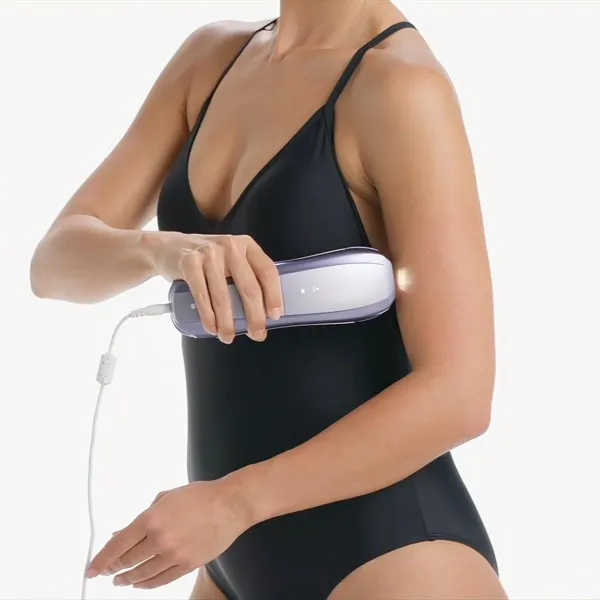
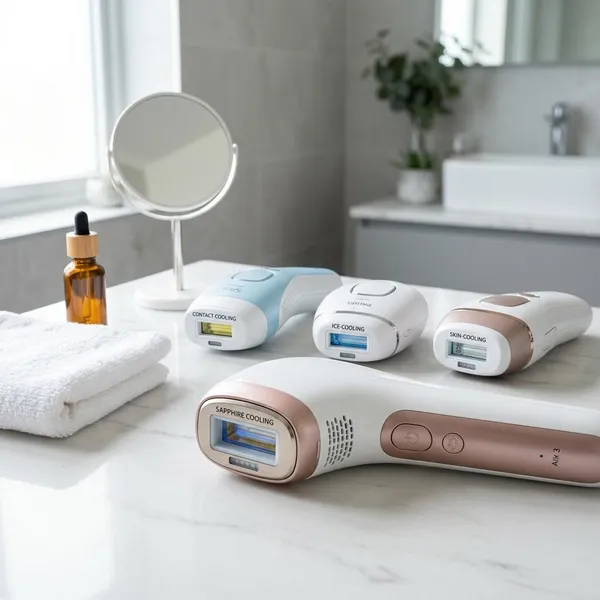
If you want the best hair removal device for legs, start with the result you actually want: instant smoothness, longer gaps between sessions, or gradual long-term reduction. For most compatible skin and hair types, IPL is the strongest choice for reducing regrowth over time; an electric shaver is better for quick fixes, and an epilator suits people who can tolerate more discomfort for longer-lasting smoothness.
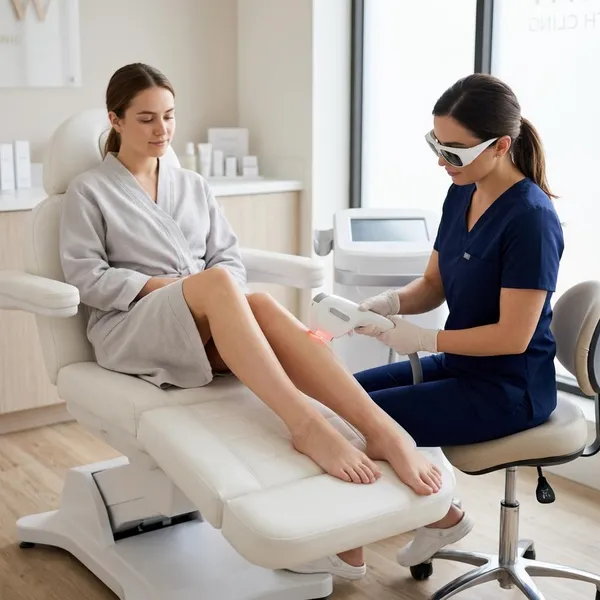
Why Choose IPL for Leg Hair Removal?
IPL makes the most sense for legs when you are tired of shaving every few days and want hair to come back finer, slower, or less densely over time. Legs are also one of the easier areas to treat at home because the surface is large, mostly visible, and easier to reach than areas like the bikini line or underarms.
It is not the right answer for everyone. If you need smooth legs for tonight, shave. If your hair is very light, red, gray, or white, IPL may not respond well. If your skin tone is outside the safe range for a device, skip IPL and choose a method that does not rely on light and pigment.
Long-term hair reduction
IPL targets pigment in the hair follicle with pulses of light, so repeated sessions can reduce how much hair grows back. It is best viewed as long-term hair reduction, not a one-time permanent removal treatment.
The clearest results are usually on darker leg hair with enough contrast against the skin. If your leg hair is pale blond or gray, an IPL device may look impressive on the box but give disappointing results in real use.
Less frequent shaving
The main everyday benefit is fewer shaving sessions once IPL starts working. That matters if you shave before wearing shorts, dresses, or swimwear and feel like stubble returns almost immediately.
- Occasional summer use: IPL can help reduce last-minute shaving if you start early enough before warm weather.
- Year-round smooth legs: IPL is more useful if you can follow the starting schedule and keep up with maintenance.
- Emergency smoothness: shaving still wins because IPL does not remove visible hair instantly.
Easy at-home treatments
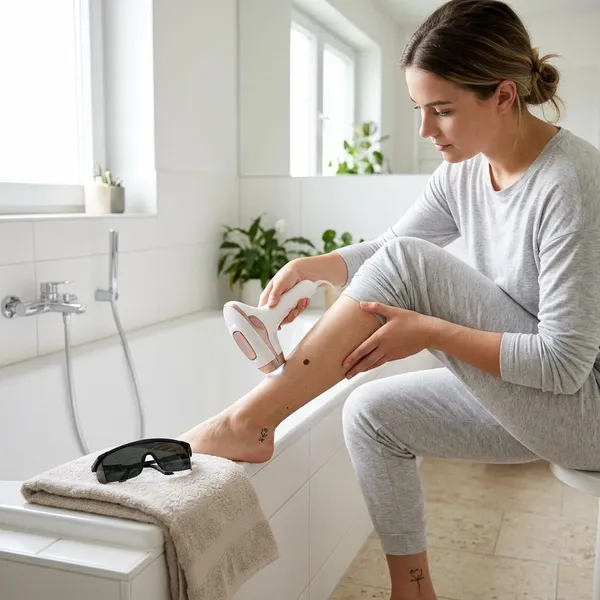
Home IPL is convenient because you can treat your legs on your own schedule instead of booking appointments. For beginners, legs are a sensible starting area because you can see what you are doing and work in simple sections.
The trade-off is consistency. A device that stays in a drawer will not reduce regrowth, so choose something you can realistically use weekly during the early phase.
Large treatment area coverage
Legs take time, so coverage is not a minor feature. A wider flash window, glide mode, and fast flash rate can make the difference between a routine you keep and a routine you abandon after two sessions.
Think about full-leg use, not just a small test patch. Calves are straightforward, but thighs, knees, and ankles need a device that can still make good contact without feeling awkward.
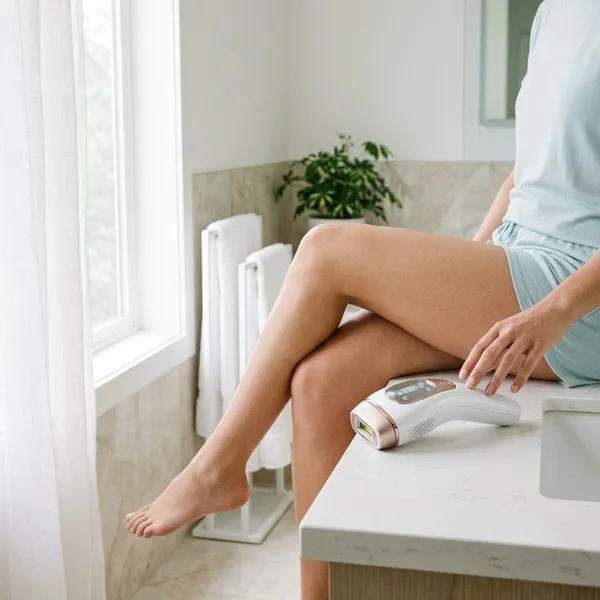
What to Look for in a Leg Hair Removal Device
The first check is compatibility, then comfort, then speed. Price matters, but it should come after the basics: a cheaper device is not a bargain if it is unsafe for your skin tone, ineffective on your hair color, or too slow for full-leg sessions.
| Best fit | Choose this option | Watch out for |
|---|---|---|
| Long-term reduction | IPL, if your skin and hair are suitable | Requires repeated sessions and proper prep |
| Fast same-day smoothness | Electric shaver or manual razor | Hair returns quickly |
| Longer smoothness without light-based treatment | Epilator | Can be painful, especially on dense hair |
| Very light touch-ups | Gentle shaving or careful buffing-style tools | Friction can irritate dry or sensitive skin |
Skin and hair compatibility
Check the device's skin tone and hair color chart before you compare prices or features. IPL generally works best when the hair has enough pigment for the light to target, which is why dark blond, brown, or black hair often responds better than very light, red, gray, or white hair.
Treatment speed and coverage
For legs, slow devices become annoying quickly. Look for a treatment window large enough for calves and thighs, plus a mode that lets you move steadily rather than stopping for every single flash.
A smaller attachment can still be useful around knees and ankles, but it should not be the only practical option. If most of your hair removal is full-leg maintenance, speed should rank higher than fancy extras.
Cooling and comfort
Comfort affects whether you will keep using the device. IPL usually feels like warmth or a quick snap, while epilators pull hair from the root and can feel much more intense, especially on thick lower-leg hair.
- Sensitive skin: choose lower intensity options, cooling features, or a gentler method.
- Thick dark hair: expect stronger sensation at first, then reassess after regrowth becomes finer.
- Dry legs: avoid friction-heavy tools if your skin already flakes or stings easily.
Adjustable settings
Adjustable intensity is useful because legs are not equally sensitive everywhere. The shin may feel easy, while ankles, knees, and the back of the thighs can react more sharply.
Safety features
For IPL, look for skin tone sensing, full-contact sensors, and a flash window that only activates when placed correctly against the skin. These features are especially helpful around curved areas where uneven contact is common.
Also avoid treating over tattoos, dark moles, irritated skin, broken skin, or fresh sunburn. If you have a skin condition, unusual pigmentation, or medication that increases light sensitivity, get medical advice before using home IPL.
Price and long-term value
Value is not just the purchase price. Shavers cost less upfront but need frequent use; epilators can last well but require tolerance for pulling; IPL devices cost more but may reduce both time and repeat hair-removal spending if they work for your skin and hair.
How to Use IPL on Your Legs Safely
Safe IPL use on legs is mostly about preparation and pattern. Confirm your skin and hair are suitable, shave first, test a small area, then treat in organized passes instead of randomly flashing around the leg.
Check skin and hair compatibility
Use the chart that comes with your exact device, not a general rule from another brand. If your combination is marked unsuitable, choose another hair-removal method rather than trying to force IPL to work.
Wait if your legs are sunburned, recently tanned, irritated, or covered with active rashes. IPL is meant for calm, intact skin.
Shave before treatment
Shave your legs before IPL so the light can target the hair below the surface without heating long hair above the skin. Clean, dry skin also helps the device sit evenly.
Do not wax, tweeze, or epilate right before IPL because those methods remove the root that IPL needs to target. If you normally wax, switch to shaving during the IPL treatment period.
Patch test your skin
Test a small area first and wait as instructed by the device brand before treating both legs. Mild temporary warmth can be normal, but strong redness, swelling, blistering, or lingering discomfort is a sign to stop.
Treat legs in even passes
Divide each leg into simple zones, such as shin, calf, knee, and thigh. Move in straight, steady lines so you can remember where you have already flashed.
- Flat areas: use smooth passes and keep the device fully against the skin.
- Knees: bend or straighten the leg to create a flatter surface.
- Ankles: slow down and adjust the angle instead of forcing repeated flashes.
- Missed spots: wait for the next session rather than over-treating the same patch.
Follow the treatment schedule
Follow the schedule for your device, especially during the starting phase. Many home IPL routines require repeated weekly or regular sessions at first because hairs grow in cycles and not every follicle is ready to respond on the same day.
If you are preparing for summer, start well before you expect to show your legs often. IPL is a gradual routine, not something to begin the night before a beach day.
Moisturize after treatment
After treatment, use a gentle, fragrance-free moisturizer if your legs feel dry or warm. Skip harsh exfoliants, strong acids, retinoids, very hot baths, and unnecessary sun exposure right after a session if your skin feels reactive.
Conclusion
Choose IPL if your skin and hair are compatible and you want less regrowth over time; choose a shaver if you need quick, low-commitment smoothness; choose an epilator only if you are comfortable with more sting for longer gaps between sessions. The best choice is the one that fits your skin, your patience, and the amount of maintenance you are willing to keep doing.