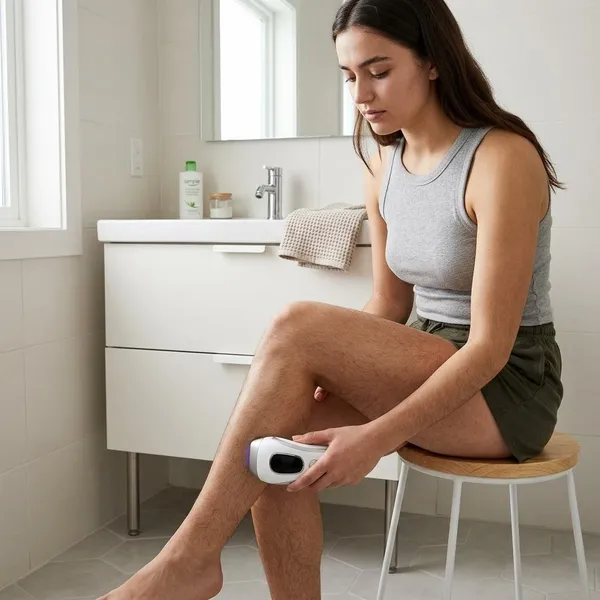
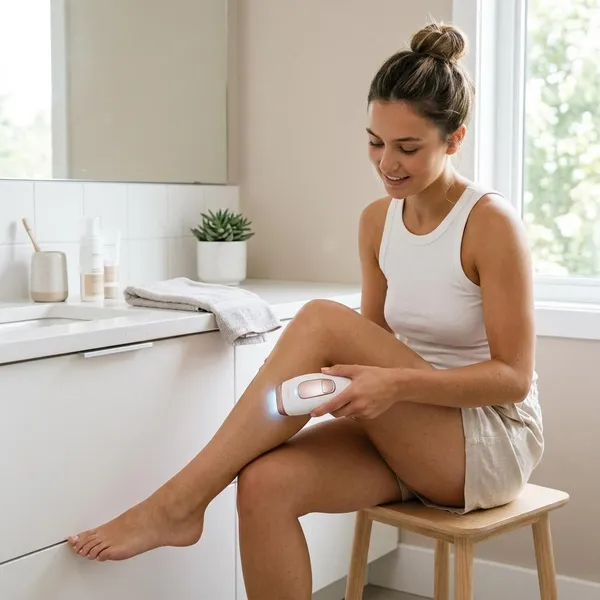
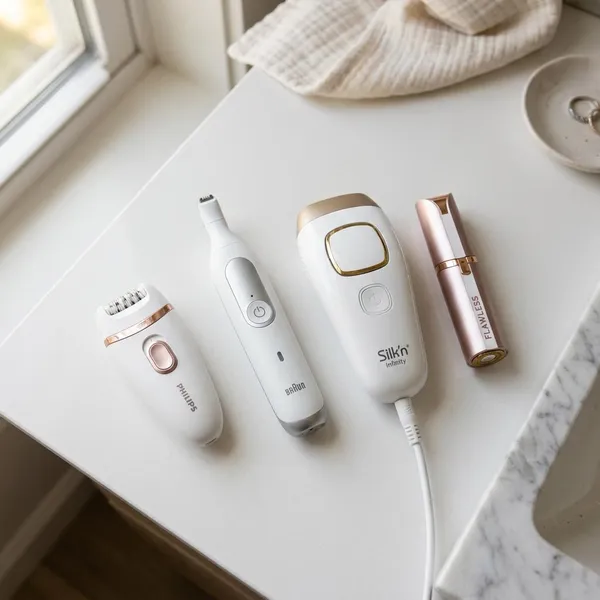
The safest IPL choice is the one that matches both your skin tone and your natural hair color, not simply the device with the best reviews. If you have fair to medium skin with dark hair, you will usually have more at-home options; if your skin is olive, brown, recently tanned, or prone to pigmentation, skin-tone sensors and official compatibility charts matter much more.
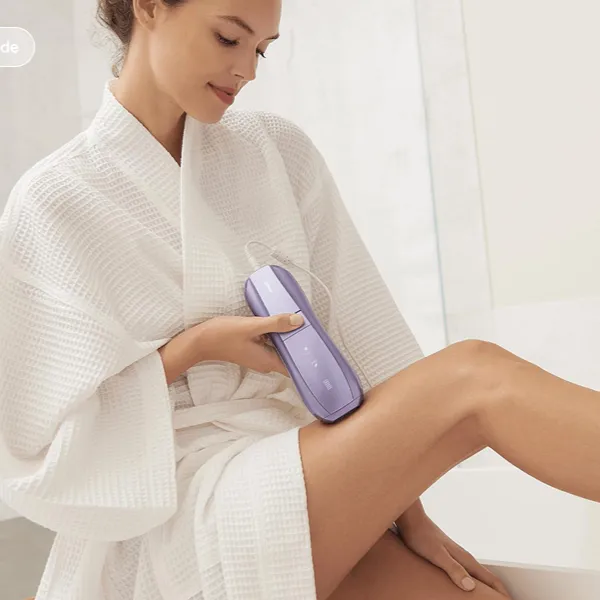
Top IPL Devices to Compare
Before comparing brands, use one filter first: is the device approved for your skin tone and hair color? After that, comfort, speed, attachments, and price become easier to judge. These three popular IPL devices are useful to compare because they lean into different strengths: cooling, automatic adjustment, and treatment-area flexibility.
| Device | Best fit for | What to check before buying |
|---|---|---|
| Ulike Air 10 | Users who want a gentler-feeling session on larger areas | Whether your tone is inside the official chart, especially if you tan easily |
| Braun Silk-expert Pro 5 | First-time users who want automatic intensity adjustment | That the sensor supports every area you plan to treat |
| Philips Lumea 9000 Series | People treating several zones with different attachments | Which face, bikini, and body areas are approved for your exact model |
Ulike Air 10
Ulike Air 10 is most appealing if comfort is the reason you might skip sessions. Its cooling feature can soften the hot snap feeling that some IPL devices create, which is useful on legs, arms, or other larger areas where treatment takes longer.
It makes the most sense for someone whose skin tone and hair color already fit the brand's approved range. Cooling is not a safety shortcut. If your skin is near the darker end of the chart, or if your bikini line and underarms are noticeably darker than your legs, patch testing and conservative settings are still important.
Braun Silk-expert Pro 5
Braun Silk-expert Pro 5 is a strong option if you do not want to keep guessing which intensity level to use. Its automatic skin tone sensing can adjust output as you move across areas that are not all the same shade, such as lower legs, knees, underarms, and bikini line.
- Good for: cautious beginners and medium skin tones within the approved range.
- Main advantage: less manual setting adjustment during a session.
- Do not assume: the sensor makes unsupported dark skin tones safe.
Philips Lumea 9000 Series
Philips Lumea 9000 Series is worth considering if you want one device for several areas rather than just legs or arms. Many kits include different attachments for body, face, underarms, or bikini use, and a better-fitting head can reduce missed patches on curved areas.
How Skin Tone Affects IPL Hair Removal
IPL works by sending light into the hair shaft so pigment can absorb that light and convert it into heat. That is why the best results usually come from darker hair against lighter skin. When the surrounding skin also contains more pigment, the device has a harder job and the risk of overheating increases.
Think of skin tone and hair color as a pair. Fair skin with black or dark brown hair is usually the easiest match. Tan skin with light brown hair, or deeper skin with dark hair, needs much more caution because the device may heat the skin along with the hair.
Melanin absorbs IPL light
Melanin is the target that makes IPL work. Dark hair contains more melanin, so it can absorb more of the light energy. Black and dark brown hair usually respond best; medium brown may work more slowly; very light blonde, red, grey, and white hair often respond poorly because there is not enough pigment in the follicle.
Darker skin absorbs more heat
Deeper skin tones contain more melanin in the skin itself, so more light energy can be absorbed at the surface. That is where burns, blistering, irritation, or post-inflammatory dark spots become a bigger concern.
Some home IPL devices may support selected brown skin tones, but support varies by model. Fitzpatrick VI skin is generally outside the recommended range for most at-home IPL devices. If your skin darkens quickly in the sun or you have a history of hyperpigmentation, a clinic consultation is safer than relying on a product page.
Skin tone sensors help control intensity
Skin tone sensors are especially useful when your body is not one even shade. Underarms, bikini areas, elbows, knees, and recently exposed skin can be darker than surrounding areas. A sensor can lower the output or stop a flash when the device reads the area as too dark.
- Most useful for: medium, olive, and light brown tones inside the approved range.
- Less important for: very fair skin with consistently dark hair, though still convenient.
- Not enough for: skin tones the brand clearly says not to treat.
Hair and skin contrast affects results
The more contrast there is between your hair and your skin, the easier it is for IPL to target the follicle. Low contrast does not always mean impossible, but it usually means slower results, stricter setting choices, and more need for a device with good safety controls.
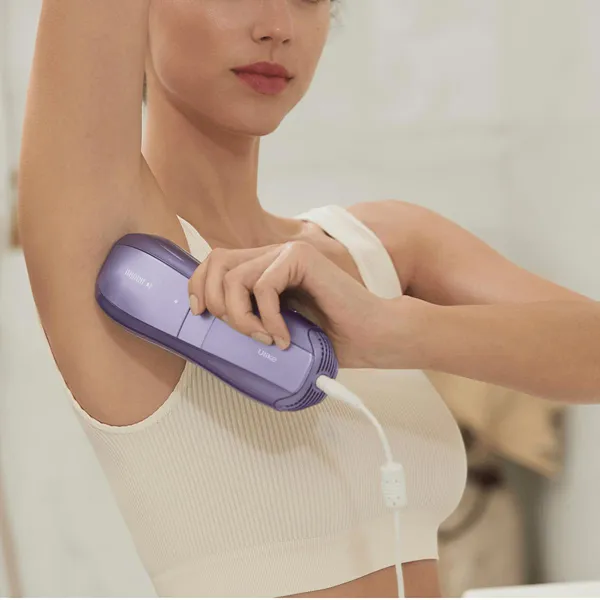
How to Choose the Right IPL Device for Your Skin Tone
Start with safety, then move to convenience. A good-looking device with fast sessions is still the wrong purchase if your skin tone or hair color is outside the approved range. The order that usually works best is: skin tone chart, natural hair color, sensors, intensity control, then treatment areas.
Check the device's skin tone chart
The official skin tone chart should be your first checkpoint. Look at your natural, untanned skin in daylight and compare it with the brand's chart, not with advertising photos. If your tone sits near the upper end of the approved range, choose a device with automatic sensing and test a small area before treating a full leg or bikini line.
Do not use IPL over a fresh tan, sunburn, tattoos, or areas with active irritation. A summer-only user who tans easily may need to pause treatment during sunny months, while someone treating in winter on untanned skin may have a safer starting point.
Match your natural hair color
Use the color at the root as your reference. Cosmetic dye, lighting, or darker-looking hair length does not change how much pigment is in the follicle. If the root is black or dark brown, IPL is usually more promising; if it is red, grey, white, or very light blonde, electrolysis may be a better use of money.
Look for automatic skin tone sensors
Automatic sensors are worth prioritizing if you are not at the fairest end of the chart or if different areas of your body vary in tone. They reduce the chance of using one strong setting everywhere, which is a common mistake with at-home IPL.
This matters most for long-term use. If you plan to treat only pale lower legs, manual settings may be manageable. If you want to treat underarms, bikini line, and face over several months, automatic sensing can make the routine safer and less mentally tiring.
Compare intensity settings and cooling
Multiple intensity settings let you start low and move up only if your skin tolerates treatment well. Cooling can make sessions more comfortable, especially on larger areas, but it should come after compatibility and sensor quality in your decision.
- Choose lower settings first if you are new to IPL or treating sensitive areas.
- Value cooling if discomfort makes you inconsistent.
- Avoid chasing maximum power if your skin tone needs a conservative approach.
Check treatment areas and attachments
Decide where you will actually use the device before buying it. A wide window is convenient for legs, but awkward for upper lip detail. A precision head can help around the face or bikini line, but only if the brand approves those areas.
For a simple leg-and-arm routine, speed may matter most. For face, underarms, and bikini use, choose a device with smaller attachments, clear zone instructions, and conservative settings. Never use IPL near the eyes, on mucous membranes, or on areas the manual excludes.
What if IPL Is Not Suitable for Your Skin Tone?
If IPL is not a safe match, forcing it is rarely worth the risk. The usual reasons are simple: your skin tone is outside the approved range, your hair is too light for the device to target, or you have a higher risk of pigmentation problems. In that case, choose the method based on what failed the compatibility check.
Professional laser hair removal
Professional laser hair removal may be the better route for deeper skin tones or anyone with a history of burns, dark marks, or irritation after hair removal. Clinics can assess your skin in person and may use laser types and settings that are not available in home IPL devices.
The trade-off is cost and appointment time, but it can be the more sensible choice for higher-risk skin. Ask the provider about experience with your skin tone, expected side effects, and how they handle patch testing before committing to a full course.
Electrolysis
Electrolysis is the better match when hair color is the main problem. It does not rely on pigment contrast, so it can treat blonde, red, grey, and white hairs that IPL often misses. Because each follicle is treated individually, it is slower, but it is especially useful for small areas such as the upper lip, chin, or scattered facial hairs.
Shaving and waxing
Shaving and waxing are still valid choices when you want predictable hair removal without light-based risk. Shaving is quick and low-cost, while waxing lasts longer but can be more irritating for sensitive skin.
Conclusion
The best choice is the device or method that fits your actual skin and hair, not the one with the boldest promise. Check the skin tone chart first, confirm your natural hair color second, then compare sensors, comfort, and attachments. If the match feels borderline, choose the more cautious route; a slower or professional option is better than turning at-home IPL into a skin problem.