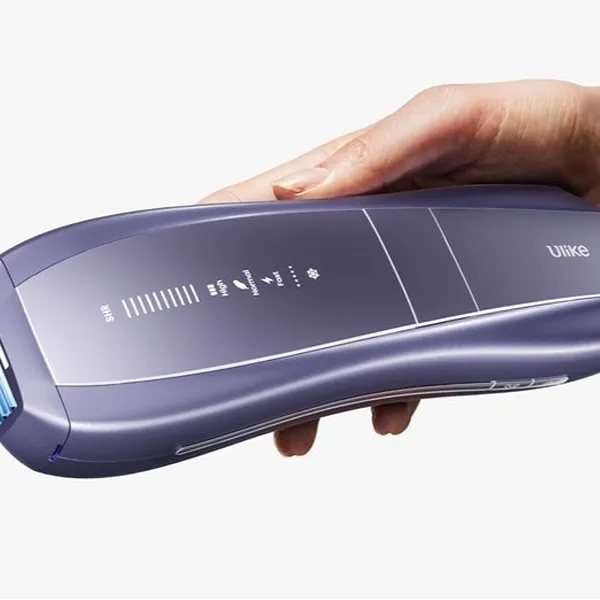
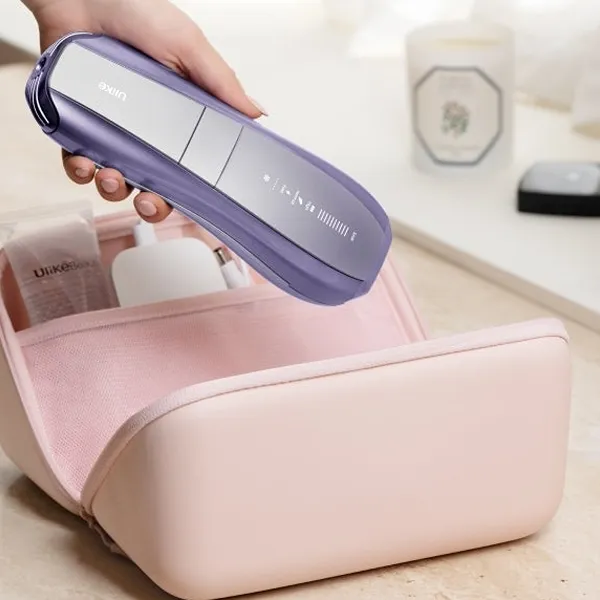
The best aftercare accessories and maintenance for home laser devices are the simple things you will actually use every session: something cooling for the skin, a bland moisturizer or aloe, sunscreen for exposed areas, and a safe way to clean and store the device. Start with skin comfort first, then clean the treatment window before residue dries, and skip anything harsh unless your device manual or your skin clearly tolerates it.
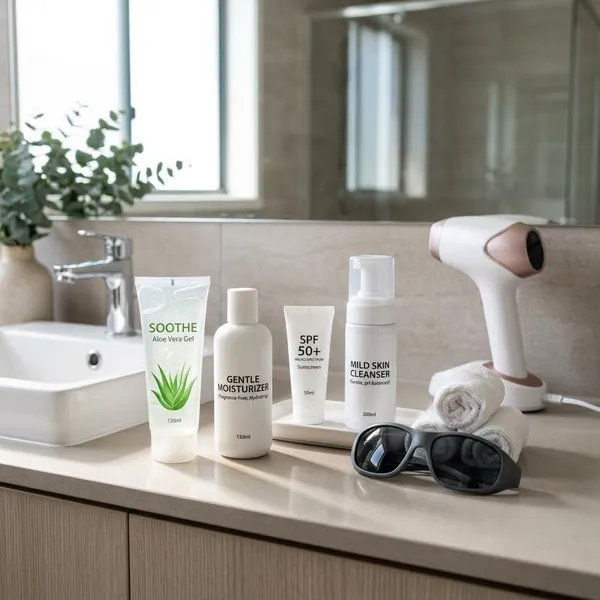
What you need after using a home laser device
A good post-treatment setup has two jobs: calm the skin and keep the device in usable condition for next time. You do not need a crowded beauty drawer for that. A small, boring kit is usually better than a long list of products that might irritate freshly treated skin.
Skin soothing essentials
For skin, the priority is to reduce heat, avoid friction, and protect the barrier. A useful basic kit includes:
- Reusable cool compress or clean damp cloth for temporary warmth.
- Fragrance-free moisturizer for dryness or tightness.
- Simple aloe vera gel if you prefer a lighter texture.
- Broad-spectrum sunscreen for any treated area exposed to daylight.
- Loose, breathable clothing for areas that rub easily.
Choose plain formulas over "repair" products loaded with fragrance, exfoliating acids, retinoids, or strong botanical blends. Skin that normally tolerates active skincare can still react differently right after IPL or laser use.
Device cleaning essentials
The main device-care item is a soft microfiber cloth, because the treatment window is easy to smudge and should not be scrubbed. Some brands allow a slightly damp cloth or specific wipes, but the manual should decide that, not guesswork.
Keep a clean pouch, case, or drawer ready before you start the session. That way, once the device is cool and wiped, it does not end up sitting on a bathroom counter collecting moisture, dust, or product residue.
Useful comfort extras
Comfort extras are not required for results, but they can stop the routine from becoming annoying. A small mirror helps with awkward angles, a phone reminder keeps treatment spacing on track, and a soft towel or headband keeps hair, sweat, and fabric away from the treated area.
For a summer routine, a handheld fan and loose cotton clothing may matter more because heat and sweating can make mild sensitivity feel worse. For year-round facial use, sunscreen, a mirror, and gentle cleanser are usually the more practical extras.
Best skin aftercare products after home IPL
The best skin aftercare products after home IPL are gentle, cooling, and easy to remove if your skin dislikes them. Think in this order: cool the skin if it feels warm, moisturize if it feels dry or tight, prevent rubbing, and protect exposed skin from sun.
Cool compresses for temporary discomfort
Use a cool compress when the treated area feels warm, tender, or slightly irritated. Wrap a chilled gel pack in fabric or use a clean cool washcloth; do not put ice directly on the skin, and do not press hard. Short, gentle cooling is enough for most temporary discomfort.
Fragrance-free moisturizer for skin support
A fragrance-free moisturizer is the safest everyday choice when skin feels dry or tight after treatment. Look for a plain lotion or cream rather than a product marketed with brightening acids, retinol, perfume, or heavy essential oils.
Aloe vera for soothing care
Aloe vera can be useful after IPL if you choose a simple gel without strong fragrance or drying alcohol. It works best as a light soothing layer for mild warmth, especially in warm weather or on areas where a cream feels too heavy.
If your skin is reactive, patch test first. Aloe is optional, not a cure-all, and it should not be used to cover up strong pain, blistering, or unusual irritation.
Sunscreen for treated areas
Sunscreen matters most on treated skin that will see daylight, such as the face, arms, legs, or neckline. A broad-spectrum SPF 30 or higher is a sensible default once the skin has calmed enough that sunscreen does not sting.
If you are treating facial hair year-round, sun protection should be treated as part of the routine, not an occasional add-on. If you only treat covered areas in winter, clothing may do most of the work, but sunscreen is still useful when the area is exposed.
Loose clothing to reduce friction
Loose clothing is one of the easiest ways to reduce post-treatment irritation on the bikini line, thighs, and underarms. Tight waistbands, synthetic leggings, rough seams, and sweaty workout clothes can make skin feel hotter and more rubbed than it needs to.
How to maintain your IPL device
Device maintenance is mostly about protecting the treatment window. If that surface becomes dirty, scratched, cloudy, or damaged, you should not ignore it, because it is the part that delivers the light to your skin.
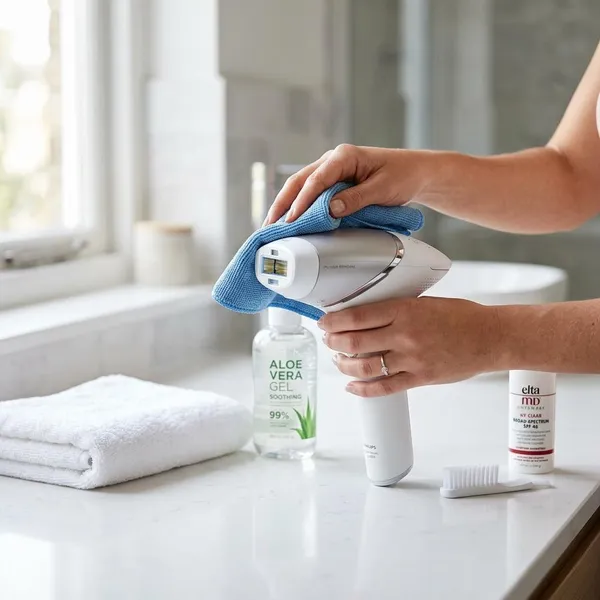
Clean the treatment window
Clean the treatment window after each session unless the manufacturer gives different instructions. Wait until the device has cooled, then check the window under good light for fingerprints, skin oil, cloudy marks, or residue from products left on the skin.
If a mark does not wipe away gently, stop and check the manual instead of scrubbing harder. Scratches or cloudiness on the window are not just cosmetic; they can affect comfort, performance, or safe use.
Use suitable cleaning materials
Use the cleaning material your device brand approves. For many home IPL devices, that means a soft microfiber cloth; for some, a lightly damp cloth or specific wipe may be allowed.
- Avoid abrasive pads, rough towels, and paper products that may scratch.
- Avoid bathroom, glass, and multi-surface cleaners.
- Use alcohol only if the manual specifically says it is safe for that model.
Check the device for damage
Before the next session, take a quick look at the treatment window, casing, cord, plug, buttons, and attachment heads. Cracks, loose parts, exposed wiring, unusual discoloration, or a window that looks different from normal are reasons to pause and contact the brand or read the troubleshooting instructions.
Store it in a dry place
Store the device in a dry drawer, case, or pouch away from steam, direct sun, and heavy objects. Bathrooms are convenient, but they are often a poor storage spot for beauty electronics because humidity builds up repeatedly.
Let the device dry fully before storing it, and avoid wrapping the cord tightly around the body. For long-term use, those small habits are more important than buying extra cleaning gadgets.
How to care for your skin after treatment
Skin aftercare should feel calm and uneventful. If the area is slightly pink or warm, that can happen, but your next steps should make the skin quieter, not more stimulated.
Avoid heat and friction
Skip hot showers, saunas, steam rooms, intense workouts, and tight clothing while the treated area still feels warm or sensitive. If an activity makes the area hotter, sweatier, tighter, or more rubbed, wait until the skin has settled.
This is especially important for underarms and the bikini line, where sweat and fabric friction can quickly turn mild tenderness into obvious irritation.
Keep skincare gentle
Use a mild cleanser if needed, then keep the area simple: moisturizer, aloe, or nothing if the skin feels fine. Avoid scrubs, perfumed body oils, exfoliating pads, and strong serums right after treatment, even if they are normally part of your routine.
Protect skin from sunlight
Protect exposed treated skin with sunscreen, clothing, shade, or a mix of all three. This is more important for facial and arm treatments than for areas fully covered by clothing, but the principle is the same: do not add UV stress to skin that is already recovering.
If sunscreen stings, wait until the heat has settled and use a gentler formula. If you cannot comfortably apply sunscreen to an exposed area, it is better to keep that area covered or out of strong sun.
Wait before using strong active products
Wait until redness, warmth, tenderness, or stinging is gone before restarting acids, retinoids, benzoyl peroxide, or strong exfoliants.
When you restart, use the active product on a small area first or resume less often than usual. Being cautious for an extra day is usually easier than calming irritation that delays your next session.
Conclusion
A reliable home laser or IPL routine does not need many products; it needs the right few steps done consistently. Cool the skin if it feels warm, keep skincare bland, protect exposed areas from sun, clean the treatment window gently, and store the device somewhere dry. If you are unsure whether to add a product or cleaning method, choose the simpler option and let the device manual and your skin's reaction set the limit.