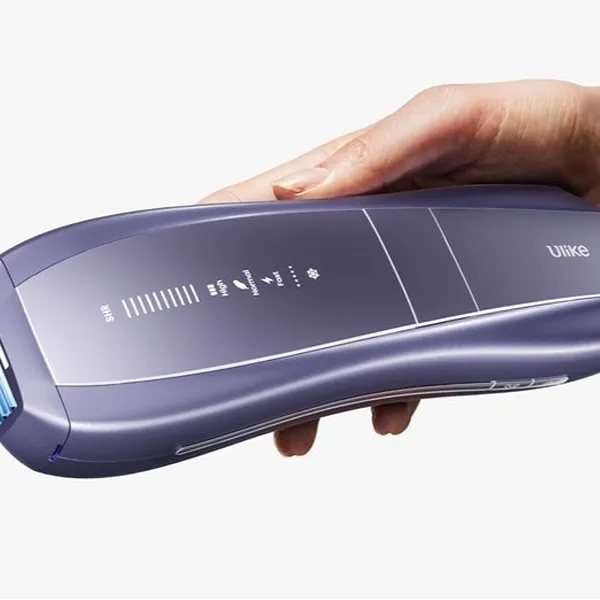
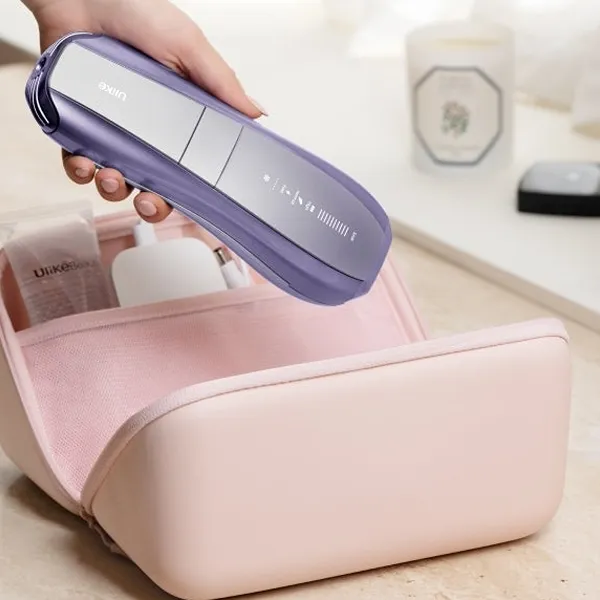
At-home laser hair removal for dark skin is only worth considering if the device clearly approves your skin tone and has conservative safety controls. The first thing to check is not the price or brand name, but whether the technology, skin tone range, and settings leave enough room to treat melanin-rich skin without overheating it.
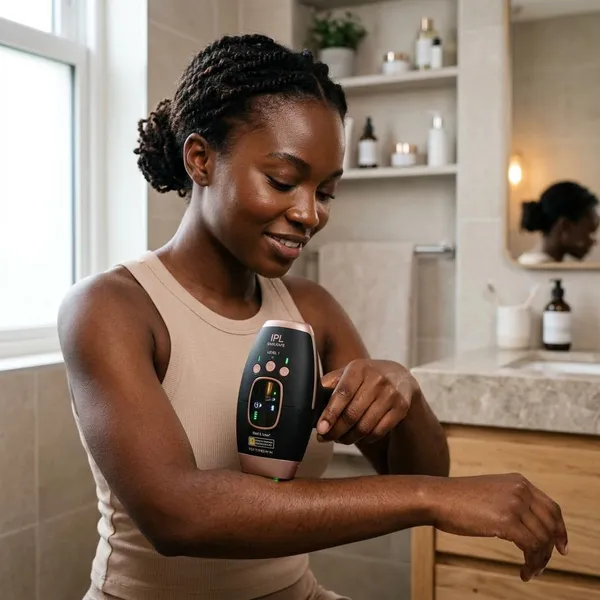
Why dark skin needs special care with light-based hair removal
Light-based hair removal works by sending energy toward pigment in the hair. On darker skin, there is also more pigment in the surrounding skin, so the device has a smaller safety margin. A setting that feels routine on lighter skin may create too much surface heat on deeper tones.
Skin melanin can absorb light energy
Melanin in the skin can absorb some of the same light energy meant for the hair follicle. That is why contrast matters: dark coarse hair on medium-brown skin is usually easier to treat than dark hair on very deep skin, because the device has less trouble separating the target from the surrounding skin.
Higher pigment levels increase burn and discoloration risks
With higher pigment levels, the main worry is not only an immediate burn. Irritation can also lead to post-inflammatory hyperpigmentation, where the treated area heals darker than before. Some people may also develop lighter patches if the skin is injured badly enough.
This risk is higher if your skin often leaves marks after acne, friction, shaving bumps, or small scratches. If that sounds familiar, treat home devices as a cautious option rather than a casual beauty tool.
Wavelength and energy control affect safety
Wavelength and energy control decide how much heat reaches the follicle versus how much stays near the surface. For dark skin, safer treatment usually depends on three things:
- A suitable wavelength or technology: more targeted light is generally easier to control than scattered light.
- Adjustable intensity: you need the option to start low instead of being locked into a strong setting.
- Skin tone sensing: a sensor can stop the device from flashing on areas outside its approved range.
IPL vs laser for dark skin
IPL and laser are often marketed as if they are the same, but the difference matters on darker skin. IPL uses a broader range of light, while laser uses a more specific wavelength. The more scattered the light, the more carefully you need to think about surface pigment.
If your skin is medium-deep, some newer home devices may be usable if the brand clearly approves your tone. If your skin is very deep brown or black, home IPL deserves much more skepticism, and professional treatment is often the safer route.
IPL uses broad-spectrum light
IPL stands for intense pulsed light. It is not a true laser, and its broad-spectrum output can be less selective on melanin-rich skin. That can mean more surface heating with less predictable hair reduction.
Diode laser offers more targeted treatment
Diode laser devices use a more focused wavelength than standard IPL, which can make them a more realistic home option for some darker skin tones. They still need clear approval for your skin type, adjustable settings, and enough contrast between your hair and skin.
Nd:YAG laser is often used for deeper skin tones
Nd:YAG laser is commonly used in clinics for deeper skin tones because its wavelength can reach deeper with less attraction to surface pigment than some shorter wavelengths. That does not make it risk-free, but it is one reason many professionals prefer it for Fitzpatrick V and VI skin.
True Nd:YAG systems are not typical home handsets. If your complexion is very deep, or you have a strong history of pigmentation changes, a qualified clinic with appropriate equipment is usually a better choice than experimenting at home.
How to choose an at-home device for dark skin
Choose the device by compatibility first, then by features. A good product page should make it easy to confirm the technology, approved skin tone range, hair color limits, treatment areas, and safety lockouts. If you have to guess, the device is not transparent enough for dark skin.
Check the approved skin tone range
Use the brand's official skin tone chart, preferably one that refers to Fitzpatrick skin types or shows clear shade examples. Many home devices stop at light to medium skin, some include medium-deep tones, and very few are appropriate for the deepest complexions.
Also check hair color. Light-based devices usually work best on dark hair; blond, gray, white, and red hair often respond poorly because they do not absorb enough energy.
Look for adjustable settings and safety sensors
For darker skin, adjustable settings and skin sensors are not bonus features. They are the difference between controlled treatment and unnecessary guesswork.
- Multiple levels: start low and increase only if your skin stays calm.
- Skin tone detection: helps block flashes on areas that are too dark.
- Manual and automatic modes: useful when moving from flat legs to smaller curved areas.
- Clear lockout behavior: the device should refuse to flash when treatment is not safe.
Confirm the technology before buying
Do not rely on the word "laser" in a headline. Check whether the device is IPL, diode laser, or another light-based system in the manual or technical details. Some products use laser-style language while selling a standard IPL handset.
Regulatory clearance, where available, can be a helpful signal, but it does not replace skin-tone compatibility. A cleared device can still be unsuitable for your specific complexion or treatment area.
Avoid devices with unclear compatibility claims
Unclear compatibility is a reason to walk away. Be cautious if the brand hides the user manual, gives no skin tone chart, avoids hair color limits, or promises universal safety without explaining how the sensor works.
How to use at-home laser hair removal safely
Safe use starts before the first flash. Read the manual, shave the area as instructed, avoid irritated or recently tanned skin, and follow the schedule instead of treating more often for faster results. More flashes do not automatically mean better results; they can simply add heat.
Think seasonally too. Skin that fits a device chart in winter may be darker after summer sun exposure, even if the change looks subtle. When your skin tone changes, re-check compatibility before treating.
Check skin and hair compatibility
Before each session, check the area you plan to treat that day. Do not treat over sunburn, fresh tan, self-tanner, cuts, active eczema, inflamed shaving bumps, or suspicious moles. If the device has a sensor, let it check each treatment zone instead of assuming your whole body is the same shade.
Complete a patch test first
Patch test on a small hidden area using the lowest suitable setting, then wait at least 24 to 48 hours. On skin that marks easily, waiting longer is sensible because discoloration does not always appear immediately.
- Stop if you see blistering.
- Do not continue through sharp burning pain.
- Watch for new dark or light patches.
- Get medical advice if the reaction looks unusual or worsens.
Start with a lower setting
Start lower than you think you need, even if the chart allows a higher level. If the area feels only mildly warm and looks normal after the waiting period, you can consider increasing within the brand's instructions. If you are treating a darker or more sensitive area, staying low may be the smarter long-term choice.
Avoid overlapping flashes
Overlapping flashes can stack heat in the same patch of skin. Work in small sections, keep the window flat, and move methodically rather than sweeping quickly. Stamp mode is often easier to control on underarms, knees, ankles, and the bikini line.
Protect skin after treatment
After treatment, keep the area calm while the skin settles:
- Cool gently: use a clean cool compress if the area feels warm.
- Moisturize simply: choose a plain, fragrance-free product if the skin feels dry.
- Pause strong actives: avoid exfoliating acids, retinoids, and harsh deodorants on the treated area until sensitivity is gone.
- Use sun protection: UV exposure can make post-treatment dark marks more likely.

Conclusion
At-home treatment can make sense for some darker skin tones, but only when the device clearly approves your shade, lets you start low, and blocks unsafe flashes. If your skin is very deep, your treatment area is naturally darker, or you often get pigmentation after irritation, professional care is the safer and more reliable choice.