If you are asking what is IPL hair removal, the practical answer is this: it is a light-based hair reduction method that targets pigment in the hair so regrowth becomes slower, finer, and easier to manage over time. It is not a one-session fix, and it is not suitable for every skin tone or hair color. The first thing to check is whether your hair has enough pigment and whether your skin tone is within the safe range for the device you want to use.
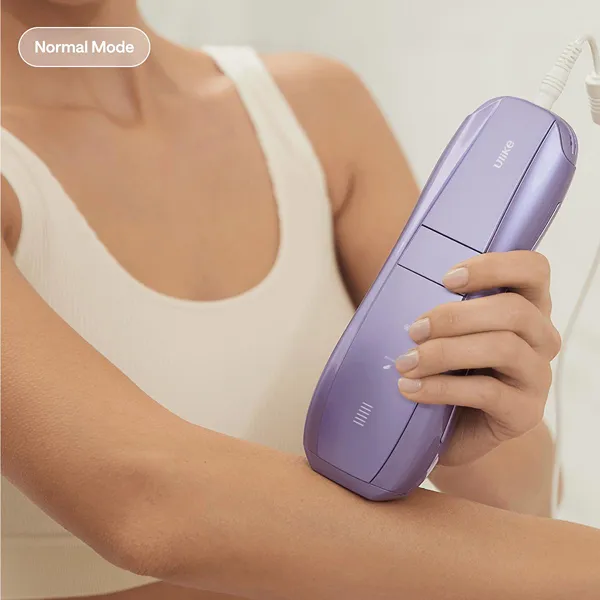
How does IPL hair removal work?
IPL stands for intense pulsed light. Instead of cutting hair at the surface like shaving, IPL sends flashes of broad-spectrum light into the skin. The light is absorbed by pigment in the hair, changes into heat, and affects the follicle so it becomes less active over repeated treatments.
The important detail is repetition. Hair grows in cycles, so one session cannot catch every follicle at the right moment. That is why IPL suits someone who wants gradual reduction over several weeks better than someone who needs instant smooth skin for one weekend.
Light is absorbed by melanin in the hair
Melanin is the pigment that gives hair its color, and IPL depends on that pigment to guide the light. Dark brown or black hair usually responds better because it absorbs more light energy. Blonde, red, gray, or white hair often responds poorly because there is not enough pigment for the device to target well.
Heat affects the hair follicle
Once the light is absorbed, it becomes heat around the hair root. That heat can weaken the follicle's ability to produce thick, fast-growing hair. The goal is controlled reduction, not burning the skin, so using the strongest setting is not automatically better.
- Good sign: mild warmth or a quick snapping sensation.
- Warning sign: sharp pain, lingering redness, or skin that feels burned.
- Common mistake: increasing intensity too quickly because results are not immediate.
Repeated sessions target different growth cycles
IPL works best when hairs are in the active growth phase, but not all hairs are active at the same time. Regular sessions give you more chances to treat follicles when they are most responsive.
What results can you expect from IPL?
The most realistic result is gradual hair reduction, not instant permanent removal. Many people first notice that stubble takes longer to come back after shaving. Later, the hair may look finer, grow in uneven patches, or need less frequent removal.
Results depend on hair color, skin tone, body area, consistency, and the device itself. Coarse dark hair on the legs, underarms, or bikini line often responds more clearly than very light hair or hormonally driven facial hair.
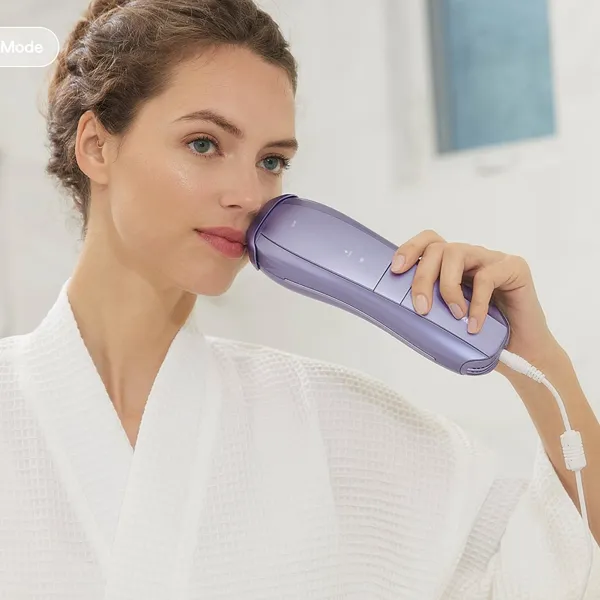
Slower hair regrowth
Slower regrowth is often the first useful change. If you normally shave your underarms every day, even stretching that to every few days can make the routine feel less annoying. On larger areas like legs, the benefit is usually more about saving repeated effort than achieving perfectly bare skin right away.
Finer and less noticeable hair
As follicles weaken, regrowth may feel softer and look less obvious. This can matter as much as the number of hairs. Someone with dark lower-leg stubble may find IPL worthwhile even before the area looks completely hair-free, simply because the regrowth is less visible between shaves.
Patchier growth between sessions
Patchy growth is normal during the process. Some follicles respond earlier than others, so you may see smooth spots next to areas that still grow hair. That uneven stage can be frustrating, but it is not automatically a sign that the device is failing.
If the same area stays completely unchanged after following the recommended schedule for a while, reassess the basics: hair color, skin compatibility, shaving before treatment, and whether the device is being used correctly on full contact with the skin.
Less frequent shaving over time
For many users, the practical win is shaving less often. IPL is worth considering if your goal is fewer rushed touch-ups, less visible stubble, and easier maintenance over time.
Is IPL hair removal permanent?
IPL is better understood as long-term hair reduction. It can reduce the amount and thickness of hair for many people, but it does not guarantee that every follicle will stop producing hair forever.
Long-term hair reduction is more realistic
A good IPL result may mean hair grows back slower, thinner, and less densely than before. For example, someone who used to shave their legs every other day may still shave occasionally, but far less often. That is still a meaningful result, even if it is not total removal.
Some hair can grow back
Some regrowth is expected because follicles do not all respond equally, and some can recover over time. Hormonal changes can also affect growth, especially on the face, chin, or upper lip.
Compared with professional laser hair removal, IPL is usually less targeted because it uses a broader range of light. Professional laser may be a better route for stubborn areas, deeper skin tones, or anyone who wants a trained provider to assess risk. At-home IPL is more about convenience and ongoing control.
Maintenance may be needed to control regrowth
Maintenance is part of normal IPL use. After the initial routine, many people switch to occasional top-up sessions when they notice regrowth returning.
- Start with the device schedule. Do not guess your own frequency at the beginning.
- Track regrowth, not just smoothness. Look for slower return, finer texture, and fewer dense patches.
- Use touch-ups early. It is easier to maintain reduction than to stop completely and restart from the beginning.
How to use at-home IPL safely
Safe at-home IPL starts before the first flash. The priority order is simple: check skin and hair compatibility, patch test, prepare the area properly, then choose an intensity that matches the device guidance. Most problems come from rushing one of those steps.
Be extra cautious if your skin is recently tanned, very sensitive, irritated, or if you are treating a more delicate area. When in doubt, skip the session and check the manufacturer's instructions rather than trying to push through discomfort.
Check skin and hair compatibility
Use the device's skin tone and hair color chart before treating any area. IPL typically works best on darker hair with enough pigment and on skin tones the device is designed to handle safely. If the device says your skin tone or hair color is not suitable, do not treat that area anyway just to test it.
Patch test before full treatment
Treat a small area first and wait the amount of time recommended by the brand, often at least 24 hours. A patch test is a small delay that can prevent a much bigger irritation problem.
Shave and clean the treatment area
Shave the area before IPL, then make sure the skin is clean and dry. Shaving leaves the hair root under the skin for the light to target, while removing surface hair that could singe or waste energy. Avoid waxing or plucking right before IPL because those methods remove the root IPL needs to act on.
- Remove products: lotion, deodorant, oils, and self-tanner can interfere with treatment.
- Avoid broken skin: do not flash over cuts, irritation, or inflamed bumps.
- Be careful around marks: follow device guidance for moles, tattoos, and dark spots.
Follow the recommended intensity
Choose the setting recommended for your skin tone and comfort level. If you are new to IPL, starting lower is usually smarter than trying to force faster results. A steady routine at a tolerable setting is more useful than one aggressive session that leaves your skin irritated.
How Ulike fits into at-home IPL
Ulike sits in the at-home IPL category: it is designed for people who want to reduce hair growth without booking clinic appointments. That convenience is useful only if you are compatible with IPL and willing to use the device consistently.
An at-home device can make sense for someone treating legs, arms, or underarms on a regular schedule. A professional clinic may be the more cautious choice if your skin tone is harder to match, the hair is stubborn, or you want expert assessment before starting.
Ulike uses IPL for home hair reduction
Ulike devices use IPL flashes to target pigment in the hair and support gradual reduction with repeated use. The appeal is control: you can treat suitable areas at home, monitor regrowth, and adjust your routine according to the device instructions.
The trade-off is that home IPL depends heavily on consistency. If you are likely to use it for two weeks and then forget about it, shaving or occasional waxing may be more realistic. If you prefer a long-term routine and want fewer salon or clinic visits, at-home IPL is easier to justify.
Ulike adds Sapphire Ice Cooling for comfort
Sapphire Ice Cooling is intended to make the treatment feel more comfortable by cooling the contact surface during flashes. That does not make IPL suitable for every person or replace the need for correct settings, but comfort can help you stick with the routine.
Conclusion
IPL is worth considering if your goal is less maintenance, not instant permanent hair removal. Check compatibility first, use the device patiently, and judge success by slower, finer, less frequent regrowth rather than a flawless result after one session. If your hair color, skin tone, or treatment area falls outside the safe-use guidance, it is better to choose another method or ask a professional before starting.