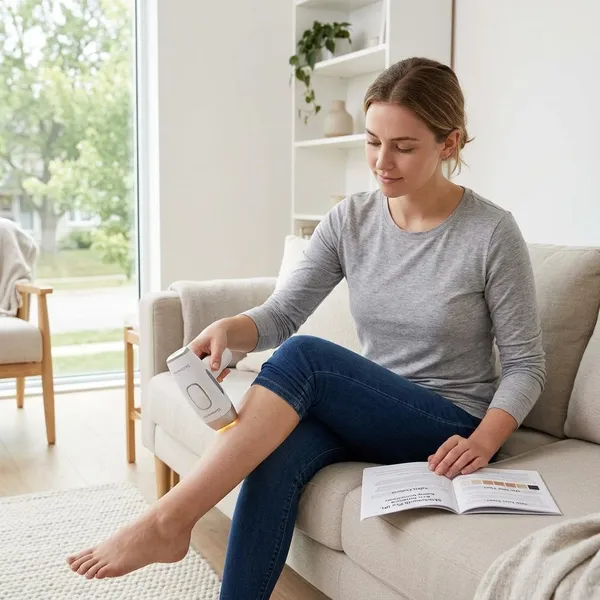
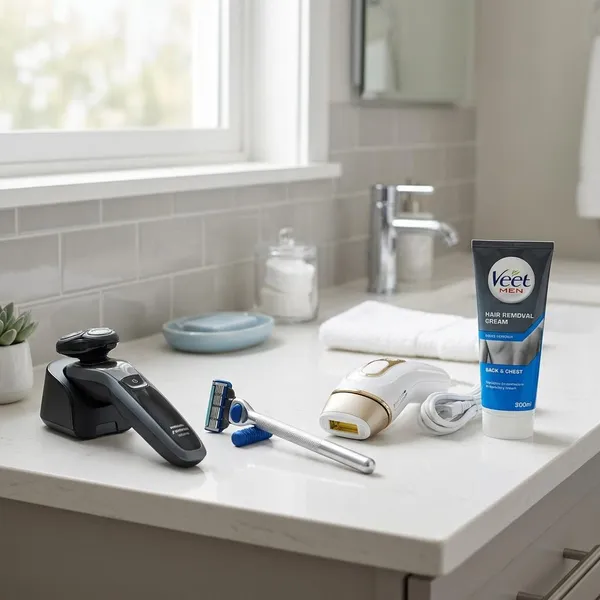
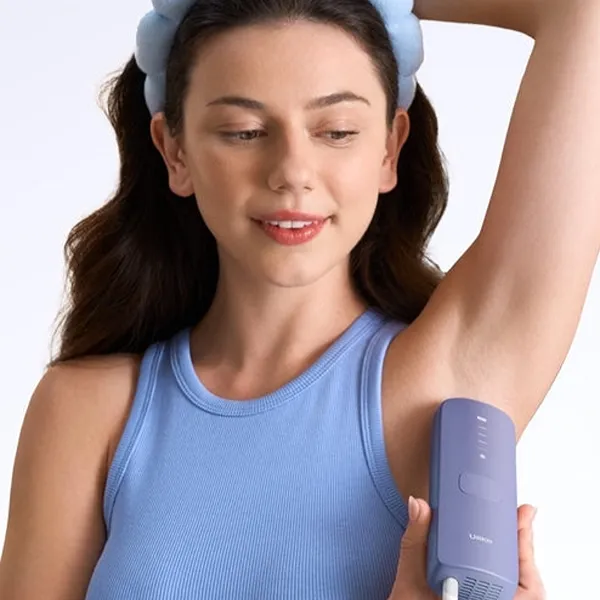
IPL is safe for many people, but only when your skin tone, hair color, treatment area, and device settings are a good match. The biggest risks are not cancer or DNA damage; they are burns, irritation, eye exposure, and temporary or lasting pigment changes when IPL is used on the wrong skin, the wrong area, or at too high an intensity.
Is IPL safe for all skin tones?
IPL is not equally safe for every skin tone. It works by sending light energy into pigment, so the safest match is usually darker hair against lighter skin. As the skin itself contains more melanin, there is less room for error because the skin can absorb more of the light before it reaches the hair follicle.
Higher melanin can absorb more IPL energy
Melanin is the reason IPL can target hair, but it is also the reason some skin tones need extra caution. If there is a lot of pigment in the surrounding skin, the flash may heat the skin surface instead of focusing mainly on the hair follicle.
Darker skin can have a higher risk of pigment changes
On darker or recently tanned skin, irritation from IPL can trigger darker patches, lighter patches, or uneven tone. These changes may fade, but they can last far longer than the redness from the treatment itself.
If your skin commonly leaves dark marks after acne, shaving bumps, or insect bites, be more conservative. A patch test is useful, but a dermatologist or experienced provider is safer if you are already prone to pigmentation problems.
Device compatibility matters for safe treatment
A home IPL device being sold to consumers does not mean it is suitable for every consumer. Some devices are intended only for fair to medium skin with naturally dark hair, while others include sensors that stop the flash if the skin is outside the approved range.
- Check skin tone range first: if your tone is outside the chart, do not "try a lower setting" as a workaround.
- Check hair color next: grey, white, red, and very light blonde hair often respond poorly because there is not enough pigment.
- Check the body area separately: a device approved for legs may not be approved for every facial or intimate area.
Professional guidance helps with higher-risk skin tones
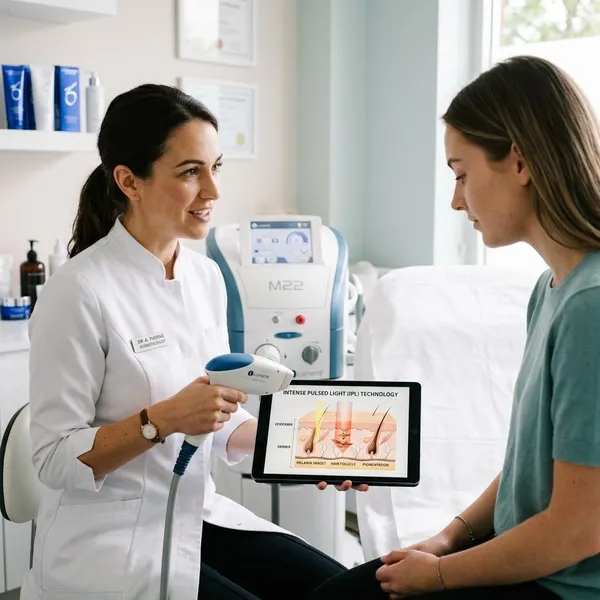
Professional help is worth considering if your skin is deeper, easily irritated, recently tanned, or prone to melasma or dark marks. A trained provider can judge whether IPL is a good option or whether a different light or laser system would be more appropriate.
Is at-home IPL safe?
At-home IPL can be safe when the device is approved for your skin and hair type, used only on approved areas, and started cautiously. Home devices usually have lower energy than professional systems, but lower energy does not make them harmless.
Check your skin tone and hair compatibility
Start with the manufacturer's chart before you charge the device or choose an intensity. Your skin should fall inside the approved range, and the hair should contain enough pigment for IPL to target it.
If you tan easily, recheck before each treatment phase. Skin that was suitable in January may not be suitable after several sunny weekends or self-tanner use.
Patch test before full treatment
A patch test is a small safety check that can prevent a much larger mistake. Treat a small area at the recommended setting, then wait 24 to 48 hours before doing the full area.
- Acceptable signs: mild warmth, slight redness, or a brief snapping sensation.
- Warning signs: blistering, sharp pain, swelling that worsens, or obvious darkening or lightening.
Use only approved treatment areas
Use the device only where the manual says it can be used. Many at-home models allow legs, arms, underarms, and bikini line, but rules for the face, male facial hair, nipples, and intimate areas vary by device.
Follow the recommended intensity and schedule
More flashes and higher settings do not automatically mean better results. IPL works gradually across hair growth cycles, and overuse mainly adds heat stress to the skin.
If you are using IPL for occasional maintenance after earlier treatments, you may need a different rhythm than someone starting from scratch. In both cases, the manual's schedule should be the ceiling, not the minimum you try to beat.
Stop if your skin reacts badly
Bad reactions are a signal to stop, not proof that the treatment is working. Lingering burning, blistering, severe swelling, or visible color change means you should pause treatment, keep the area gentle and protected, and seek medical advice if the reaction is significant.
What areas should you avoid with at-home IPL?
At-home IPL should not be used on areas where pigment, thin skin, irritation, or eye exposure makes the risk higher. The manual is the first rule, but there are also common no-go areas that are easy to overlook when you are trying to get a neat result.
Tattoos and permanent makeup
Do not use IPL over tattoos, microblading, permanent eyeliner, lip blush, or cosmetic beauty marks. Pigment in ink can absorb the flash strongly, which may cause burns, blistering, pain, or unwanted fading.
Leave a clear margin around tattooed skin instead of trying to treat right up to the edge. A few untreated hairs are easier to manage than a burn over ink.
Dark or suspicious skin spots
Avoid moles, raised dark spots, and any mark that is changing, irregular, bleeding, or unfamiliar to you. These areas can absorb extra energy, and suspicious lesions should be checked by a healthcare professional rather than covered up with cosmetic treatment.
Broken or irritated skin
Skip IPL on cuts, scrapes, rashes, sunburn, active eczema, infected follicles, or skin that has just been treated with strong exfoliants or peels. Irritated skin is more likely to sting, burn, or leave post-inflammatory marks.
If the area is red from shaving or friction, wait until it looks calm again. Staying on schedule is less important than treating intact skin.
Areas your device does not approve
If the manual excludes an area, do not improvise. This includes areas near the eyes, eyebrows, genitals, inside the nose or ears, and any body part your specific device does not list as approved.
One device may allow facial use below the cheekbones, while another may not. Treat the device instructions as model-specific safety limits, not as general suggestions.
How to make IPL hair removal safer
The safest IPL routine is simple: match the device to your skin and hair, prepare the skin properly, use conservative settings, avoid overlap, and protect the area afterward. Most preventable problems come from rushing one of those steps.
For regular home use, build a repeatable habit rather than making each session a guess. Keep a note of the setting used, the body area treated, and how your skin looked the next day if you are prone to sensitivity.
Shave and clean the treatment area
Shave before IPL so the light is not wasted heating hair above the skin. Wash and dry the area, then remove lotion, deodorant, makeup, oils, or self-tanner that could interfere with the flash or make the skin harder to judge.
Do not wax or pluck right before IPL. Those methods remove the hair root that the light is meant to target.
Keep skin free from recent tanning
Recent tanning is one of the clearest reasons to delay IPL. Extra pigment from sun, tanning beds, or a strong self-tan can increase heat absorption and raise the risk of burns or blotchy color changes.
Start with an appropriate intensity
Choose the setting recommended for your skin tone and body area, not the highest level you can tolerate. Mild snapping can be normal, but sharp pain, lingering heat, or skin that looks grey-white or intensely red is a reason to stop.
Avoid repeated flashes on the same spot
Overlap is a common burn trigger. Work in small sections or rows so you know where the device has already flashed, especially on curved areas such as knees, ankles, underarms, or the bikini line.
- Stamp mode: place, flash, lift, and move to the next spot.
- Glide mode: move slowly enough to avoid stacking flashes in one area.
- If you lose track: leave the area rather than flashing it again "just in case."
Follow your device's aftercare advice
Aftercare helps keep a mild reaction from becoming a bigger one. For a short period after treatment, avoid hot showers, harsh exfoliants, fragranced products, heavy friction, and strong sun on the treated area if your device advises it.

Conclusion
IPL is a reasonable option when your skin tone, hair color, device, and treatment area all line up; it becomes a bad idea when you have to bend the rules to make it fit. Check compatibility first, avoid tanned or irritated skin, and be extra cautious with darker skin tones, tattoos, moles, and facial areas. If the safety margin feels unclear, a professional opinion is a better choice than guessing with repeated flashes at home.