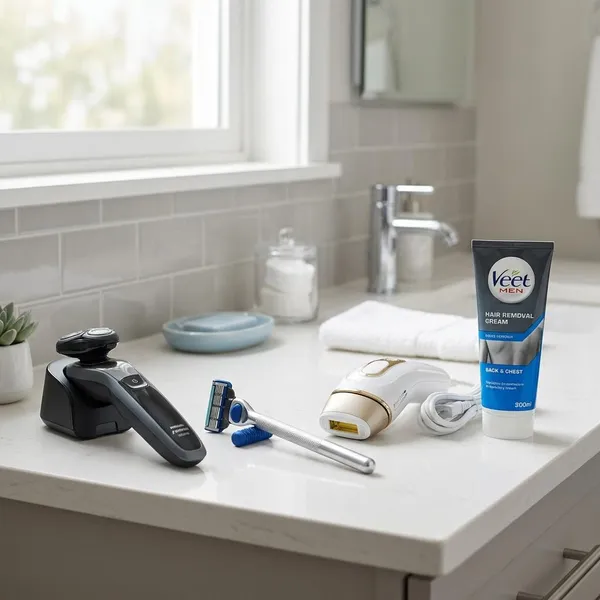
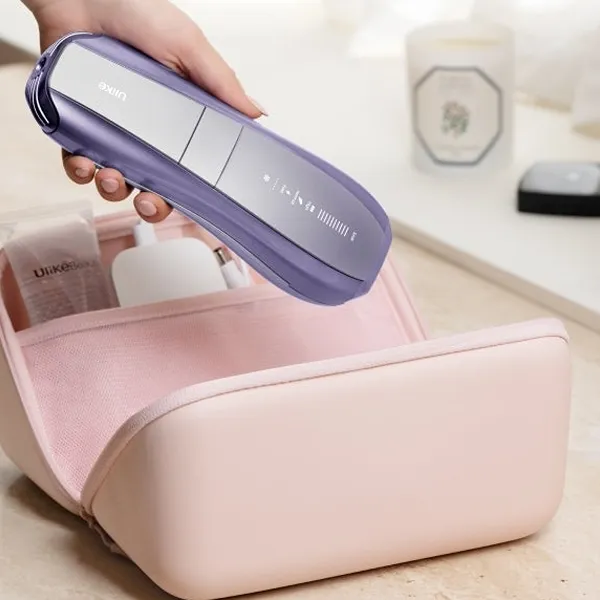
If you are asking whether laser hair removal devices cause cancer, the reassuring answer is that current evidence does not show a cancer link when laser or IPL devices are used properly. The bigger safety question is not cancer, but whether your skin, hair color, treatment area, and device settings make burns, irritation, pigment changes, or eye injury more likely.

Why Is Laser Hair Removal Not Linked to Cancer?
Laser hair removal and IPL are not considered cancer-causing because they use non-ionizing light. That matters because cancer risk is mainly associated with radiation that can directly damage DNA, such as ionizing radiation, or with ultraviolet exposure from sunlight and tanning beds.
No ionizing radiation
Laser and IPL hair removal devices do not use ionizing radiation like X-rays or gamma rays. Their light does not have enough energy to break DNA bonds in the way radiation linked to cancer can.
This is why a warm or stinging feeling during treatment should not be confused with radiation damage. The sensation comes from heat around the hair follicle, which is also why the wrong intensity or repeated flashes can still injure the skin.
No UV-based tanning exposure
Hair removal devices are not tanning beds. Tanning exposes skin to ultraviolet radiation, which is a known skin cancer risk; laser and IPL devices use selected light wavelengths to target pigment in hair rather than create a tan.
Sun exposure still matters, though. If you use a device on skin that is sunburned or newly tanned after a beach weekend, the skin may absorb heat less predictably and react with redness, blistering, or dark marks. That is a skin-safety issue, not proof that the device causes cancer.
Heat targets hair follicles
The treatment works because pigment in the hair absorbs light and converts it into heat. That heat weakens the follicle over repeated sessions, which is why dark hair usually responds better than very light, gray, or red hair.
- Best-case situation: compatible skin tone, dark hair, no fresh tan, and the correct setting.
- Higher-risk situation: darker or recently tanned skin, irritated skin, moles, tattoos, or use too close to the eyes.
For most people, those practical conditions matter far more than the word "laser."
What Are the Real Risks of Laser Hair Removal?
The real risks are mostly visible skin or eye problems: irritation, burns, blisters, pigment changes, eye injury, and changes to moles or other pigmented spots. These risks are usually linked to poor device matching, aggressive settings, recent sun exposure, or treating areas that should have been avoided.
A useful priority order is: first check whether the device suits your skin and hair, then check whether the treatment area is clear of moles, tattoos, irritation, or sunburn, and only then think about convenience or speed. Trying to get faster results by turning up the intensity is one of the most common mistakes.
Skin redness and irritation
Redness, warmth, and small bumps around the follicles are common after treatment. They usually settle within hours or a couple of days, especially if you keep the area cool, avoid friction, and skip harsh skincare until the skin feels normal again.
Be more cautious if the area already has shaving cuts, eczema, acne, or sensitivity from exfoliating acids or retinoids. Treating already-stressed skin turns a mild cosmetic session into a much easier way to get prolonged irritation.
Burns and blisters
Burns and blisters can happen when too much energy is absorbed by the skin instead of the hair. This is more likely with an unsuitable device, settings that are too high, overlapping flashes, or skin that has recently darkened from sun exposure.
Skin pigmentation changes
Pigment changes can show up as darker or lighter patches after inflammation. They are more likely when the skin overheats, when aftercare is rough, or when treated skin gets strong sun exposure while it is still sensitive.
This risk matters even when the reaction is not medically serious. A small burn on the lower leg or bikini line may heal, but the leftover mark can last much longer than the irritation itself.
Eye injuries
Eye injury is uncommon but serious enough to treat carefully. Intense flashes should never be aimed toward the eyes, and facial use should stay within the device's approved areas.
- Use protective eyewear if the device or provider requires it.
- Do not treat eyebrows or areas the manual excludes.
- Avoid mirrors or reflective surfaces during facial treatment.
- Stop if positioning feels awkward or you cannot keep the device stable.
Changes to treated moles
Moles should not be treated casually with laser or IPL. The heat can irritate, darken, lighten, or crust the area, which may make it harder to notice whether a mole was changing for another reason.
This does not mean the device created melanoma. The concern is that a suspicious or changing spot should be assessed clearly, not altered by a cosmetic device first. The same cautious rule applies to tattoos, dark birthmarks, and unexplained pigmented marks.
Are At-Home Laser Hair Removal Devices Safe?
At-home laser and IPL devices can be safe for the right person using the right device carefully. They are usually made with lower energy than professional systems, but that does not mean they are suitable for every skin tone, hair color, or treatment area.
They tend to make the most sense for low-risk, routine use: for example, someone with compatible skin and dark hair who wants gradual maintenance on the legs or underarms. They are less ideal if you have many moles, darker skin outside the device's approved range, a history of pigment problems, photosensitivity concerns, or uncertainty about a skin lesion.
Lower energy than professional devices
Home devices use lower energy so they can be used without a trained operator. The trade-off is slower, less dramatic hair reduction compared with many clinic treatments.
That slower pace is where some users get into trouble. Using extra flashes, shortening the waiting time between sessions, or choosing the highest setting too soon may increase irritation without improving the result.
Skin and hair compatibility limits
Compatibility is both a safety issue and a results issue. Many devices work best when there is clear contrast between skin and hair, such as lighter skin with dark hair.
| Situation | What it usually means | Better next step |
|---|---|---|
| Dark hair with approved skin tone | Most likely to respond predictably | Start with the recommended setting and patch test |
| Blond, gray, white, or red hair | May not absorb enough light | Check whether the device is expected to work before buying |
| Deep skin tone or recent tan | Higher chance of excess heat in the skin | Use only if the device specifically approves your tone |
Device-specific safety features
Skin-tone sensors, contact sensors, cooling features, and preset intensity levels can reduce mistakes, especially for beginners. They are helpful guardrails, not permission to ignore the rest of the instructions.
A sensor may stop a flash on skin outside its range, but it cannot reliably judge whether a mole looks suspicious, whether you used strong skincare the night before, or whether a facial area is too close to the eye.
Risks from improper use
Improper use is the main reason at-home devices cause problems. The usual pattern is not complicated: someone skips the patch test, treats over a mole or tattoo, uses the device on tanned skin, or keeps flashing the same patch because they want faster results.
- Match first: confirm your skin tone, hair color, and body area are allowed for that exact device.
- Patch test: try a small hidden area and wait 24 to 48 hours before treating more skin.
- Stay clean and simple: use on clean, dry, shaved skin without lotions, irritation, or sunburn.
- Do not chase speed: follow the schedule instead of increasing intensity or overlap.
How to Use Hair Removal Devices Safely
Safe use starts before the first flash. If you only remember one rule, make it this: do not treat skin that is irritated, recently tanned, tattooed, mole-covered, or outside the device's approved range.
For occasional users, the main risk is forgetting the basics between sessions. For long-term users, the risk is becoming too casual because previous sessions went fine. A quick check each time is what keeps the routine safe.
Check your skin before treatment
Look over the area in good light before every session. Check for sunburn, cuts, rash, active irritation, new dark spots, or moles that have changed in size, shape, color, or texture.
If something looks different, skip that spot or postpone the session. Losing one treatment window is much easier than dealing with a burn or confusing a mole that should have been checked by a clinician.
Avoid moles and tattoos
Work around moles, tattoos, dark birthmarks, and unexplained pigmented marks. These areas can absorb more energy than surrounding skin, which raises the risk of burning, crusting, fading, or unwanted color change.
If a mole sits in the middle of the treatment zone, do not simply flash over it for convenience. Marking or covering it may be appropriate only if the device instructions allow that method; otherwise, leave a safe gap around it.
Patch test before use
A patch test is a small delay that can prevent a large reaction. Treat a small, discreet area at the suggested starting level, then wait 24 to 48 hours and check for pain, blistering, unusual redness, or darkening.
Repeat the patch test when your skin tone changes with the season, when you open a new device, or when treating a more sensitive area such as the face or bikini line.
Follow device instructions
Device instructions matter because different models are tested for different areas, skin tones, settings, and treatment patterns. Do not assume that rules from one device apply to another.
- Use the approved zones only. Facial limits are especially important.
- Shave if instructed. Surface hair can increase heat and discomfort.
- Avoid heavy overlap. More flashes on the same spot can mean more irritation.
- Stop for sharp pain. Heat and mild snapping can be expected; intense pain is a warning sign.
Protect your skin afterward
After treatment, keep the area calm: avoid hot showers, heavy workouts, harsh exfoliants, fragrance-heavy products, and rubbing until the skin feels normal. If it is pink or warm, a cool compress and bland moisturizer are usually more useful than adding active skincare.
Sun protection is especially important on exposed areas. Treated skin that gets strong UV exposure while irritated is more likely to develop dark marks, so cover up or use broad-spectrum sunscreen when the area is exposed.

Conclusion
Laser hair removal devices are not known to cause cancer, but they still deserve careful use. If your skin and hair match the device, the area is clear, and you avoid moles, tattoos, fresh tans, and aggressive settings, the main risks become much easier to control. When a mole looks unusual, your skin reacts strongly, or your situation falls outside the device guidance, getting professional advice is the safer call.