The right back hair removal device is the one that matches your main problem: reach, skin irritation, thick hair, or getting the closest possible shave. If you want a smooth finish for a beach trip or event, a manual back shaver usually wins; if you want easier weekly upkeep with fewer nicks, an electric model is often the safer buy.
What Types of Back Hair Removal Devices Are Available?
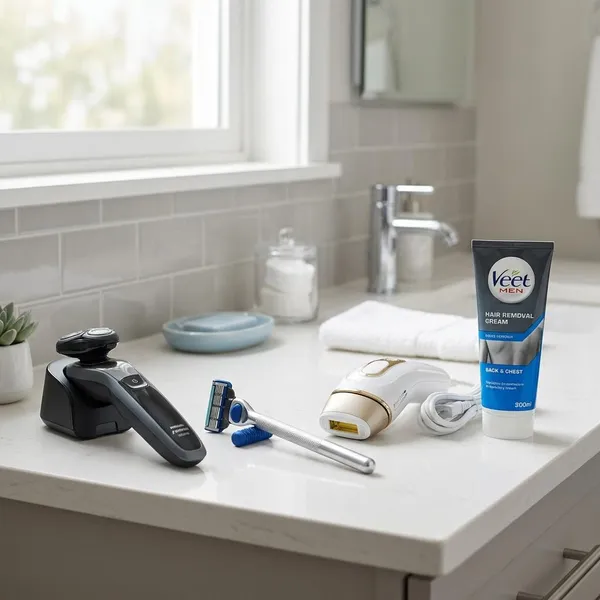
Most back grooming tools fall into three practical groups: manual back shavers, electric back shavers, and body groomers with extension handles. The first choice to make is not brand or price. It is whether you want hair removed as closely as possible, trimmed down neatly, or managed with the least irritation.
Manual back shavers
Manual back shavers use razor-style blades on a long handle, so they are usually best when smooth skin is the goal. They suit occasional close shaving well, such as before a holiday, pool season, or a formal outfit where visible stubble would bother you.
- Best for: the closest finish and short-to-medium hair.
- Watch out for: dull blades, heavy pressure, and shaving over the same area too many times.
- Ongoing cost: replacement blades can add up if you shave often.
If your back hair is long or dense, do not start with a manual blade. Trim first, then use the razor for the final pass; otherwise the head can clog, tug, and leave irritated patches.
Electric back shavers
An electric back shaver is the more forgiving option for regular grooming. It normally will not feel quite as smooth as a manual razor, but it is easier to use on blind spots and tends to be kinder to sensitive skin.
For someone shaving every week, that trade-off can be worth it. A small amount of remaining stubble is often less annoying than redness, cuts, or avoiding the routine because it feels awkward.
Body groomers with extension handles
A body groomer for back hair makes sense if you want one tool for your back, chest, shoulders, and other body areas. It is usually better for reducing hair length than creating a completely smooth back.
This is a good fit for year-round maintenance: keeping thick hair shorter, less sweaty, and less visible without chasing a perfect shave. The main thing to check is balance. Some extension handles feel flimsy or awkward on the lower back, even if the groomer itself is good.
Manual vs Electric Back Shavers
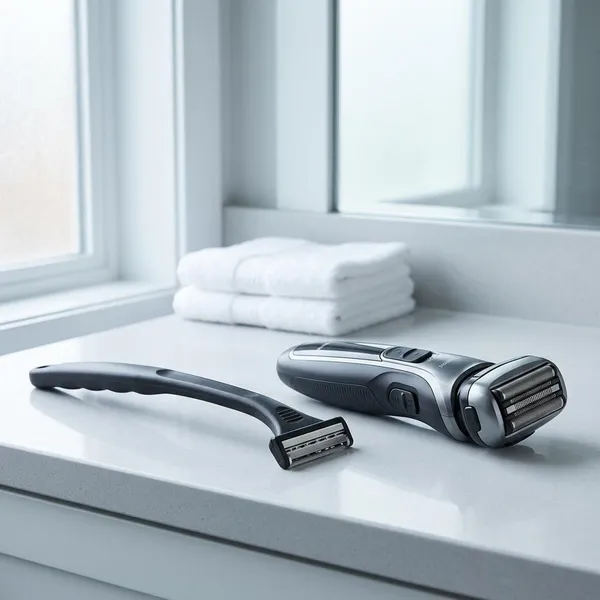
The manual vs electric back shaver choice comes down to priority. Pick manual if closeness matters most. Pick electric if comfort, speed, and low-risk maintenance matter more.
| Priority | Better choice | Why it matters |
|---|---|---|
| Smoothest result | Manual back shaver | Blade cuts closer to the skin. |
| Sensitive skin | Electric back shaver | Less direct blade contact. |
| Thick or long hair | Trimmer first, then shaver | Prevents clogging and pulling. |
| Weekly upkeep | Electric back shaver | Faster and easier to repeat. |
| Lowest upfront price | Manual back shaver | Device cost is usually lower, but blades matter later. |
Shaving closeness
Manual back shavers usually give the closest shave because the blade cuts at skin level. Choose one if you want a bare-back feel for a short-term reason, such as a vacation, date, or summer clothing.
Electric shavers leave a little more length behind. For daily life, that often looks neat enough, especially if you maintain it before the hair grows out fully.
Skin comfort and irritation
If your shoulders or upper back get red easily, start with electric. It is not irritation-proof, but it lowers the chance of small cuts and razor burn compared with dragging a manual blade over hard-to-see skin.
Manual shaving can still work for sensitive skin if you use a sharp blade, light pressure, and fewer passes. It becomes a problem when you rush, shave dry, or keep going over the same missed patch until the skin feels hot.
Ease of use and reach
Reach matters more than extra features. A useful handle should let you cover the upper back, spine area, shoulders, and lower back without twisting your arm into an uncomfortable angle.
- Fixed long handle: simple and often strong for broad areas.
- Folding or extendable handle: easier to store, but check stability.
- Wide shaving head: faster on flat areas, less precise near shoulders.
- Flexible head: helpful if your back is uneven or bony.
Cleaning and maintenance
Manual shavers need rinsing during use and fresh blades before they start dragging. Electric models need hair brushed or rinsed out, plus charging and occasional cutter or foil replacement.
For occasional grooming, manual can feel simpler because there is no battery to manage. For frequent grooming, electric often feels less messy because it is built for repeated short sessions.
Price and long-term costs
A cheap manual shaver can become less cheap if the blade cartridges are expensive or wear quickly. Before buying, check the refill price and whether blades are easy to find.
Electric shavers cost more upfront, but they can be better value if you use them every week and the replacement heads last. If you only shave your back a few times a year, paying more for a premium electric model may not be necessary.
How to Remove Back Hair by Yourself
Good back shaving is mostly about order: clean the skin, shorten long hair, use mirrors, shave gently, then calm the skin afterward. Trying to force a perfect result in one rushed session is where most cuts, missed patches, and irritation happen.
Clean and prepare your skin
Start with clean skin. A warm shower helps soften coarse hair and removes sweat or oil that can make a blade drag. If you are using a manual shaver, add shaving gel or another gentle product that gives the head some slip.
With an electric shaver, dry use may work better for some people because the cutter can lift and trim the hair more cleanly. If the device is wet-dry, try both methods and stick with the one that causes less tugging.
Trim long back hair first
Long back hair should be trimmed before any close shave. This is especially important if you have thick growth across the shoulders or lower back, because long hair can wrap around the head and block the blades.
Use a mirror to check hard-to-reach areas
Use a wall mirror with a handheld mirror if you can. You do not need perfect visibility, but you do need enough to spot the middle of the back, shoulder edges, and lower-back patches that are easy to miss.
Work in sections rather than random strokes. For example, clear the upper back first, then the middle, then the lower back. This small habit makes the result more even and reduces repeat passes over already irritated skin.
Shave slowly with light pressure
Light pressure is the safest default. Let the blade or motor do the cutting; pressing harder usually increases friction without improving the finish.
- Slow down on blind spots: especially around the spine and shoulder blades.
- Clear the head often: clogged blades pull and skip.
- Stop if the skin stings: finish later rather than turning redness into razor burn.
Rinse and moisturize afterward
Rinse away loose hair, pat the skin dry, and apply a simple fragrance-free moisturizer. This matters most after a close manual shave or if you plan to wear a tight shirt afterward.
Avoid heavy sweating, harsh scrubs, or strong fragranced products right after shaving if your skin reacts easily. For low-risk trimming, aftercare can be simple; for a close shave before a big day, give your skin time to settle.

Conclusion
If you want the smoothest possible back for occasional use, choose a manual shaver and prep carefully; if you want a routine you can keep up without much irritation, an electric back shaver is usually the more practical choice. For trimming rather than full removal, a body groomer with a solid extension handle is enough for most people.