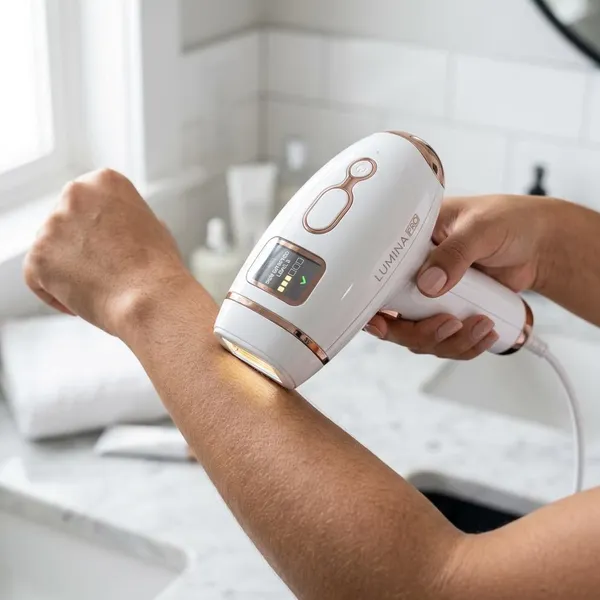
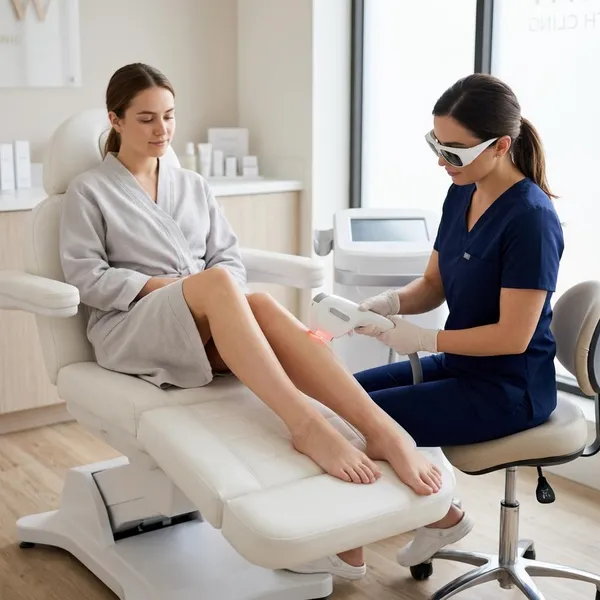
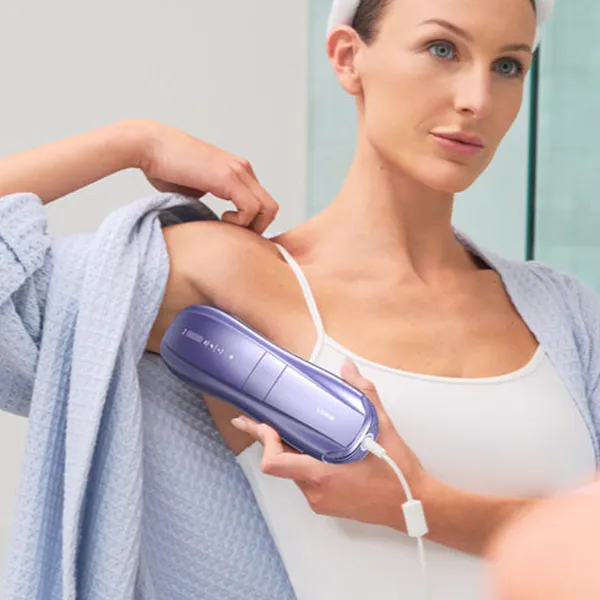
If you are trying IPL at home, the safe routine is simple: check that your skin and hair are suitable, shave first, use clean dry skin, start low, and move the device in an even pattern. The biggest mistake is treating it like instant hair removal or turning the setting up too quickly. Learning how to use ipl hair removal device tools properly is mostly about good prep, steady coverage, and knowing when your skin is telling you to slow down.
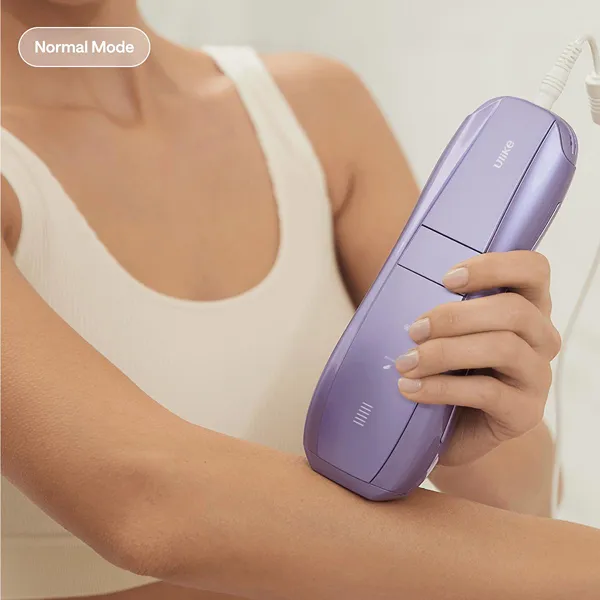
How to use an IPL hair removal device step by step
For a first home session, think in this order: suitability first, skin prep second, setting third, technique last. If one of the early checks is wrong, the rest of the session is not worth rushing through.
Check your skin and hair are suitable for IPL
Start with the device's skin tone and hair color chart before you shave or switch anything on. IPL generally works best when there is enough contrast between the hair and the surrounding skin, such as darker hair on light to medium skin. Very light blonde, red, grey, or white hair may not respond well, and very dark or recently tanned skin may not be suitable for some home devices.
- Do not treat sunburn, open cuts, active irritation, or fresh tanning.
- Avoid guessing around tattoos, dark marks, or suspicious moles.
- Ask a professional first if you have a skin condition, are pregnant, or use medication that may increase light sensitivity.
Shave and clean the treatment area
Shave instead of waxing, tweezing, or epilating. IPL needs the hair root under the skin, but surface hair should be removed so it does not singe or make the flash feel hotter than necessary.
After shaving, wash off lotion, oil, deodorant, sunscreen, or makeup and let the area dry completely. This matters most on underarms and the bikini line, where leftover product and curves can make the device slip or flash unevenly.
Patch test before your first full session
Use a low setting on a small hidden area and wait about 24 hours before treating a larger section. Mild warmth or temporary pinkness can happen, but sharp pain, swelling, blistering, or irritation that lingers is a stop sign, not something to push through.
Choose a comfortable setting
The right setting should feel warm and manageable, not painful. Legs may tolerate a stronger level than the upper lip, underarms, or bikini line, so do not assume one setting is right for every body area.
If you are a cautious first-time user or you know your skin reacts easily, stay lower for the first few sessions and build up only if your skin stays calm. If you are using IPL for long-term maintenance, comfort is not a small detail; it is what makes the routine realistic enough to repeat.
Keep the treatment window flat on the skin
Place the window flat against the skin so the contact sensor can register properly and the flash covers the area evenly. Around ankles, knees, and underarms, changing your body position often works better than pressing harder.
Flash and move evenly across the area
Work in rows, small blocks, or another pattern you can remember. Follow your device manual for how many flashes or passes are recommended per area, and avoid excessive repeated treatment of the same spot in one session.
For a full leg, divide the area into front, side, and back sections. For a smaller area like an underarm, use controlled single flashes rather than moving randomly and hoping you covered everything.
How to use a Ulike IPL device
Ulike devices follow the same basic IPL routine, but the exact controls, modes, and approved areas depend on the model. Treat the manual as the boundary, then use a repeatable pattern so each session feels familiar instead of improvised.
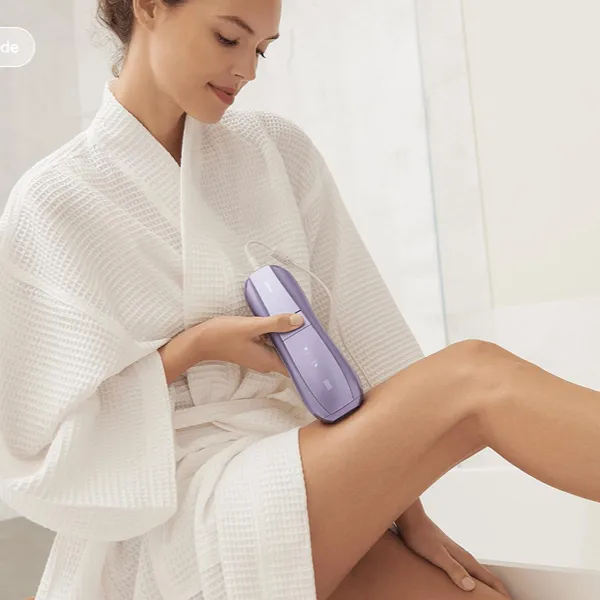
Turn on your Ulike device
Put on the protective eyewear supplied with your Ulike device before you begin flashing, and never point the treatment window toward your eyes.Plug in or power on the device as your model requires, then check the intensity level and mode before the first flash. If your model has cooling or comfort features, give yourself a moment to confirm they are working and that the treatment window is clean.
Choose the right mode for the area
Use a slower, more precise mode for small or curved areas, and a glide-style mode for larger flat areas if your device offers it.
| Area type | Better approach | Why it helps |
|---|---|---|
| Lower legs or arms | Steady glide or longer passes | Covers broad areas faster |
| Underarms | Single flashes or short passes | Improves contact on curves |
| Bikini line | Small controlled sections | Reduces accidental overlap |
| Face, if approved | Lowest careful placement | Keeps treatment away from restricted zones |
Keep full contact with the skin
Hold the Ulike treatment window flush against the skin and wait for the device to recognize contact before flashing. If it will not flash, reposition your wrist, stretch the skin slightly, or change your angle instead of forcing the device into place.
Move steadily across each section
A calm pace gives better coverage than rushing. On a large area, move in straight lines with light overlap; on a small area, finish one tiny section before starting the next. If you are treating multiple areas in one evening, do the easiest flat areas first and save the fiddly sections for when you still have patience.
Clean the treatment window when finished
Let the device cool if needed, then wipe the treatment window with a soft lint-free cloth according to your model instructions. Do not use rough materials or harsh cleaners on the flash window.
Store it somewhere dry with the window protected from scratches. A clean window is a small habit, but it helps keep each session consistent.
How to use Ulike IPL on different body areas
Different body areas need different pacing. Flat areas reward rhythm; curved or sensitive areas reward control. The practical rule is to slow down anywhere the device loses contact, the skin feels more sensitive, or you cannot clearly see where you have already flashed.
Use steady passes on legs and arms
Legs and arms are usually the easiest places to build confidence because they have larger, flatter sections. Start at one end and work in visible rows, slowing down around knees, elbows, wrists, and ankles where the window can lift at the edges.
If you are preparing for a holiday or warmer weather, avoid doing your first-ever session right before heavy sun exposure. Give your skin time to settle, and be careful with sun protection on treated areas.
Work in smaller sections on underarms
Raise your arm fully, stretch the skin gently, and treat the underarm in two or three small zones instead of sweeping over it quickly. Clean skin matters here because deodorant residue can make flashes feel sharper and coverage less even.
Treat only approved areas around the bikini line
Use Ulike IPL only on the external bikini or Brazilian areas approved for your model. Do not use it on internal intimate areas such as the labia minora, vagina, scrotum, or anus. Use a lower setting at first, keep the sections small, and do not treat internal intimate areas, broken skin, shaving rash, or freshly tanned skin.
Follow model guidance for facial areas
Use Ulike IPL on facial areas approved for your model and only below the cheekbones. Do not use the device around the eyes or on the eyebrows, and follow the exact facial restrictions in your model manual.
- Patch test first, even if your legs reacted well.
- Use a cautious setting because facial skin is more visible and reactive.
- Avoid active acne, irritated patches, and dark marks unless your manual says otherwise.
- Keep aftercare gentle and be careful with sun exposure afterward.
Conclusion
IPL at home works best when you treat it as a steady routine, not a quick fix. Check suitability first, keep the skin clean and shaved, choose settings you can comfortably repeat, and slow down on sensitive or awkward areas. If your skin reacts badly or your device manual says an area is not approved, skipping that treatment is the smarter choice.