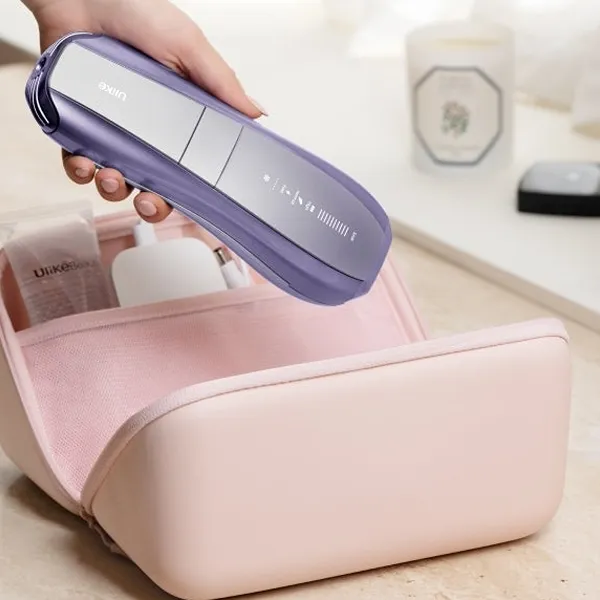
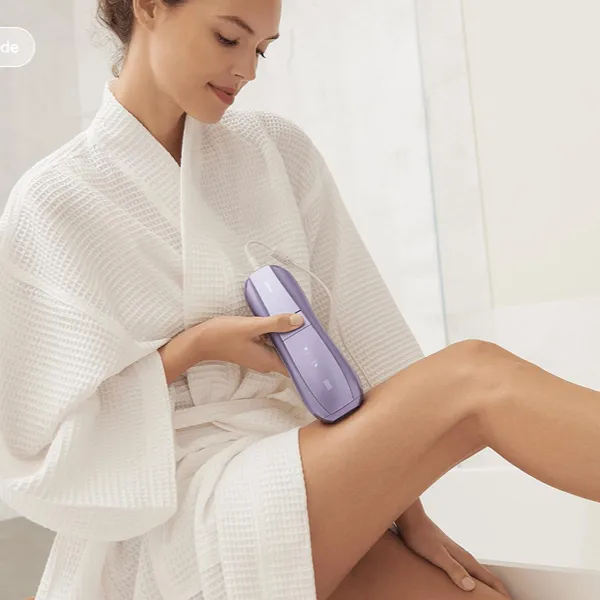
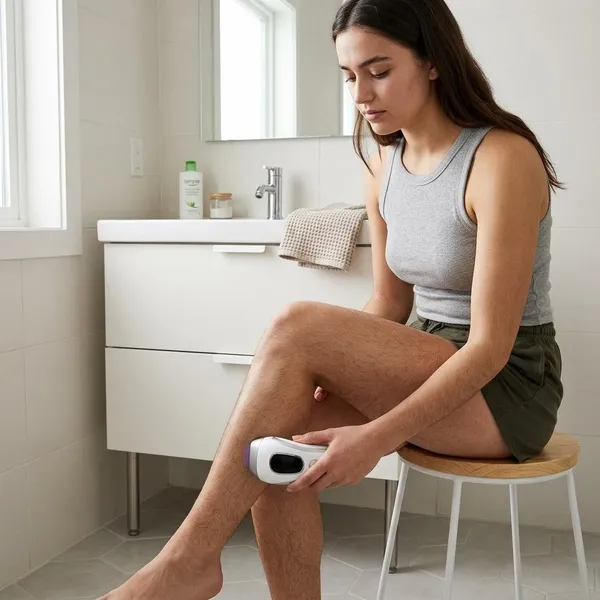
If you want the best laser hair removal for face at home, the most practical choice is usually an IPL device rather than a true home laser. For most compatible users, Ulike Air 10 is the strongest all-around pick for facial hair because it combines cooling, skin sensing, and better support for coarse chin or jawline hair. Ulike Air 4 makes more sense if you want a lower-cost Ulike option while still having dedicated modes for thicker or more stubborn hair.
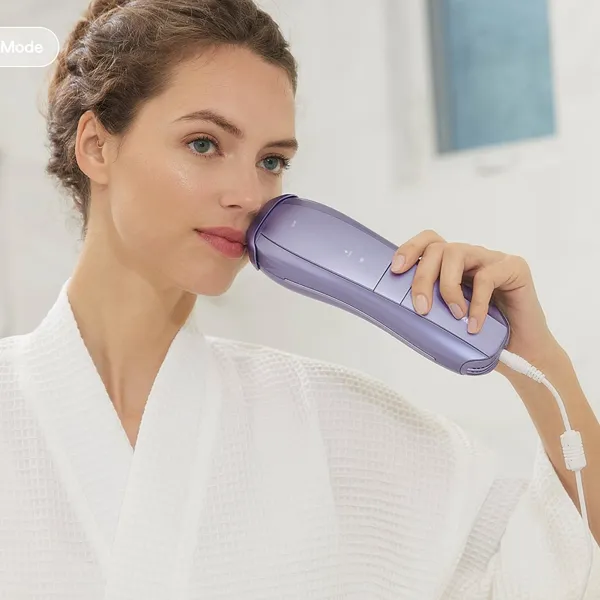
What is the best at-home laser hair removal for the face
The best at-home option for facial hair should do three things well: feel comfortable on delicate skin, stay easy to control around small areas, and stop you from treating skin that is not suitable for IPL. Facial use is less forgiving than legs or arms because the upper lip can feel sharper during flashes, and chin hair can be more stubborn.
Before comparing devices, check the basics first. Home IPL usually works best when there is enough contrast between hair pigment and skin tone, so dark facial hair is generally easier to treat than blonde, red, gray, or white hair. If your skin is recently tanned, irritated, sunburned, or reacting to active skincare, it is better to wait than force a session.
Ulike Air 10 for overall comfort and performance
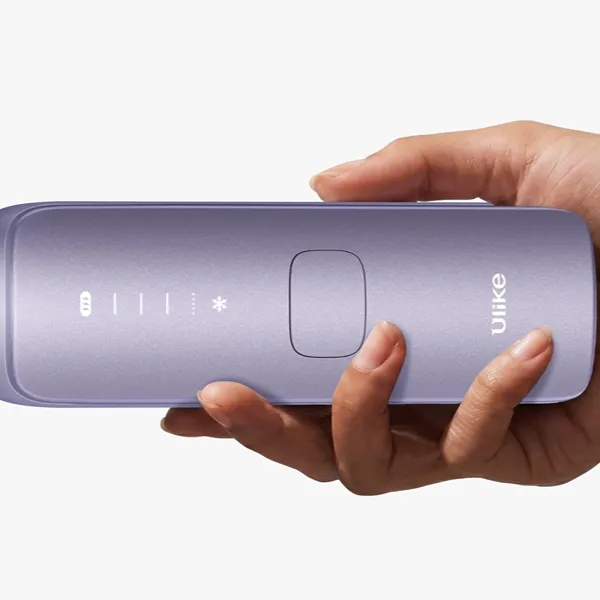
Ulike Air 10 is the best overall fit for someone who wants one device for the upper lip, chin, jawline, and body. Its main advantage is not just power; it is the way cooling and skin-sensing features make repeat sessions feel more realistic. That matters because facial IPL only helps when you can use it consistently.
Ulike Air 4 for a more affordable Ulike option
Ulike Air 4 is the more sensible buy if you want a lower-cost Ulike device for facial and body hair reduction. It also includes dedicated modes for thicker or more stubborn hair, although Air 10 offers additional features such as Dual Lights and SkinSensor. It gives you a comfort-focused IPL routine without paying for the most advanced Ulike features.
It is also a good entry point if you are unsure whether you will stick with IPL. If you only treat a small facial area and are comfortable following Ulike's recommended treatment schedule, a lower-cost device may be easier to justify than a premium model.
Why Ulike Air 10 is our top pick for facial hair
For face-focused use, the strongest pick is the one that lowers friction in the routine. Air 10 does that better than basic models because it is comfortable enough for small sensitive areas and still useful for larger body sessions. That makes it a better long-term purchase for someone who wants one device rather than a face-only gadget.
Sapphire Ice Cooling for added comfort
Sapphire Ice Cooling is the feature that makes Air 10 especially appealing for facial use. The upper lip and chin can feel more sensitive than body areas, and cooling helps soften the heated snap that some people notice with IPL.
Fast full-body treatments with AutoGlide
AutoGlide matters most if you plan to use the same device beyond the face. Facial zones need careful placement, but legs, arms, and underarms can become tedious if every flash feels slow. A faster glide mode makes the whole routine easier to keep up with.
For a face-only buyer, this feature is less important. For someone who wants upper-lip maintenance plus regular body treatments, it adds real value because the device will not feel limited to tiny touch-ups.
SHR mode for coarse stubborn hair
SHR mode is the main reason Air 10 is the better pick for stubborn chin or jawline hair. Lower-face hair can be thicker and more persistent than upper-lip hair, especially when growth is influenced by hormones. At-home IPL is not a medical treatment for hormonal hair growth, but a stronger mode can be more useful than a basic maintenance setting for compatible dark hair.
SkinSensor for automatic skin protection
SkinSensor helps reduce guesswork by checking whether the device can safely treat the area and by supporting automatic adjustment. This is especially useful on the face, where sun exposure, post-acne marks, and uneven pigmentation can make one area different from another.Note that Air 10's automatic skin-color detection applies to Fast, Normal, and High modes and is not active in SHR mode, so you should not rely on SkinSensor when using SHR.
Still, the sensor is not permission to flash anywhere. Avoid dark moles, tattoos, irritated patches, suspicious marks, and any area close to the eyes. The safest habit is to inspect the skin first, then let the sensor add a second layer of caution.
How do the best facial IPL devices compare
The best facial IPL devices differ less by promises and more by day-to-day usability. Cooling helps if your face reacts quickly to heat. A narrow treatment window helps if you want more precise placement. Skin-tone adaptation helps if you are nervous about choosing the wrong intensity.
| Device type | Best fit | Think twice if |
|---|---|---|
| Ulike Air 10 | Sensitive facial areas, coarse chin hair, one device for face and body | You only need occasional light upper-lip maintenance |
| Ulike Air 4 | Lower-cost Ulike option, facial and body hair, users who still want modes for thicker hair | You specifically want Air 10 features such as Dual Lights or SkinSensor |
| Braun IPL options | Precise attachments, adaptive intensity, familiar IPL controls | Cooling is your top priority |
Do not choose by brand alone. Choose by the problem you are solving: tenderness, precision, stubborn regrowth, or budget.
Which facial hair removal device fits your needs
The easiest way to choose is to start with your highest-risk issue, not the longest feature list. If your skin reacts easily, comfort should come first. If your hair is coarse and dark on the chin, performance matters more. If you are treating a small area and mostly want convenience, a lower-cost model may be enough.
Sensitive skin and comfort: Ulike Air 10
Choose Ulike Air 10 if discomfort is the reason you avoid hair removal routines. Cooling can make the upper lip and chin feel less intimidating, which is helpful if waxing, threading, or epilation leaves your skin red or sore.
- Best fit: sensitive but compatible skin, regular facial maintenance, comfort-first buyers.
- Be cautious: active irritation, recent sun exposure, strong exfoliants, or retinoid-related sensitivity.
Stubborn chin hair: Ulike Air 10
Air 10 has the edge for stubborn chin hair because it adds features such as Dual Lights, higher maximum output, and SkinSensor, although Air 4 also includes dedicated modes for thicker and stubborn hair.
If chin hair is sudden, heavy, or changing quickly, it is also worth considering whether a medical or hormonal cause may be involved. IPL can help with visible hair reduction for some users, but it does not diagnose or fix the reason hair is growing.
Lower-cost Ulike option: Ulike Air 4
Pick Ulike Air 4 if you want a simpler, more affordable way to start facial IPL. It is best for someone who wants a more affordable Ulike option while still having dedicated settings for different hair thicknesses and treatment needs.
How to use IPL on the face safely
Facial IPL can be safe for approved areas when you treat it as a careful routine, not a shortcut. The order matters: confirm skin and hair compatibility, prepare the skin, patch test, avoid unsafe zones, and follow the schedule instead of flashing more often.
Shave before treatment
Shave instead of waxing, plucking, or threading before IPL. The light needs the hair root under the skin as its target, while surface hair should be removed so it does not absorb extra heat. On the face, a gentle facial razor or close trimmer is usually the least irritating option.
Start with clean dry skin
Use IPL on bare, dry skin with no makeup, sunscreen, facial oil, or moisturizer left behind. This also gives you a clear look at the area, so you can avoid moles, broken skin, acne irritation, or darker patches that should not be treated.
Patch test before full use
A patch test is especially important on the face because any reaction is more visible. Treat a small spot first, wait for the period recommended by the device brand, and only continue if the skin looks and feels normal.
This step is worth doing even if you have used IPL on your legs before. Facial skin can respond differently, especially around the upper lip.
Treat only approved facial areas
Stay with the facial areas your device specifically allows, usually the upper lip, chin, jawline, and sometimes lower cheeks. Never use home IPL on the eyelids, eyebrows, or close to the eyes.
For brow shaping or stray hairs near the eye area, choose tweezing, trimming, or another method designed for that zone. A small treatment window does not make IPL safe around the eyes.
Follow the recommended schedule
Follow the brand's treatment schedule rather than trying to speed things up. IPL works gradually across repeated sessions, and overuse can leave the face irritated without improving results.
Conclusion
For most compatible users, Ulike Air 10 is the best choice when facial comfort, skin protection, and stubborn chin hair all matter; Ulike Air 4 is the better-value pick for lighter maintenance and a smaller budget. Choose the device you can use calmly and consistently, and skip treatment when your skin is irritated, recently tanned, or outside the device's approved range.