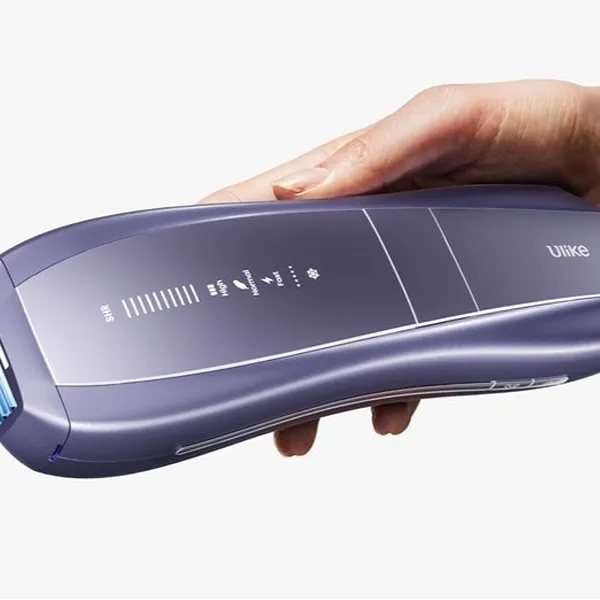
Most IPL cooling names are not separate "better or worse" technologies; they usually point to different parts of the same heat-control system. Start by checking what touches your skin, whether that surface is actively cooled, and whether the device is suitable for your skin tone and hair color before you give much weight to labels like ice, sapphire, or frost.
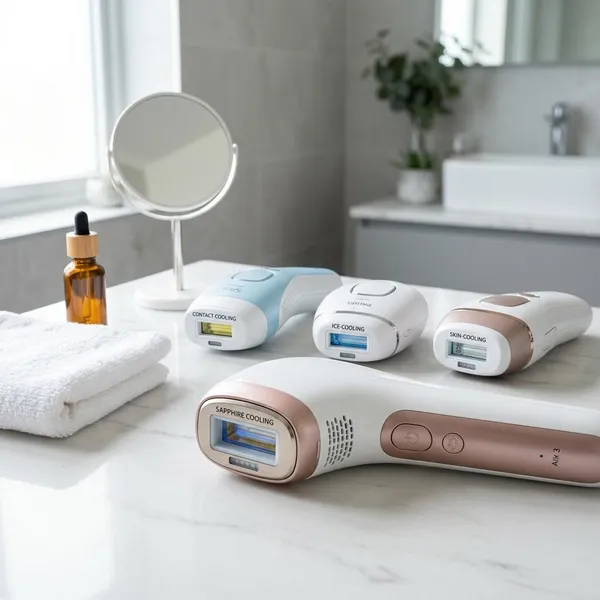
What These IPL Cooling Names Actually Mean
Brands often mix technical terms with comfort-focused marketing language. That is why two devices can sound completely different on the product page while using a similar cooled treatment window in practice.
| Cooling name | What it usually points to | What to check before buying |
|---|---|---|
| Sapphire cooling | The contact window material | Is the sapphire surface actively cooled? |
| Contact cooling | Cooling through direct skin contact | Does the cooled surface stay cool during repeated flashes? |
| Thermoelectric cooling | The active cooling mechanism | Does the device also manage the removed heat well? |
| Cooling plate | The cooled surface touching the skin | Is the plate size practical for your treatment areas? |
| Fan cooling | Internal airflow and heat control | Is there also direct skin-contact cooling? |
| Ice cooling | A consumer-facing cold-feel label | Is the claim backed by a clear cooling method? |
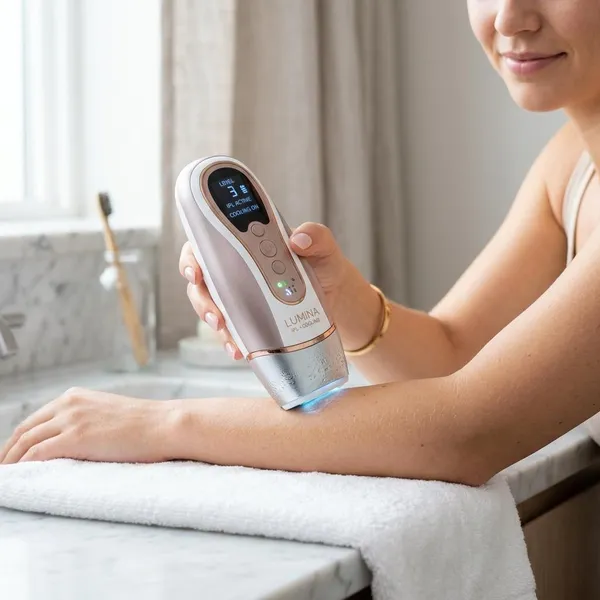
How IPL Skin Cooling Works
Cooling does not cancel the IPL pulse or freeze the treatment area. It mainly manages heat at the skin-contact surface so the flash feels less sharp and the device remains more comfortable across a session.
The contact surface absorbs skin heat
When the treatment window touches your skin, it can draw some surface heat away from the outer layer. A smooth, conductive, cooled surface can make the flash feel less abrupt, especially on thin or reactive areas.
This effect is local and temporary. It does not change your hair growth cycle, replace your schedule, or make IPL suitable for an incompatible skin or hair type.
Active cooling lowers surface temperature
Active cooling keeps the treatment surface colder than it would be through passive materials alone. That matters because repeated flashes create warmth, and comfort can drop quickly if the window warms during use.
- For small areas: moderate active cooling may be enough because sessions are short.
- For legs or full-body use: steady cooling during repeated flashes becomes more important.
- For sensitive skin: patch-test first, even if the device advertises strong cooling.
Cooling continues between repeated flashes
The most useful cooling is not just a cold first touch. It keeps working between flashes so the treatment head does not gradually feel hotter as you move across a larger area.
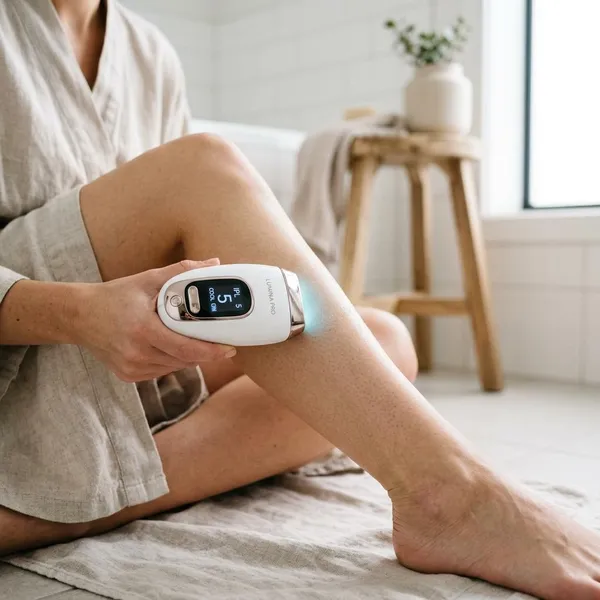
If you plan to use glide mode on legs or arms, this is worth checking in reviews and product details. A device that stays moderately cool for the whole session may be more pleasant than one that feels icy at first and then fades.
Fans can help remove internal heat
Fans move heat away from the inside of the device. They support stable operation, especially during longer sessions or faster flash modes, but they are more about device endurance than direct skin comfort.
A simple way to judge the claim is to separate the two jobs: fan cooling helps the machine cope with heat, while contact cooling helps your skin feel cooler. The best setup for frequent use often has both.
Does Cooling Make IPL More Effective?
Cooling does not directly make IPL hair reduction stronger. The light energy, your skin and hair compatibility, the treatment schedule, and correct use still do the main work. Cooling matters because it can make the routine easier to tolerate and easier to repeat.
Cooling mainly improves treatment comfort
The clearest benefit is comfort. A chilled contact surface can soften the hot snap of each flash, which is especially noticeable around the underarms, upper lip, and bikini line.
That comfort has practical value. If a device feels too harsh, many people lower the intensity too far, rush through awkward areas, or stop using it regularly. Cooling can remove one common reason people abandon the routine.
IPL energy still drives hair reduction
The IPL pulse still has to target pigment in the hair. A beautifully cooled device will not compensate for poor skin-tone compatibility, unsuitable hair color, weak settings for your needs, or inconsistent use.
When choosing between two devices, do not let "ice cooling" outrank the basics. Check the compatibility chart first, then the usable intensity levels, treatment window size, and only then the cooling language.
Skin and hair compatibility still affect results
At-home IPL generally depends on contrast between hair pigment and skin tone. Cooling may make a flash feel gentler, but it does not make IPL appropriate for every skin tone or effective on every hair color.
- Be more cautious: deeper skin tones, recent tanning, irritated skin, or a history of strong skin reactions.
- Expect weaker results: very light blond, red, grey, or white hair, unless the manufacturer clearly says otherwise.
- Do before regular use: follow the brand's patch-test instructions and wait for any delayed reaction.
Better comfort may support consistent use
Consistency is where cooling can indirectly help. A person treating only the upper lip once in a while may not care much about the most advanced cooling system, but someone doing legs, underarms, and bikini line over several weeks will notice comfort much more.
The best cooling feature is the one that helps you keep using a suitable device correctly. For sensitive skin, that usually means clearly described active contact cooling. For large-area routines, it also helps if the device has good internal heat management so sessions do not become stop-start.
Conclusion
The safest way to read IPL cooling claims is to separate the label from the job it performs: sapphire is usually the material, contact cooling is the skin-touch method, thermoelectric cooling is the mechanism, a cooling plate is the surface, fan cooling manages internal heat, and ice cooling is often the marketing name. Choose cooling for comfort and consistency, but make the buying decision around compatibility, correct use, and whether the device can stay comfortable for the areas you actually plan to treat.