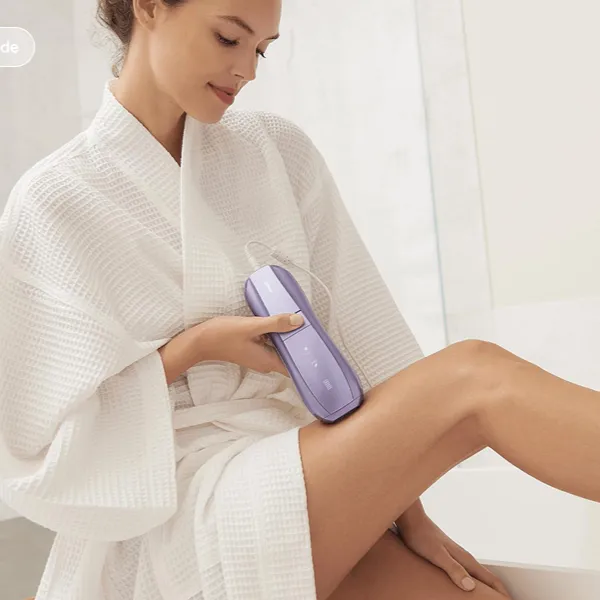
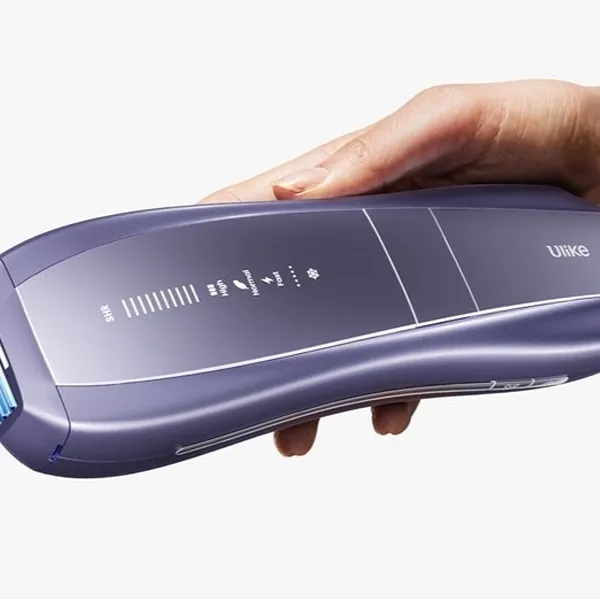
Ulike works by using IPL light to target pigment in the hair, turn that light into heat, and weaken the follicle's ability to keep producing strong regrowth. The first thing to check is whether your hair color and skin tone fall within your model's suitable range, because IPL depends heavily on contrast between hair pigment and skin. If you are a good match and use it consistently, the realistic goal is long-term hair reduction, not instant or guaranteed permanent removal.
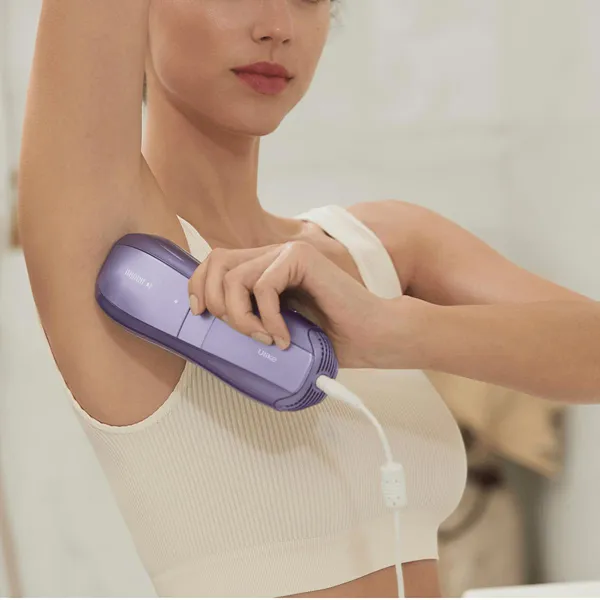
How Ulike IPL Hair Removal Works
Ulike is an at-home IPL device, which means it sends controlled flashes of broad-spectrum light into the skin. The light is absorbed mainly by pigment in the hair, then converted into heat that can affect the follicle below the surface.
That is different from shaving. Shaving cuts hair at skin level, while IPL is meant to reduce future regrowth over repeated sessions. The best candidates are usually people with darker body hair and a skin tone that is approved for the device, because the light needs enough hair pigment to target.
IPL light targets melanin in the hair
Melanin is the pigment that gives hair its color. When Ulike flashes, darker hair absorbs more of that light energy, which is why black and dark brown hair usually respond better than blonde, red, gray, or white hair.
This is also why skin tone matters. If the surrounding skin contains more melanin, the device may not be suitable or may require a more cautious setting, depending on the model. Before treating a full area, compare your skin tone and hair color with the chart for your specific Ulike device rather than guessing.
Light energy turns into heat
Once the hair absorbs the IPL flash, the energy becomes heat. The intended target is the hair structure and follicle area, not the skin surface. A proper shave before treatment helps because less energy is wasted on long hair sitting above the skin.
Heat disrupts the hair growth cycle
Heat can interfere with the follicle most effectively when the hair is in an active growth stage. In that phase, the hair is better connected to the follicle, so the heat has a better chance of reaching the right place.
This is why one session can look underwhelming. You may treat an area carefully and still see hair afterward because not every follicle was in the right stage that day.
Repeated treatments reduce regrowth
With repeat use, more follicles are treated when they are most responsive. The change is usually gradual: shaving may be needed less often, regrowth may look patchier, and coarse stubble may start coming back finer.
- Early sign: hair takes longer to appear after shaving.
- Common mid-stage sign: some patches thin faster than others.
- Realistic long-term sign: lower density with occasional maintenance still needed.
Why Ulike Needs Repeat Treatments
Repeat treatments are not just a brand instruction; they are built into how IPL works. Hair grows on a staggered cycle, so a single treatment can only affect the hairs that are in a useful stage at that moment.
If you want smoother legs for summer, you usually need to start before the week you plan to show results. If you want year-round reduction, consistency matters more than doing one intense burst and then stopping.
Hair grows in different phases
Hair follicles move through active growth, transition, and resting phases, but they do not all move together. On the same underarm or leg, some hairs may be ready for IPL while others are not.
That explains uneven progress. One area may look smoother quickly, while another still feels stubborn for a few more weeks. It is not always a technique problem; sometimes the timing of the hair cycle is different.
IPL works best during active growth
Active growth is the useful window because the hair has a stronger connection to the follicle. If a hair is resting, the visible strand may still be there, but IPL may not affect that follicle as much.
Repeat sessions target more active hairs
Each scheduled session gives you another chance to catch hairs that were not ready before. This is why random use is a common mistake. Waiting until regrowth looks obvious again can mean you miss the rhythm your device is designed around.
Maintenance helps control regrowth
After the starting phase, some hair can still return because follicles may recover and hormones or body area can influence regrowth. Maintenance is the part that keeps results from slowly fading.
For occasional use, such as preparing for a holiday, at-home IPL may feel slow because it needs a runway. For long-term use, it makes more sense: the effort shifts from frequent shaving to planned touch-ups.
How Ulike Sapphire Ice Cooling Helps
Sapphire Ice Cooling is there for comfort, not because it changes the basic IPL process. The flashes still create heat around the hair, while the contact window helps keep the skin surface feeling cooler.
That comfort can make a real difference. If the device feels too harsh, people tend to skip sessions, rush over sensitive spots, or choose a setting that is too low to be useful for their hair type.
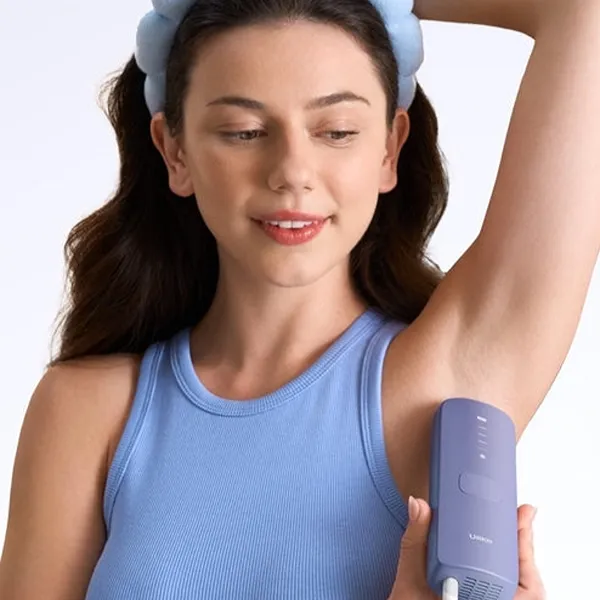
Keeps the treatment window cool
The cooling surface sits against the skin while the IPL flash is delivered. On larger areas, such as both legs, that can help prevent the session from feeling increasingly hot as you move from section to section.
Helps reduce heat discomfort
IPL can feel like warmth, a light snap, or a sharper pinch in sensitive places. Cooling may soften that sensation, especially around underarms, ankles, and the bikini line, but it should not be used as an excuse to ignore discomfort.
If treatment causes pain, a burning sensation, or irritation that does not settle, stop treating the area. Do not resume while the skin remains irritated. Seek medical advice if symptoms persist or if you develop blistering, severe pain, or lasting changes in skin color.
Makes IPL sessions more comfortable
Comfort matters because IPL only works well if you can repeat it. A beginner treating underarms may need confidence more than speed. Someone treating full legs may need the session to feel manageable enough to finish evenly without skipping patches.
- For beginners: cooling can make the first few sessions less intimidating.
- For larger areas: it helps keep the routine from feeling tiring halfway through.
- For sensitive zones: it may make careful, lower-intensity treatment easier to tolerate.
How to Use Ulike Properly
Good technique starts before the first flash. Your main priorities are: shave first, patch test, choose a sensible setting, keep the window flat, and follow the schedule for your exact model.
The biggest mistake is treating IPL like a stronger razor. It is not meant to remove visible hair immediately. It works best as a planned routine that gradually changes how hair grows back.
Shave the treatment area first
Shave before using Ulike so the root remains under the skin but long surface hair is removed. This helps the light focus where it matters and reduces the chance of singed hair smell or extra surface heat.
Avoid waxing, plucking, or epilating right before IPL because those methods remove the hair root. Without that target in place, the flash has much less to work with.
Patch test before treatment
Do a patch test before your first full session, when treating a new area, or when moving to a stronger setting. Treat a small, less visible patch and wait long enough to see whether redness, burning, swelling, or unusual sensitivity appears.
Choose the right power or mode
Start with a setting your skin can tolerate instead of jumping to the strongest option. Thicker, darker body hair may need more intensity over time, while facial areas, bikini edges, or reactive skin often call for a more cautious approach.
| Situation | Smarter starting choice |
|---|---|
| First session on a new area | Lower setting plus patch test |
| Coarse leg or underarm hair | Increase gradually if skin stays calm |
| Face or bikini edge | Use only approved areas and choose comfort first |
| Skin feels hot or irritated | Stop, cool down, and do not keep flashing the same spot |
Hold the window flush against skin
The treatment window needs full contact with clean, dry skin. If the angle is off, the flash may not trigger properly or the area may be treated unevenly.
Curved spots such as knees, ankles, and the jawline need slower movement. Work in small rows or sections rather than waving the device around, because missed patches are one of the easiest ways to get uneven results.
Follow your model's treatment schedule
Use the schedule that comes with your Ulike model, especially during the first several weeks. More flashes on the same spot in one session are not a shortcut and may only increase irritation.
- Plan sessions ahead: consistency beats last-minute use.
- Follow your model's instructions for the number of flashes or passes per area. Do not add extra flashes beyond the recommended limit to treat stubborn patches.
- Track visible changes: slower regrowth is progress, even before an area looks bare.
Conclusion
Ulike makes the most sense if your hair and skin are a suitable match for IPL and you are willing to treat it as a routine rather than a one-time fix. Check suitability first, shave instead of waxing, start cautiously, and stay consistent; that combination gives you a much better chance of seeing slower, finer regrowth without turning the process into guesswork.