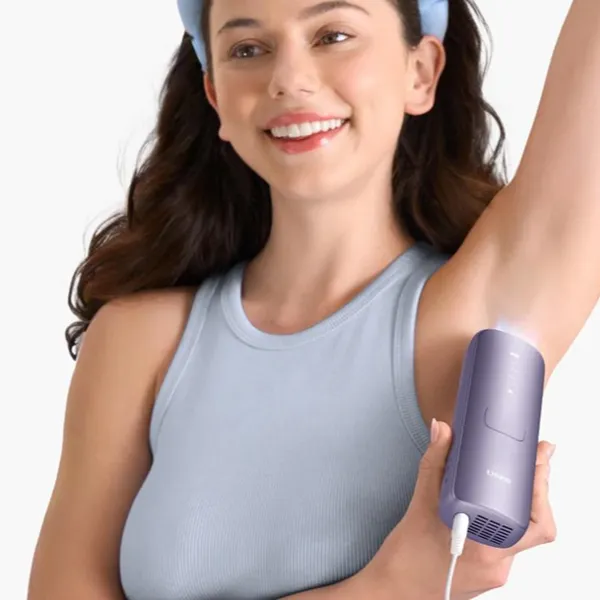
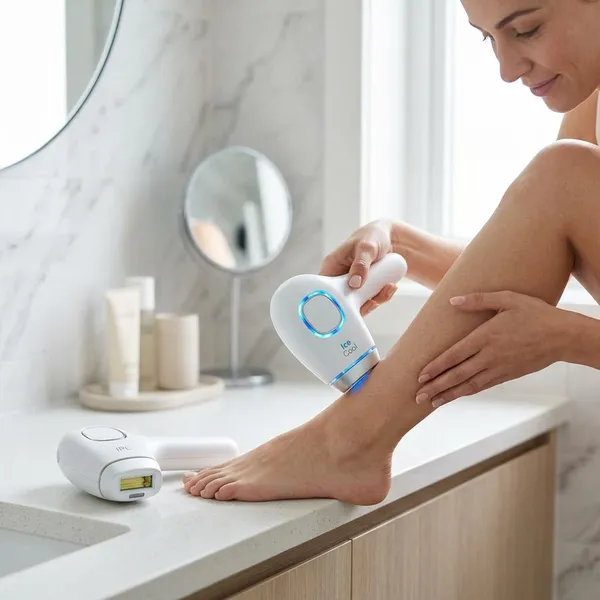
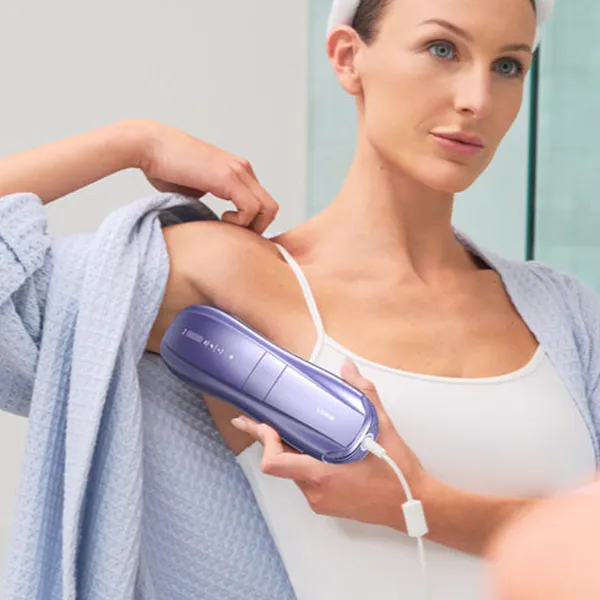
If you are choosing between IPL vs epilator, start with your goal: do you want to remove visible hair now, or reduce regrowth over time? An epilator pulls hair out for an immediate result. IPL takes repeated sessions to reduce future growth and works only when your skin tone and hair color suit the device. Neither method is the best choice for everyone.
Which Works for Your Skin and Hair?
Before comparing price or comfort, check whether you are a suitable candidate for at-home IPL. Epilators remove hair mechanically, so they do not depend on hair pigment, but the pulling can be uncomfortable and may irritate some people's skin.
IPL depends on hair pigment and skin tone
IPL light targets pigment in the hair. It generally works best when darker hair contrasts with a compatible lighter skin tone. Check the suitability chart for the exact device before buying, since approved combinations vary.
Very light hair may respond poorly to IPL
Light blonde, red, gray, and white hair may lack enough pigment for effective IPL treatment. If the device's chart excludes your hair color, an epilator can be a more practical way to remove visible hair at home.
Deeper skin tones may fall outside a device's range
More pigment in the skin can increase the risk of unwanted heat absorption during IPL. Do not use an at-home device on a skin tone it excludes, and avoid treating recently tanned skin. An epilator does not use light, but it can still cause discomfort or irritation, particularly on sensitive or inflamed skin.
If long-term reduction is your goal and home IPL is unsuitable, consider asking a qualified professional about options appropriate for your skin and hair.
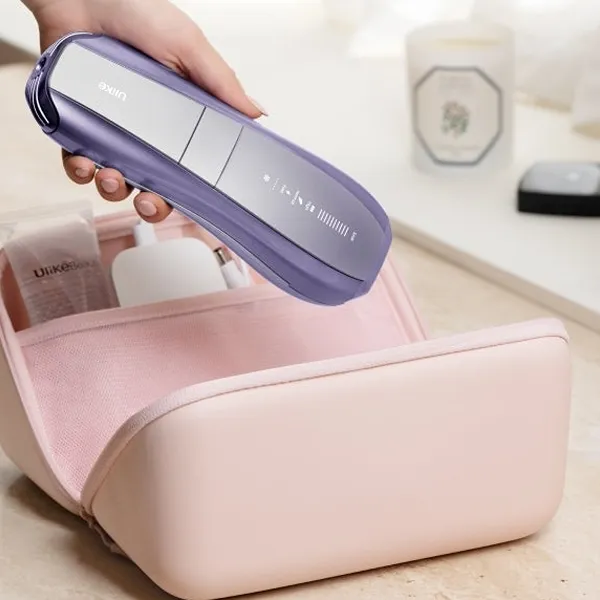
Why Ulike Air 10 Can Make IPL Easier
If you are suitable for IPL, Ulike Air 10 offers features that may make repeated treatments more convenient: Sapphire Ice Cooling, AutoGlide, SkinSensor, and a dedicated SHR mode. Results and comfort still vary, and the device instructions should guide your choice of mode and treatment area.
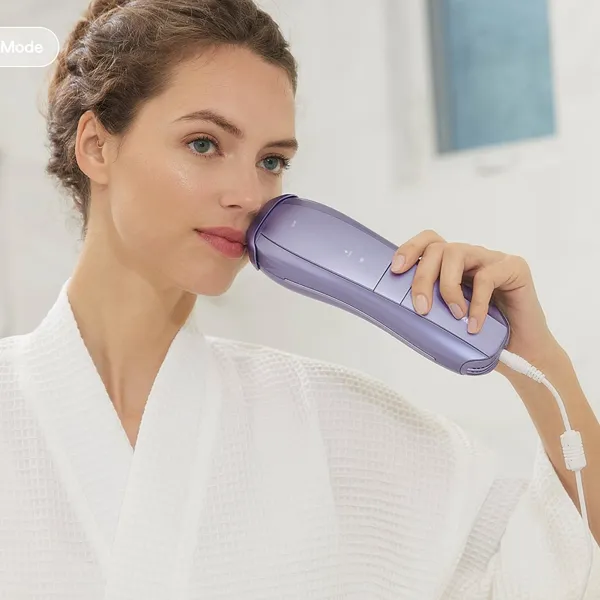
Sapphire Ice Cooling keeps the contact surface cool
Ulike says Air 10's cooling system maintains a contact temperature of about 65°F. A cool treatment surface may make flashes more comfortable for some users, but it does not guarantee a sensation-free session or make unsuitable skin safe to treat.
AutoGlide helps cover larger areas
AutoGlide provides continuous flashes, reducing the need to press the button for every spot on areas such as the legs. It is a convenience feature for suitable larger areas. AutoGlide is not available in SHR mode.
SkinSensor adjusts output in three modes
Air 10's SkinSensor detects skin tone and adjusts output in Fast, Normal, and High modes. According to Ulike, SHR mode does not provide skin color detection. Check the device's compatibility chart before treatment, even when using a mode with SkinSensor.
SHR mode is designed for stubborn hair
Ulike describes SHR as a mode for stubborn hair, including hair in suitable underarm or bikini-line areas. It operates manually without SkinSensor's skin color detection or AutoGlide. Patch test first and follow the instructions for the area you intend to treat.
- Shave the treatment area as directed; do not pluck or wax before IPL.
- Check skin tone, hair color, and permitted treatment areas.
- Choose the appropriate mode and perform a patch test.
- Follow Ulike's treatment schedule and allow the recommended time between sessions.
Which Should You Choose?
| Situation | Better fit | Why |
|---|---|---|
| You want to reduce regrowth over time and are suitable for IPL | IPL | Repeated treatments can reduce future hair growth. |
| You want visible hair removed for an upcoming event | Epilator | It removes hair during the session. |
| Your hair color is excluded by the IPL device | Epilator | Epilation does not depend on hair pigment. |
| You dislike the pulling sensation of epilation | IPL, if suitable | IPL feels different, although it can still cause discomfort. |
Choose IPL for gradual hair reduction
IPL is a fit if you meet the device's suitability requirements and are willing to keep up with repeated treatments. Ulike's guidance for Air 10 recommends 2–3 treatments per week during the first four weeks, with time between sessions, followed by less frequent use as directed. Results vary, and occasional maintenance may be needed.
Choose IPL if you dislike hair pulling
IPL does not pull hair out. You may feel warmth or a snap during treatment, so compare that sensation with the repeated tug of an epilator rather than assuming either method is painless.
Choose an epilator for an immediate result
Epilation removes visible hair at the time of use. Hair will grow back, and some users experience temporary redness, discomfort, or ingrown hairs. Follow the epilator's instructions, especially on sensitive areas.
Choose an epilator if IPL is unsuitable
If your hair color or skin tone falls outside an IPL device's approved range, do not try to overcome that limit with a stronger mode. An epilator is one possible alternative, provided your skin is suitable for epilation.
Conclusion
Choose IPL if your skin and hair are compatible and your goal is gradual, long-term hair reduction. Choose an epilator if you want visible hair removed immediately or your hair color makes IPL ineffective. For Ulike Air 10, remember that SkinSensor and AutoGlide do not operate in SHR mode, and follow the recommended schedule rather than treating more often to chase faster results.