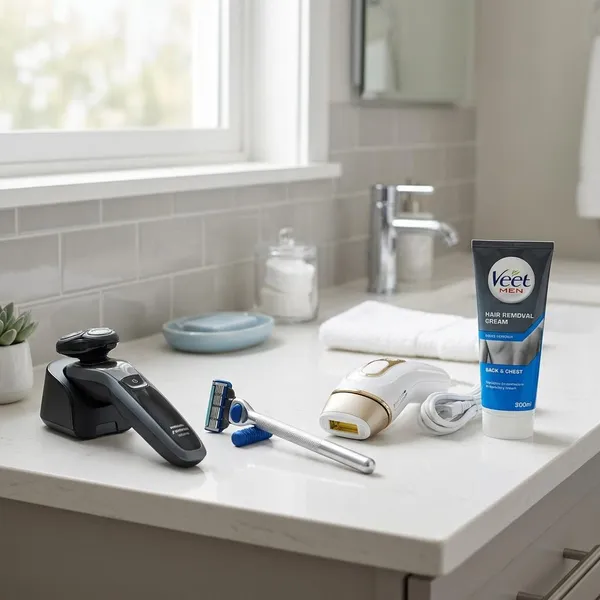
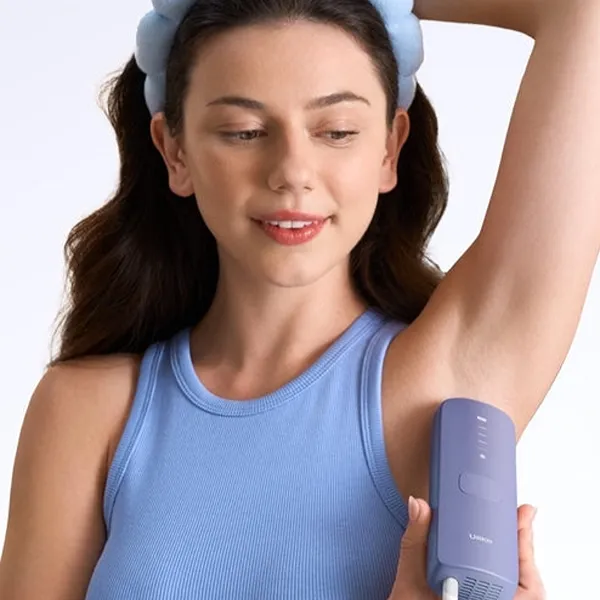
If you are searching for dermatologist recommended at home laser hair removal, the safest answer is to choose by skin compatibility first, not by power claims. Dermatologists usually care most about whether the device suits your skin tone and hair color, has built-in safety controls, and can be used consistently without irritating your skin.
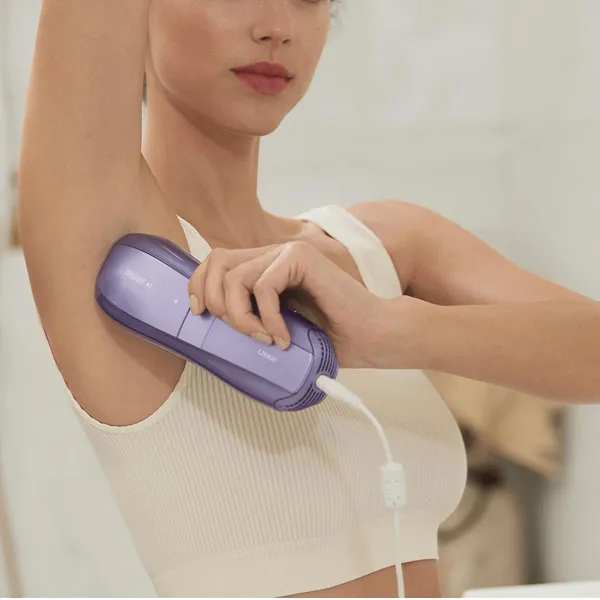
What do dermatologists recommend for at-home hair removal?
Dermatologists generally recommend treating at-home hair removal like a compatibility decision. IPL and home laser devices use light energy to target pigment in the hair, so results depend heavily on the contrast between your hair and skin. A good device for one person can be a poor choice for someone with a different skin tone, hair color, sensitivity level, or treatment area.
The first priority is safety, then realistic results, then convenience. If a device does not match your skin and hair profile, extra modes or higher intensity will not fix that. If it feels too uncomfortable to use regularly, you may not stay on schedule long enough to see meaningful reduction.
Check your skin tone and hair color
This is the first check because it affects both safety and results. At-home IPL and laser devices usually work best on darker hair with enough pigment for the light to target. Very light blonde, red, gray, or white hair often responds poorly because there is less pigment in the follicle.
If your skin is deeper in tone, be more cautious. More pigment in the skin can increase the chance of heat-related irritation if the device is not designed for your tone. Use the brand's skin tone chart before buying, and do a small patch test before treating a full area.
Choose built-in safety features
For home use, safety features are not extras. They are what help replace some of the judgment a professional would use in a clinic. Look for a skin tone sensor, contact detection, multiple intensity levels, and clear mode guidance.
Cooling can also matter if you are treating sensitive areas such as underarms or the bikini line. A device that feels tolerable is easier to use on schedule, and consistency usually matters more than trying the highest setting once.
Follow approved treatment areas
Use the device only on areas approved by the manufacturer. Legs, arms, underarms, and bikini line are common treatment zones, but facial use and sensitive areas vary by device. Avoid the eye area, tattoos, broken skin, active rashes, and irritated patches.
Which at-home hair removal devices are worth considering?
The right device depends on how you plan to use it. Someone treating only a small upper-lip area may prefer a targeted laser device. Someone doing legs, arms, underarms, and bikini line throughout the year will usually care more about speed, cooling, and easy glide coverage.
| Device | Best fit | Main trade-off |
|---|---|---|
| Ulike Air 10 | Comfort-focused IPL for multiple areas and stubborn hair | Still depends on IPL-compatible skin and hair |
| Braun Silk-expert Pro 5 | Users who want automatic skin tone adjustment during IPL sessions | Less focused on cooling comfort than some newer options |
| Tria Hair Removal Laser 4X | Small, targeted areas where a home laser style is preferred | Smaller treatment window can make large areas slow |
Why is Ulike Air 10 our top IPL pick?
Ulike Air 10 stands out because it focuses on the parts of home IPL that decide whether people continue: comfort, speed, skin tone support, and stubborn-hair settings. Those details are more useful than a device that only advertises intensity.
It is not the right choice for every skin tone or every hair color, and it should not be treated as a medical replacement for professional care. But for users who are good IPL candidates and want a smoother home routine, its feature mix is practical.
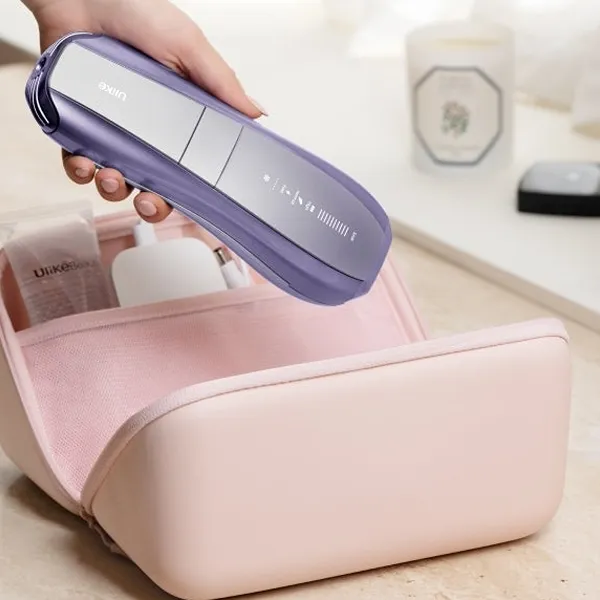
Sapphire Ice Cooling for added comfort
Sapphire Ice Cooling is useful because IPL can feel sharp or hot, especially on underarms, bikini line, ankles, and other sensitive spots. Cooling helps make those areas less intimidating, which matters if you have avoided home devices because of discomfort.
SHR mode for stubborn hair
SHR mode is aimed at coarse or persistent hair that may need a more tailored approach than a basic flash setting. Think underarms or the bikini line, where regrowth can be particularly coarse or stubborn.
It should still be used with realistic expectations. Stubborn hair does not disappear overnight, and using the mode more often than directed is not a shortcut.
SkinSensor for skin tone adjustment
SkinSensor helps reduce setting guesswork by detecting skin tone and automatically adjusting energy in Fast, Normal, and High modes. However, skin tone detection is not available in SHR mode, so you should confirm that your skin tone is compatible before using that mode.
It does not mean every skin tone is suitable. The safer move is still to confirm compatibility first, then let the sensor add another layer of protection during treatment.
AutoGlide for faster full-body treatments
AutoGlide is most valuable when you are treating larger areas. If your plan is summer-only leg maintenance, speed is convenient. If your goal is year-round full-body upkeep, speed can be the difference between staying consistent and giving up after a few sessions.
Who is Ulike Air 10 best for?
Ulike Air 10 is best for people who are likely to respond well to IPL and want a device that feels manageable enough for repeated use. It is especially appealing if you want one device for several body areas rather than a small precision tool.
It is less suitable if your hair has little pigment, your skin tone is outside the compatible range, or you have a skin condition that makes light-based treatment risky. In those cases, a dermatologist or licensed provider can give safer guidance.
Users with IPL-compatible skin and hair
The best candidates usually have darker hair and a skin tone within the device's approved range. If your hair is gray, white, red, or very light blonde, IPL may not give the reduction you expect, even with a good device.
Users with coarse or stubborn hair
Coarse hair on underarms, bikini line, or lower legs can be frustrating because it may feel like it returns quickly after shaving. Ulike Air 10 is a good fit for users who want mode options for these tougher zones while still using one device at home.
Users who want more comfortable treatments
If pain tolerance is your deciding factor, cooling is a serious advantage. Someone who only treats arms may not care as much, but someone treating bikini line or underarms regularly will notice comfort more.
Users treating multiple body areas
Ulike Air 10 suits people who want a practical routine for legs, arms, underarms, and bikini line. Fast glide use matters here because full-body treatment can feel like a chore if every flash requires slow manual placement.
If you only need tiny spot work, a targeted device may be enough. If you want a repeatable routine across several areas, Ulike Air 10 is the more convenient style of tool.
How can you use Ulike Air 10 safely?
Safe use starts with preparation, not the first flash. Shave the area, remove products from the skin, choose the right mode, and follow the schedule in the manual. Do not raise intensity or repeat sessions too often just because you want faster results.
Be more cautious if your skin is recently tanned, irritated, freshly exfoliated, or unusually sensitive. If you are using medications that affect light sensitivity or you have an active skin condition, ask a qualified professional before using any at-home IPL device.
Shave before treatment
Shave the area before using IPL so the light can focus below the skin surface instead of heating visible hair. Avoid waxing or plucking beforehand because those methods remove the hair root the device is trying to target.
Start with clean dry skin
Use the device on bare, dry skin. Remove lotion, oil, sunscreen, deodorant, self-tanner, or makeup from the treatment area because residue can interfere with contact and may make irritation more likely.
- After showering: dry the skin fully before starting.
- After deodorant or sunscreen: wash the area instead of wiping quickly.
- After self-tanner: avoid treatment until the brand's guidance says it is safe.
Use the recommended mode
Choose the mode suggested for the area and hair type. Coarse underarm hair may need a different approach from finer arm hair, and sensitive areas may need a gentler start.
If you are unsure, begin with a lower suitable setting and watch your skin response. Redness that settles quickly can be normal for some users, but burning, blistering, or lasting irritation is a reason to stop and seek advice.
Follow the treatment schedule
Use the schedule in the manual rather than treating randomly. Hair grows in cycles, so regular sessions matter more than extra flashes in one sitting.
A calendar reminder helps if you are using the device for long-term maintenance. Skipping weeks can slow progress, while overusing the device can increase irritation without guaranteeing better results.
Treat only approved areas
Stay with the body areas the brand approves. Do not use the device near the eyes, over tattoos, on broken skin, over active rashes, or on areas that feel sunburned or inflamed.
For facial use, check the instructions carefully before starting. Facial skin can react differently from legs or arms, and not every device is cleared for the same facial zones.
Conclusion
The best at-home hair removal device is the one that fits your skin, hair, treatment areas, and patience level safely. Ulike Air 10 is a strong IPL pick if you want cooling comfort, support for stubborn hair, and faster full-body use, but the first decision should always be compatibility. If your skin tone or hair color is not a good match, choosing a different method is smarter than forcing a light-based device to work.