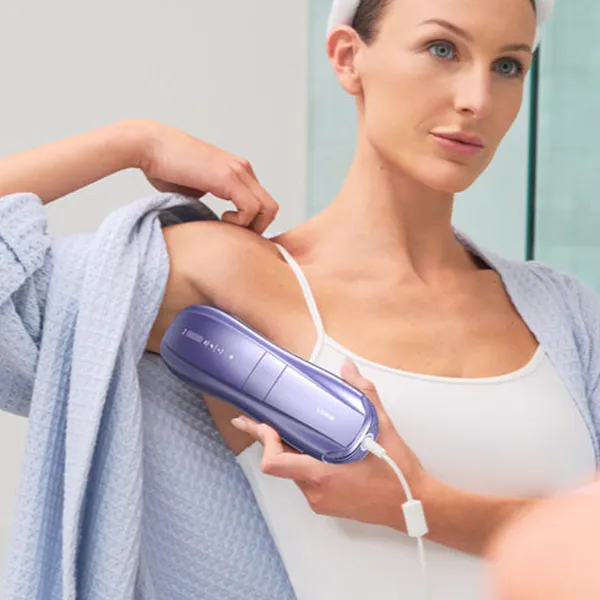
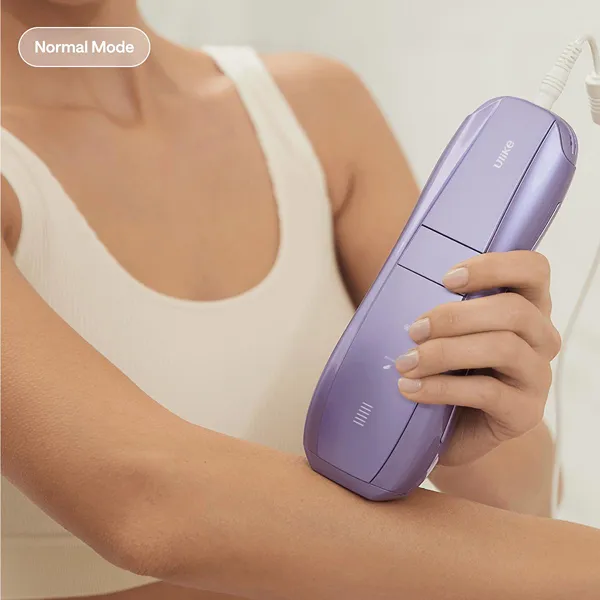
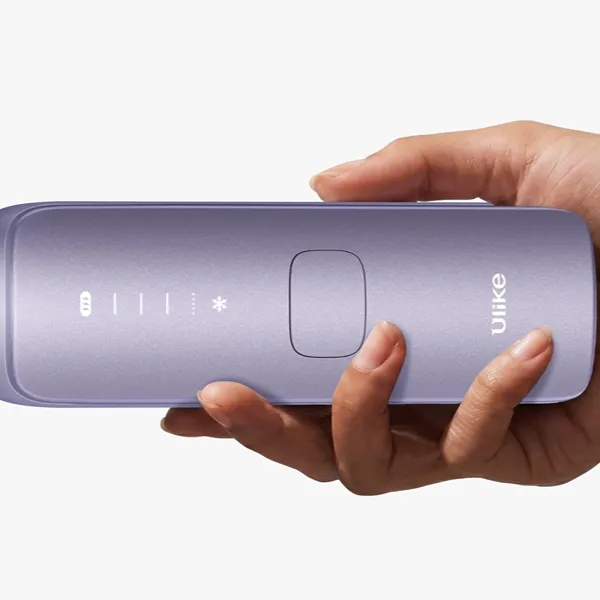
Cooling is worth paying for if heat sensitivity, longer sessions, or the bikini and underarm areas are your main concern. If you already tolerate IPL well and mostly want a lower-cost device for simple areas, a non-cooling model can still be a sensible choice. In a cooling vs non-cooling home IPL hair removal devices comparison, comfort is the biggest difference; the light energy, skin and hair compatibility, and consistent use still matter more for results.
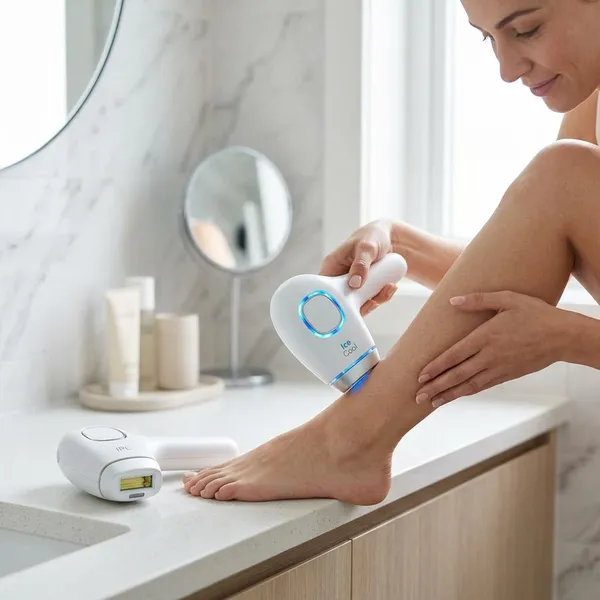
What Cooling Changes During IPL
Cooling mainly changes the way IPL feels while you use it. A chilled contact plate or cooled treatment window helps manage the surface warmth that builds as the flashes touch your skin.
That matters because home IPL is a routine, not a one-time treatment. If the device feels too hot or unpleasant, it is easier to skip areas, rush the session, or turn the intensity down more than you otherwise would.
Lowers skin surface heat
The clearest benefit is less heat on the top layer of the skin. The flash may still feel warm or snappy, but the cooled surface can make that sensation feel less sharp.
This is most noticeable if your skin reacts quickly to heat-based beauty tools. For example, someone who finds underarm IPL uncomfortable after only a few flashes may feel more confident using a cooled device than a basic non-cooling model.
Reduces heat buildup between flashes
Warmth can build gradually when you treat nearby spots one after another. Cooling helps keep the skin feeling closer to a steady baseline instead of letting every pass feel hotter than the last.
Makes longer sessions more comfortable
Longer routines are where cooling starts to feel less like a luxury and more like a practical feature. Treating both legs, arms, underarms, and bikini line in one sitting can become tiring even when each individual flash is tolerable.
- Full-body weekly routine: cooling can reduce the urge to stop halfway through.
- Small-area routine: non-cooling may be enough if you only treat underarms or a small bikini edge.
- Low pain tolerance: cooling can make it easier to stay relaxed and careful.
Helps on heat-sensitive areas
Areas such as the bikini line, underarms, upper lip, knees, and ankles often feel stronger because the skin is more sensitive or the shape is harder to treat evenly. Cooling can make these spots feel less intimidating, especially for beginners.
Does Cooling Make IPL More Effective?
Cooling does not make IPL more powerful by itself. Hair reduction still depends on whether the device can deliver suitable light energy to the hair pigment, whether your skin and hair are a good match, and whether you use it regularly.
Cooling does not increase IPL effectiveness by itself
Not on its own. A cooled treatment window can make the flash feel gentler, but it does not turn a weak device into a stronger one or override a poor skin-tone and hair-color match.
Energy delivery still drives the treatment
The feature list should not distract from the treatment fundamentals. When comparing models, look at the parts that directly affect whether you can use the device properly:
- Skin and hair compatibility: home IPL usually needs enough contrast between hair pigment and skin tone.
- Intensity range: you need settings that feel tolerable without being automatically too low for every area.
- Contact reliability: poor contact can cause missed flashes and patchy coverage.
- Session schedule: the best device is the one you can use consistently, not just the one with the longest feature list.
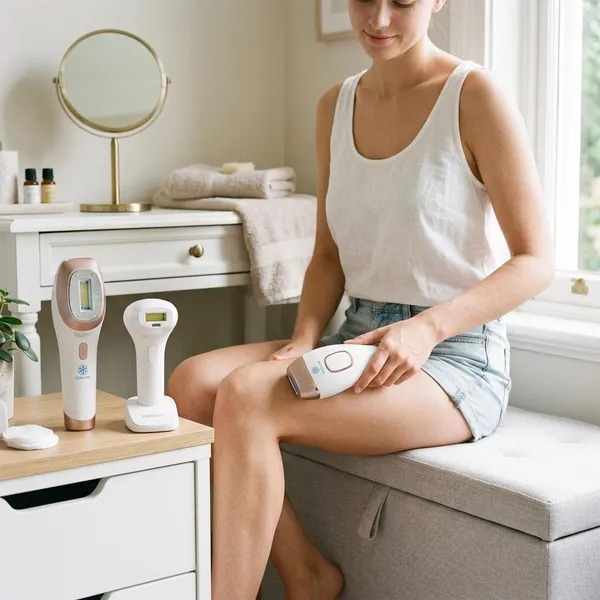
Cooling vs Non-Cooling IPL for Full-Body Use
Full-body use puts more pressure on comfort, speed, window size, and hand feel. A device that seems fine for five minutes can feel very different when you are working through both lower legs and then trying to finish underarms or bikini line.
For someone treating only a few small areas before summer, a simple non-cooling device may be enough. For someone planning year-round maintenance across large areas, cooling and treatment speed become more important.
Cooling can improve comfort on larger areas
Large areas require many repeated flashes, so the problem is often cumulative warmth rather than one painful flash. Cooling can help you move through legs, arms, chest, or back with fewer comfort breaks.
It can also help you stay more careful. When treatment feels too hot, people tend to rush, miss strips of skin, or avoid awkward angles. A calmer skin feel can make coverage more even, which is especially useful on broad areas.
Non-cooling devices can be simpler to handle
A non-cooling device can be the better choice if you value light weight, simple controls, and a lower price. Some cooled models feel bulkier, and that can matter when you are reaching around ankles, knees, shoulders, or the back of the legs.
Choose this route if you already know heat is not a major issue for you and you are treating lower-risk, easier areas such as legs or arms. I would be more cautious if your main goal is bikini, underarms, or face-adjacent use, where comfort and control matter more.
Flash speed affects treatment time
Flash speed controls how long you wait between pulses. A comfortable device can still feel annoying if every flash has a slow recovery time, especially on legs or arms.
When comparing product pages, look for practical speed clues: glide mode, flash interval, and whether the device slows down at higher settings. Cooling may reduce your need for breaks, but it does not automatically make the lamp fire faster.
Window size affects coverage
A larger treatment window covers more skin per flash, which is helpful for thighs, calves, forearms, and other broad areas. A smaller window gives more control around curves and edges but usually takes longer.
The best match depends on your main use. If your routine is mostly full legs, prioritize coverage and speed. If you mainly want bikini edges, underarms, or upper lip use where allowed by the brand, precision may matter more than a large window.
Which Type Should You Choose?
Start with the non-negotiables: skin tone compatibility, hair color compatibility, allowed treatment areas, and your budget. After that, decide whether comfort is important enough to pay extra for cooling.
Choose cooling IPL for better comfort
Pick cooling if discomfort is the thing most likely to stop you from using IPL consistently. It is especially useful for first-time users, people with low heat tolerance, and anyone who wants to complete bigger sessions without dreading the warm snap of each flash.
The mistake to avoid is buying cooling and then ignoring the instructions. Comfort does not mean you should jump to the highest setting, treat irritated skin, or use the device on excluded areas.
Choose cooling IPL for sensitive areas
Cooling makes the strongest case when your priority areas are underarms, bikini line, upper lip, or other spots that tend to feel sharper. In those areas, a gentler surface feel can make the difference between using the device properly and avoiding the area altogether.
Choose non-cooling IPL for a lower price
Non-cooling IPL makes sense if your budget is tighter, your skin is not especially heat-sensitive, and you mainly want to treat straightforward areas. You still need a device that matches your skin tone and hair color, but you may not need to pay extra for a comfort feature you will barely notice.
This is the practical choice for someone who wants occasional maintenance on legs or arms and does not mind a warm sensation. It is less ideal if you already know you quit beauty routines when they feel uncomfortable.
Conclusion
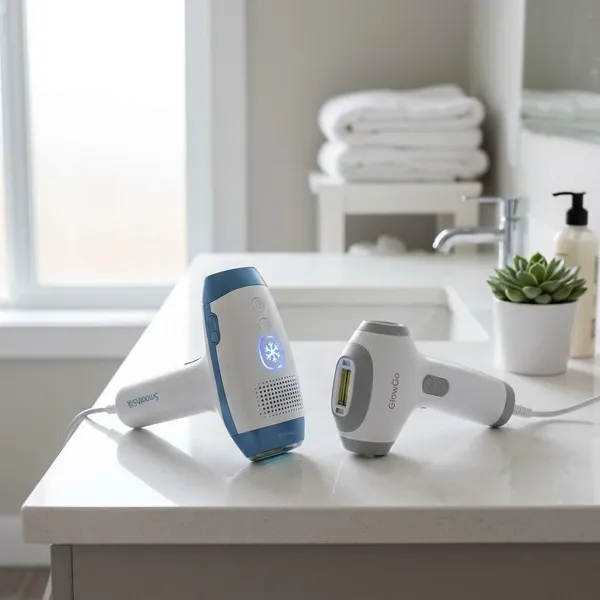
Choose cooling IPL if comfort will help you stay consistent, especially for long sessions or sensitive areas; choose non-cooling IPL if you want a simpler, cheaper device and you tolerate IPL warmth well. The smarter decision is not the coldest device by default, but the one that fits your skin and hair compatibility, treatment areas, session length, and budget without making the routine harder than it needs to be.