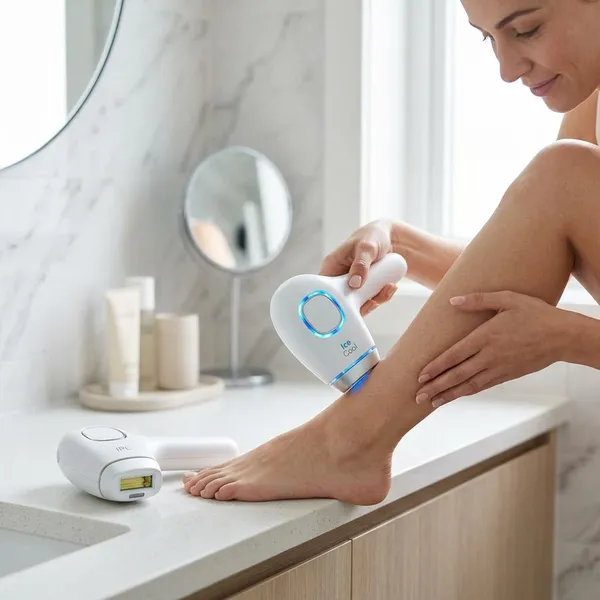
If you want to compare at-home IPL hair removal device vs professional salon costs, the cheaper choice usually comes down to how many areas you want to treat and how long you plan to keep doing maintenance. A home device costs more on day one, but the cost per use drops quickly if you use it regularly. Salon treatment costs less to start, then keeps adding up with every area, session, and touch-up.
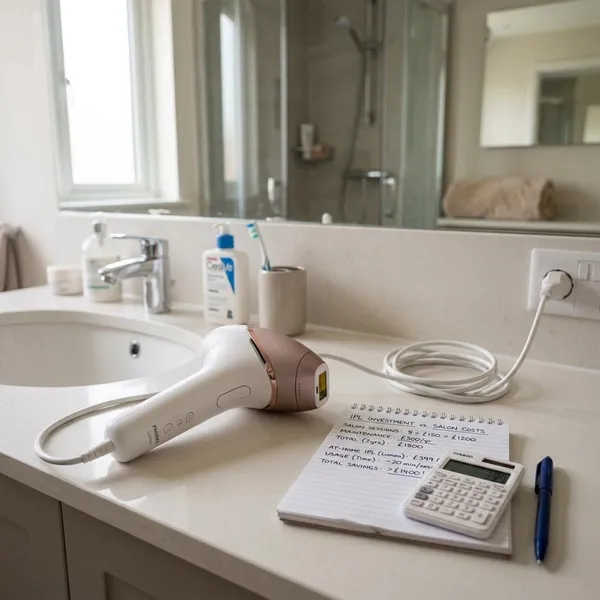
At-home IPL vs salon costs at a glance
The first thing to check is not the price of one session. Check the full treatment plan: device price or salon package, number of areas, expected sessions, maintenance, and the time cost of getting it done.
| Cost question | At-home IPL | Professional salon |
|---|---|---|
| Starting cost | Usually one device purchase | One paid session or package deposit |
| Best for | Multiple areas, regular maintenance, privacy | Guided treatment, faster progress, less DIY effort |
| Where costs grow | Mostly if the device is not used or needs accessories | Every extra area, visit, and touch-up |
| Main risk | Buying a device that does not suit your skin, hair, or routine | Underestimating the full course cost |
Home IPL requires one upfront purchase
Most home IPL devices sit somewhere around the budget-to-premium range, often from roughly $150 to $500 depending on the brand and features. After that purchase, you are not paying a new fee each time you treat your underarms, legs, bikini line, arms, or other suitable areas.
Salon treatments charge per session
Salons and clinics usually price hair removal by area and visit. A small area may feel affordable at first, but a full course commonly means several appointments, and larger areas such as legs, back, or chest can raise the total quickly.
- Small area only: salon pricing may stay manageable.
- Several areas: the total can move into hundreds or thousands.
- Long-term touch-ups: each visit keeps adding to the bill.
Total cost depends on treatment areas
Area choice can change the winner. Someone treating only the upper lip before a holiday might not need to buy a device at all. Someone planning year-round underarm, bikini, and leg maintenance will usually get more value from one home IPL purchase.
Long-term value depends on usage
Long-term value is less about the cheapest advertised price and more about what you will actually stick with. Home IPL rewards patience and consistency; salon treatment rewards people who want appointments, guidance, and less responsibility for settings and scheduling.
- Will I use a home device on schedule? If not, the savings may never happen.
- Do I want several areas treated? If yes, home IPL usually becomes stronger financially.
- Do I need professional reassurance? If yes, the salon premium may be worth paying.
At-home IPL cost breakdown
Home IPL devices are not all equal, so comparing only the sticker price can be misleading. Treatment speed, comfort, safety sensors, flash count, attachments, and warranty can all affect whether the device feels worth keeping.
Budget IPL devices
Budget IPL devices are usually the easiest way to test whether home hair removal fits your routine. They often suit smaller areas or lighter use, but they may feel slow on legs or multiple body zones.
Mid-range IPL devices
Mid-range devices often give the best balance for regular users. They may offer faster flashes, more intensity levels, better handling, and attachments that make different areas easier to treat.
For someone doing underarms and bikini line all year, or adding legs during warmer months, this range can be the sweet spot: not the highest upfront cost, but comfortable enough that you are more likely to keep using it.
Premium IPL devices
Premium devices usually charge more for comfort and convenience rather than a guaranteed dramatic difference in results. Features such as cooling, app guidance, smarter sensors, or better attachments can matter if discomfort or confusion would stop you from staying consistent.
They make the most sense for frequent use, larger areas, or shared household use where the device will be used often enough to justify the price.
Cost per use over time
A quick cost-per-use calculation makes the decision clearer. If a device costs $300 and you use it 50 times, that is about $6 per use before any accessories. If each use covers more than one area, the cost per treated area becomes lower.
- Add the real purchase cost: include attachments, cartridges, or shipping if they apply.
- Estimate realistic use: count initial sessions and likely maintenance, not an ideal schedule you may not follow.
- Divide cost by uses: this shows whether the device becomes cheap over time.
- Compare the same areas: do not compare one home session for legs and underarms with one salon price for only underarms.
Professional salon hair removal costs
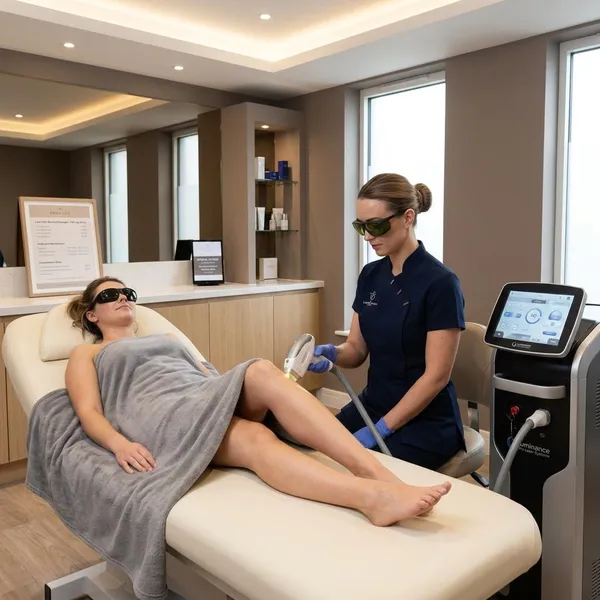
Professional treatment usually costs more because you are paying for the equipment, appointment time, technician support, and treatment planning. That higher price can be worthwhile, but only if you understand the full course rather than the first-session offer.
Session prices by treatment area
Salon prices usually rise with the size and difficulty of the area. Upper lip, chin, or underarms are often much cheaper than full legs, chest, back, or multiple areas booked together.
Full treatment course costs
A full course often requires several sessions because hair grows in cycles. Many providers suggest a series rather than one appointment, so the real number to compare is the estimated course total.
Maintenance session costs
Maintenance is where salon costs can creep back in. Even after good reduction, some people still need occasional touch-ups, and those visits may be billed like regular sessions or under a returning-client rate.
If you want smooth maintenance before summer or for a specific event, salon touch-ups can be convenient. If you want ongoing year-round control, paying every time regrowth appears can become frustrating compared with owning a device.
Added costs such as travel and consultations
The invoice is not always the full cost. Consultation fees, patch tests, deposits, cancellation charges, parking, childcare, or time away from work can make salon treatment more expensive than it first looks.
- Ask about consultation and patch-test fees before comparing providers.
- Check cancellation rules if your schedule changes often.
- Include travel time if appointments would interrupt work or family plans.
Which option offers better long-term value
At-home IPL usually offers better long-term financial value, especially for multi-area use. Professional treatment can still be the better value if you need expert handling, have a harder-to-treat situation, or know you will not keep up with home sessions.
Home IPL for multiple treatment areas
Home IPL is strongest when one device can cover several suitable areas. Underarms plus bikini line plus legs is a very different budget decision from upper lip only, because salon pricing keeps multiplying by area and session.
It is also a good fit for people who prefer privacy. If you are comfortable following instructions, doing patch tests, and avoiding areas the device manual says not to treat, home use can be both cheaper and more convenient.
Salon treatment for faster progress
Salon treatment may be worth the higher cost if speed matters more than savings. A bride planning months ahead, someone with a busy work schedule, or a person who does not want to manage settings alone may prefer a structured professional course.
Home IPL for flexible maintenance
Home IPL has a clear maintenance advantage: small touch-ups do not require a new appointment. That is useful when regrowth is patchy or when you only want to tidy up before wearing shorts, swimwear, or sleeveless tops.
Professional treatment for customized care
Professional care is the safer choice when you are unsure about suitability, have sensitive skin concerns, or want someone experienced to adjust the treatment plan. It may also be better for areas where you feel uncomfortable using a home device.
For a practical decision, start with risk and routine before price. If your skin and hair type match a home device and you will use it consistently, home IPL usually wins on cost. If you need guidance or would rather pay for someone else to manage the process, salon treatment can still be the better personal choice.
Conclusion
Home IPL usually saves more over time when you treat several areas and keep up with maintenance, while salon treatment earns its higher price when professional guidance, speed, or confidence matters more than the lowest total spend. The best choice is the one you will actually complete safely and consistently, not simply the option with the cheaper first price.