For most people, an at home laser hair removal tools cost comparison comes down to one question: are you paying for better results, or just a device that is easier to keep using? Basic IPL tools can start around $60, while premium IPL and true laser devices can reach several hundred dollars. The right choice depends less on the highest advertised power and more on your skin and hair match, treatment area, comfort tolerance, and how often you will realistically use it.
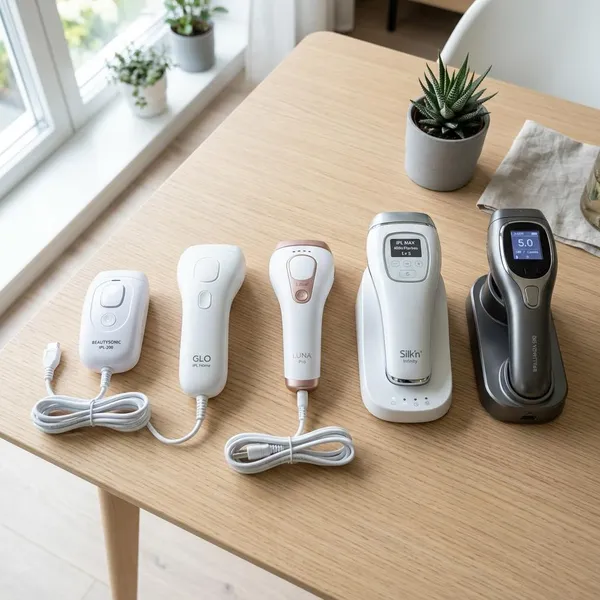
How much do at-home laser hair removal tools cost
Home hair removal devices usually fall into four price bands. Most products sold as "laser hair removal" for home use are actually IPL devices, so check the technology before comparing prices.
| Device type | Typical price range | Best fit | Main trade-off |
|---|---|---|---|
| Budget IPL | $60–$150 | Small areas, first-time testing, tight budgets | Slower sessions and fewer comfort features |
| Mid-range IPL | $150–$300 | Regular use on a few body areas | May still lack advanced cooling or premium attachments |
| Premium IPL | $300–$500+ | Full-body routines and long-term convenience | Higher upfront cost |
| True home laser | $400–$600+ | Smaller, more targeted areas | Often slower for large areas |
What changes the price of a home hair removal tool
The price difference is usually not just about "stronger light." You are paying for how safely, quickly, and comfortably the device helps you repeat treatments over several weeks or months.
Light technology
Most home devices use IPL, which spreads broad-spectrum light over a treatment area and is generally more convenient for larger zones. True laser devices use a more focused wavelength and may suit targeted areas better, but they are usually slower for full-body use. Branded terms such as "OPT" or "enhanced pulsed light" may describe refinements of IPL, so look for what the feature actually changes: comfort, pulse consistency, or treatment speed.
Treatment speed
Treatment speed becomes important as soon as you move beyond small areas. A device can be affordable and technically functional, but if it flashes slowly or has a tiny window, full legs can feel tedious fast.
- Small area only: speed matters less; a cheaper device may be fine.
- Legs or arms: look for a larger window and a reliable glide mode.
- Multiple areas weekly: faster flashes can be worth paying for because skipped sessions reduce value.
Cooling and comfort features
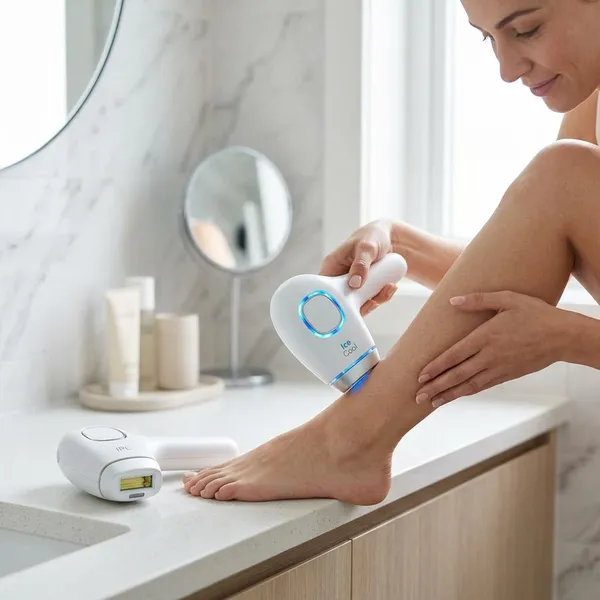
Cooling plates, sapphire cooling, or similar features usually raise the price, but they can make treatment much easier to tolerate. This matters most on sensitive areas such as underarms, bikini line, and parts of the face where a sharp heat sensation may make you avoid the next session.
If you have low pain tolerance, comfort is not a luxury feature. A cheaper device that sits unused after two attempts is more expensive in practice than a pricier one you can use consistently.
Safety sensors
Safety sensors can include simple skin-contact checks, skin tone readers, or automatic intensity adjustment. These features are especially useful for beginners because they reduce guesswork, but they do not replace the instruction manual, patch testing, or avoiding areas the manufacturer excludes.
- Worth prioritizing: if you are new to IPL or unsure which intensity to use.
- Still required: a patch test before treating a larger area.
- Be cautious: over tattoos, irritated skin, recently tanned skin, or any area the brand says to avoid.
Attachments and accessories
Attachments can change the real value of a device. A body head speeds up large areas, while a smaller cap gives better control around the face, bikini line, or curves. Cases, razors, charging stands, apps, and longer warranties can be useful, but they should not distract from the basics: suitable technology, safe use, comfort, and treatment speed.
Are expensive home IPL devices worth it
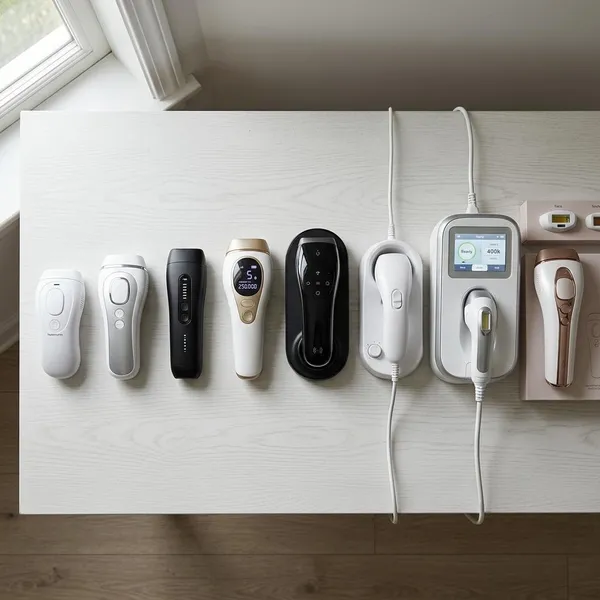
Expensive home IPL devices are worth it when they solve a real problem in your routine: sessions take too long, sensitive areas feel too uncomfortable, or you want one device for several body zones. They are less worth it if you only want occasional touch-ups or are still testing whether light-based hair reduction suits you.
Better comfort and faster sessions
Premium models often earn their price through comfort and speed rather than instant dramatic results. Better cooling, smoother pulse delivery, automatic intensity adjustment, and quicker flash intervals make the process easier to repeat.
More convenient full-body treatments
A premium IPL device is usually the better fit for full-body use because it can move more smoothly across large areas. Larger windows, glide modes, and better grip design sound minor until you are halfway through your second leg.
When cheaper devices make more sense
Cheaper devices make more sense when the job is simple. If you want to treat one small area, are comfortable with slower flashes, and mainly want to keep the upfront cost low, a budget IPL tool can still be useful.
- First-time trial: choose a lower-cost device before committing to premium.
- Small treatment zone: speed and large attachments matter less.
- Tight budget: avoid stretching for features you may not use.
- Unsuitable skin or hair match: do not buy any device until the brand's suitability chart is clear.
Conclusion
The best buy is the device that matches your actual routine, not the one with the most impressive product page. Choose budget IPL for small areas or a low-risk trial, mid-range IPL for a balanced everyday option, premium IPL for faster full-body maintenance, and true laser only if focused treatment matters more than speed. If the device is safe for your skin and hair type, comfortable enough to repeat, and realistic for the areas you want to treat, the cost is much easier to justify.