The best alternatives to laser hair removal depend on one thing first: whether you want permanent removal, long-term reduction, or just smoother skin for a few weeks. Electrolysis is the strongest choice for permanent results, IPL can reduce regrowth over time when your hair and skin tone are a good match, and waxing or sugaring is better when you want a lower-commitment option.
Best Alternatives to Laser Hair Removal
Before comparing methods, check your goal and your hair color. A person treating a few stubborn chin hairs needs a different solution from someone who wants smoother legs all summer, and light hair responds very differently from dark hair.
| Method | Best fit | Main tradeoff |
|---|---|---|
| Electrolysis | Permanent removal, small areas, light-colored hair | Slow because each follicle is treated individually |
| IPL | Long-term reduction at home, usually dark hair with lighter skin | Needs repeat sessions and maintenance |
| Waxing or sugaring | Smoothness for weeks without buying a device | Temporary and can be uncomfortable |
| Shaving, epilating, creams, threading | Quick or budget-friendly grooming | Results are shorter-lived or area-specific |
Electrolysis for permanent hair removal
For true permanent hair removal, electrolysis is the most dependable non-laser option. It uses a fine probe and electrical current to treat follicles one at a time, so it can work on blonde, red, gray, and white hairs that light-based devices often miss.
IPL for long-term hair reduction
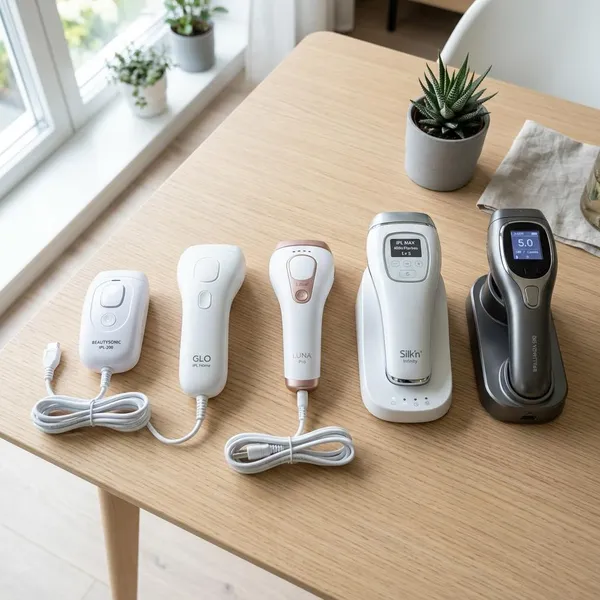
IPL, or intense pulsed light, is not permanent hair removal. It targets pigment in the hair to reduce future regrowth, which is why it usually works best when there is clear contrast between darker hair and lighter skin.
- Good fit: dark hair on areas like legs, underarms, arms, or bikini line.
- Less reliable: blonde, red, gray, or white hair with little pigment.
- Important check: confirm your skin tone and hair color are within the device or clinic's recommended range before starting.
IPL is useful if shaving every few days feels annoying but electrolysis feels too slow or costly for a large area. It is better viewed as long-term management, not a one-time fix.
Waxing and sugaring for longer-lasting smoothness
Waxing and sugaring remove hair from the root, so they usually last longer than shaving. Many people get a few weeks of smoother skin, although the exact timing depends on the area and growth cycle.
These methods make sense for temporary smoothness before a trip, summer clothing, or regular salon maintenance without buying a device. Sugaring may feel gentler for some people, while waxing is widely available and efficient for larger areas.
- Choose waxing or sugaring if you want smoother skin now and can tolerate some discomfort.
- Be cautious if you are prone to ingrown hairs, irritation, or very reactive skin.
- Use shaving or creams instead when you need the fastest low-cost option, accepting that regrowth comes back sooner.
Where Ulike IPL Fits In
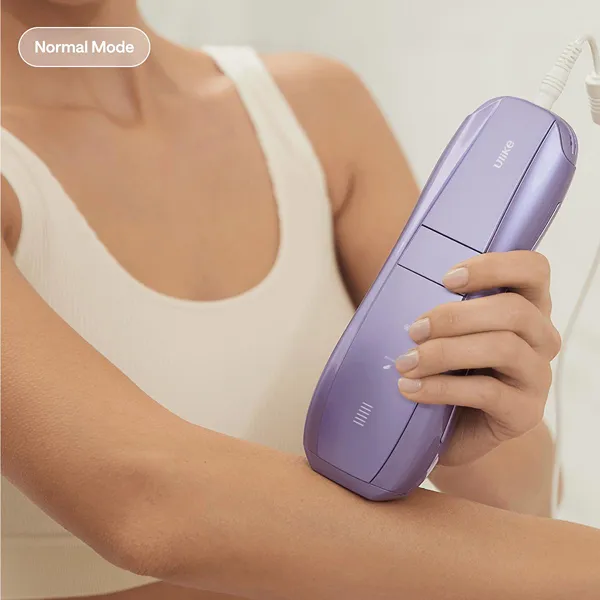
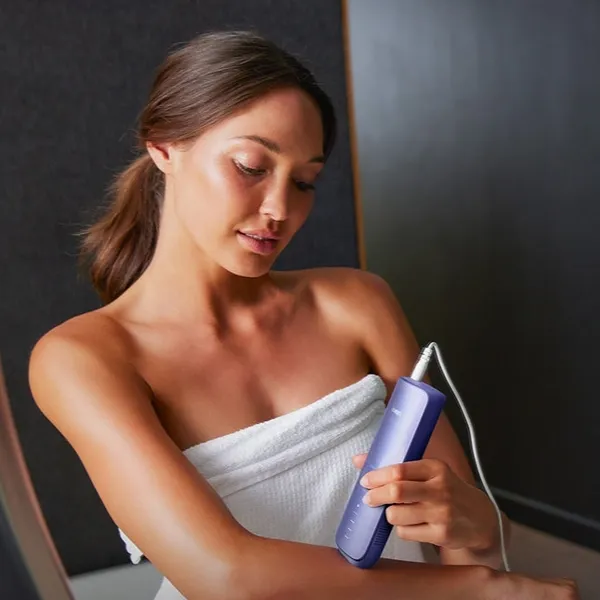
Ulike fits into the at-home IPL category. It is for people who want a more lasting routine than shaving or waxing, but do not want regular clinic appointments or a permanent treatment process like electrolysis.
Uses IPL for long-term hair reduction
Ulike uses IPL flashes to target pigment in the hair follicle area and gradually reduce regrowth. That can be helpful for someone who shaves underarms or legs often and wants the hair to come back slower, finer, or in thinner patches over time.
It is not the right expectation if you want every hair gone permanently after a few uses. At-home IPL rewards routine: regular sessions first, then touch-ups when regrowth becomes noticeable.
Adds Sapphire Ice Cooling for comfort
Sapphire Ice Cooling is meant to make the skin feel cooler during flashes, which can matter more than it sounds. If a device feels too hot or uncomfortable, many people stop using it before the results have time to build.
Cooling does not guarantee a painless experience, especially around sensitive areas like the bikini line or underarms. A sensible first step is to test a small patch, wait to see how your skin reacts, and only then treat a larger area.
Works best with dark hair and lighter skin
Ulike, like most IPL options, is most likely to be effective when the hair has enough pigment for the light to target. Darker hair with lighter skin is typically the easiest match.
- Better match: dark brown or black hair within the device's approved skin tone range.
- Poorer match: blonde, red, gray, or white hair.
- Higher-caution situation: deeper skin tones or recently tanned skin, where suitability and safety guidance matter more.
If your hair is very light, electrolysis is usually the more reliable route. If your hair is dark and you want a home routine, IPL becomes a more practical option.
Requires repeat and maintenance sessions
Ulike IPL needs repeated use because hair grows in cycles and not every follicle is at the same stage at the same time. Skipping the early routine is one of the most common reasons people feel disappointed with at-home IPL.
- Check suitability first: compare your skin tone and hair color with the device guidance.
- Patch test: try a small area before treating a full leg, arm, or bikini line.
- Shave before use: IPL works best when light is aimed below the skin surface, not at long hair above it.
- Stay consistent: follow the recommended schedule before judging the result.
- Maintain as needed: different areas may need touch-ups at different times.
Which Alternative Is Best for You?
Start with the result you actually want. Permanent removal points toward electrolysis, long-term at-home reduction points toward IPL, and short-term smoothness points toward waxing, sugaring, shaving, epilating, threading, or creams.

Choose electrolysis for permanent removal
Choose electrolysis if you want the closest thing to a final answer, especially for small areas or hairs that IPL and laser cannot target well. It is a strong choice for light-colored facial hair, hormonal chin hairs, or scattered stubborn hairs that keep coming back.
It is less convenient for large areas because every follicle needs individual treatment. If your goal is full legs or a large back area, ask about the time and cost before assuming electrolysis is the most practical route.
Choose Ulike IPL for at-home long-term reduction
Choose Ulike IPL if your hair and skin tone are suitable and you want fewer shaving sessions over time without booking regular appointments. It is especially practical for larger areas you can treat at home, such as legs, arms, underarms, or bikini line.
- Good everyday scenario: you shave often and want regrowth to become slower and easier to manage.
- Good seasonal scenario: you want smoother skin for summer but prefer starting a routine before you need visible results.
- Not ideal: you have very light hair, cannot follow repeat sessions, or want permanent removal with no maintenance.
Conclusion
The most sensible choice is usually clear once you separate permanence from convenience: electrolysis for permanent removal, Ulike IPL for at-home long-term reduction when your coloring is suitable, and waxing or sugaring when you only need smoother skin for a while. Check hair color and skin tone first, then choose the method you can realistically maintain without overpaying or expecting the wrong kind of result.