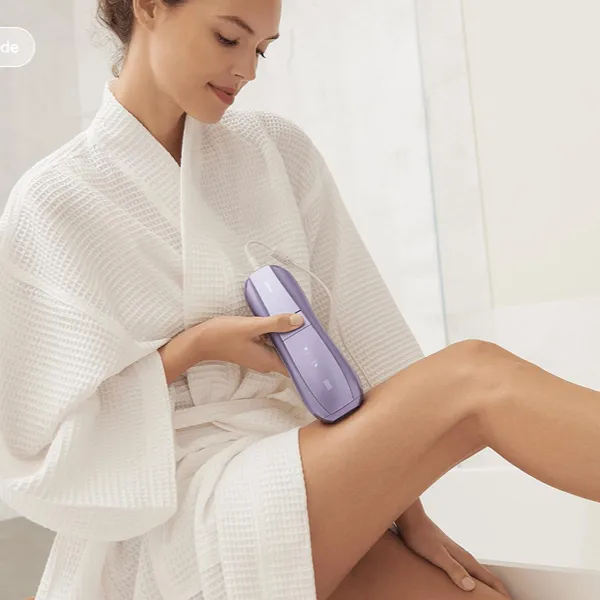
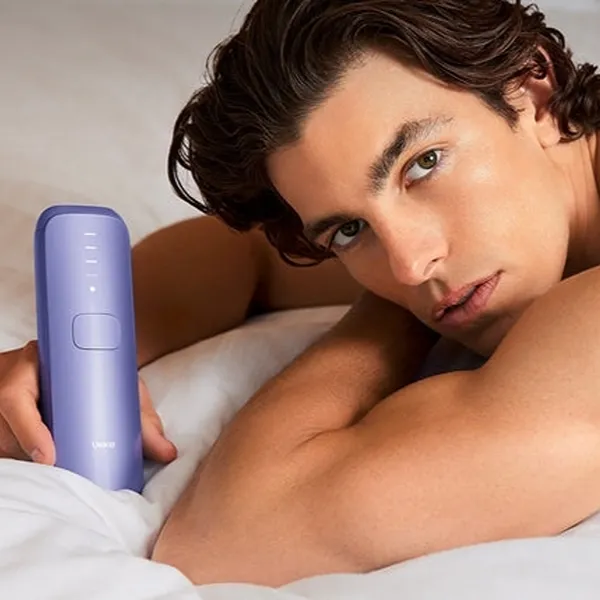
Ulike Air 10 is usually most practical when there is a clear contrast between lighter skin and dark hair. If your skin is very deep, recently tanned, or your hair is blonde, red, grey, or white, IPL may be less effective or not a sensible at-home choice. Check your natural skin tone first, then your hair color, then test one small area before treating more skin.
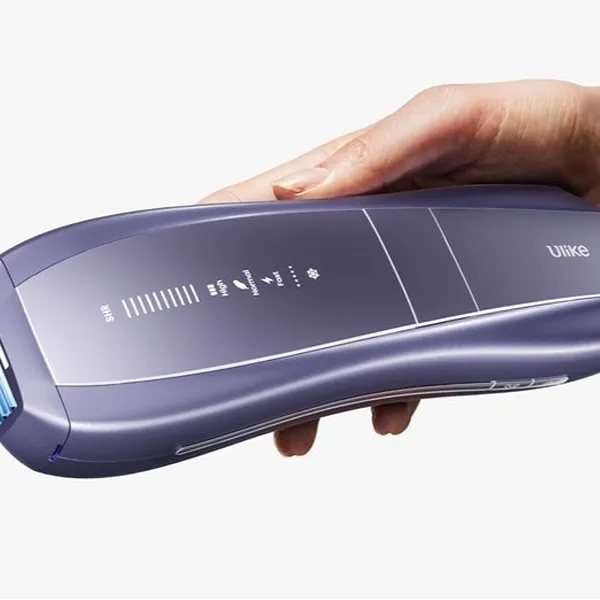
Why skin tone matters for Ulike Air 10
IPL is not only about removing hair; it is about where the light energy goes. The safer and more effective situation is when the hair absorbs most of the light and the surrounding skin absorbs much less. That is why skin tone, hair color, tanning, and treatment area all matter before using Ulike Air 10.
IPL targets pigment in the hair
IPL works by aiming light at melanin in the hair. Dark brown and black hair usually give the device a clear target, so these hair colors tend to respond best over repeated sessions. Very light hair often lacks enough pigment for the light to act on, which is why blonde, red, grey, and white hair are usually poor matches for IPL.
Skin pigment affects light absorption
Your skin also contains melanin. When skin has more pigment, it can absorb more IPL energy at the surface, which may increase the chance of stinging, redness, overheating, or pigment changes. This is the main reason deeper skin tones need stricter compatibility checks instead of simply using the same approach as lighter skin.
Skin and hair contrast affects results
Strong contrast is the easiest IPL scenario: dark hair on fair to medium skin. Lower contrast does not always mean treatment is impossible, but it does mean you should expect more caution, slower results, or a lower safety margin.
- Best match: dark hair that clearly stands out against the skin.
- More cautious match: olive or medium skin with dark hair, especially on sensitive areas.
- Poor match: light hair, very deep skin, recent tanning, or little visible contrast.
Understanding Fitzpatrick skin types for IPL
The Fitzpatrick scale groups skin by how it looks and reacts to sun exposure. It is a helpful starting point for IPL, but it is not the only thing that decides compatibility. Hair color, tanning, sensitivity, and body area can shift the answer.
Types I to III and typical IPL compatibility
Fitzpatrick Types I to III are usually the most straightforward for at-home IPL when the hair is dark. These skin tones have less surface pigment competing with the hair for light absorption, so the device has a wider working margin.
| Type I | Very fair skin that burns easily; usually a strong IPL candidate with dark hair. |
| Type II | Fair skin that may burn before tanning; often compatible with dark hair. |
| Type III | Light to medium skin that may tan gradually; still commonly suitable with proper testing. |
Even in this range, do not skip basics. Shave first, avoid irritated skin, and do not treat over tattoos, dark moles, or broken skin.
Type IV and what to consider
Type IV skin, often olive or light brown, can be a workable IPL range for some users, but it deserves a slower start. The difference between hair pigment and skin pigment may be smaller, especially after sun exposure.
Types V and VI limitations
Types V and VI have the tightest limits with home IPL. Type V may be possible only in some cases if the device allows it, the skin is not tanned, and the hair is dark. Type VI is generally not a good match for broad-spectrum home IPL because the skin may absorb too much energy before the hair can be targeted safely.
- If the sensor blocks flashing: do not try to bypass it.
- If your skin tone is between IV and V: check in natural daylight and test the exact area.
- If you have a history of hyperpigmentation: professional advice is safer than trial and error.
Ulike Air 10 safety features
Ulike Air 10 has features that can make treatment safer and more comfortable, but they do not erase IPL's basic limits. Think of them as support tools: useful when your skin and hair are already suitable, not a way to make every skin tone or situation safe.
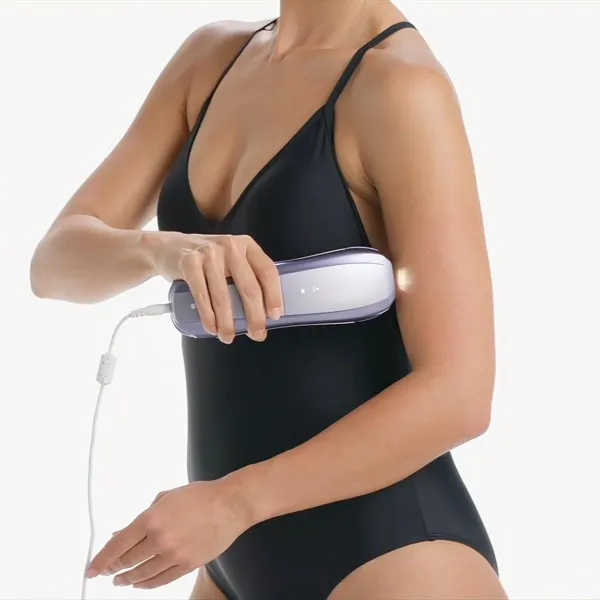
SkinSensor helps check skin compatibility
SkinSensor helps assess whether the skin under the treatment window appears to fall within the device's supported range. This is especially useful because bathroom lighting, uneven pigmentation, and seasonal tanning can make skin look lighter than it really is.
The sensor is not a full medical judgment. It cannot know whether you used self-tanner last week, whether your skin tends to darken after irritation, or whether one area is more reactive than another. Use it alongside a patch test, not instead of one.
Sapphire Ice Cooling improves comfort
Sapphire Ice Cooling can reduce the hot snap feeling that many people associate with IPL. That matters most on areas such as the upper lip, underarms, and bikini line, where the skin may feel more sensitive and the hair is often coarser.
Safe settings still require proper use
The safest routine starts before you press the flash button. Shave the area, make sure skin is clean and dry, remove deodorant or lotion, and avoid waxing or plucking because IPL needs the hair root to remain in place.
- Patch test first: especially on a new area or after tanning.
- Start low: increase only if the skin stays calm.
- Avoid risky spots: tattoos, dark moles, broken skin, and areas close to the eyes.
- Stop for warning signs: strong burning, swelling, blistering, or pigment change.
Can darker skin tones use Ulike Air 10
Some medium and olive skin tones may be able to use Ulike Air 10, but "darker skin" is too broad to be a useful answer. The real question is whether the exact treatment area has enough contrast, whether the device approves the skin, and whether your skin is at its natural baseline color.
Medium and olive skin need extra care
Medium and olive skin users should treat compatibility as area-by-area. Legs may be fine because the skin is flatter and sometimes lighter, while the upper lip, underarms, or bikini line may need more caution because those areas can be darker or more reactive.
Recently tanned skin needs caution
Recently tanned skin is one of the easiest ways to turn a normally acceptable IPL situation into a risky one. A tan adds pigment to the skin, so more light may be absorbed at the surface.
This includes sun tanning, self-tanner, spray tan, bronzing drops, and gradual tanning lotion. If you use IPL year-round, summer may require longer pauses or more patch testing than winter. Waiting until your skin returns to its usual tone is safer than forcing the schedule.
Ulike Air 10 compatibility by treatment area
The same device can feel very different depending on where you use it. Hair thickness, skin color, sensitivity, and the shape of the area all affect how cautious you need to be.
Face and upper lip
Facial use needs extra care because the skin is more exposed to sun and often reacts faster. Ulike Air 10 may be suitable for dark upper-lip or chin hair if your skin tone is within range, but do not treat near the eyes, eyebrows, or eyelids.
Hormone-related facial hair can also be stubborn. If chin or jawline hair keeps returning because of hormonal factors, IPL may reduce maintenance rather than fully solve the problem.
Underarms and bikini line
Underarms are often a good IPL target for compatible users because the hair is usually dark and coarse. The area is small, so it is also easier to cover carefully.
The bikini line needs more precision. Skin there may be naturally darker than nearby leg skin, so do not assume a leg setting is automatically safe. Stay within the device's approved use area and patch test before treating more widely.
Legs and larger areas
Legs are usually the easiest place to start because the skin is flatter and less delicate than the face or bikini area. Work in rows or small sections so you do not miss strips or overlap too much.
Coarse and hormone-related hair
Coarse dark hair often gives IPL a better target, but hormone-related hair can be more persistent. Underarm hair may thin noticeably with consistent use, while chin or neck hair linked to hormonal changes may need ongoing touch-ups.
Conclusion
The safest way to judge Ulike Air 10 is to start with three checks: your natural Fitzpatrick range, whether the hair is dark enough, and whether the exact area is untanned and calm. Lighter skin with dark hair is the clearest fit, medium and olive tones need more testing, and very deep or recently tanned skin is usually where at-home IPL becomes a poor bet. If the sensor rejects an area or your patch test reacts badly, that is a decision already made for you.